The Philippines needs stronger institutions to turn increased investments and major reforms in education, health, social protection, and skills development into higher productivity and sustained economic growth, according to state-run policy think tank Philippine Institute for Development Studies...
While past government reforms have brought the Philippines to upper-middle-income country (UMIC) status, researchers at state-run policy think tank Philippine Institute for Development Studies (PIDS) warned that macroeconomic stability has yet to translate into sustained productivity growth,...
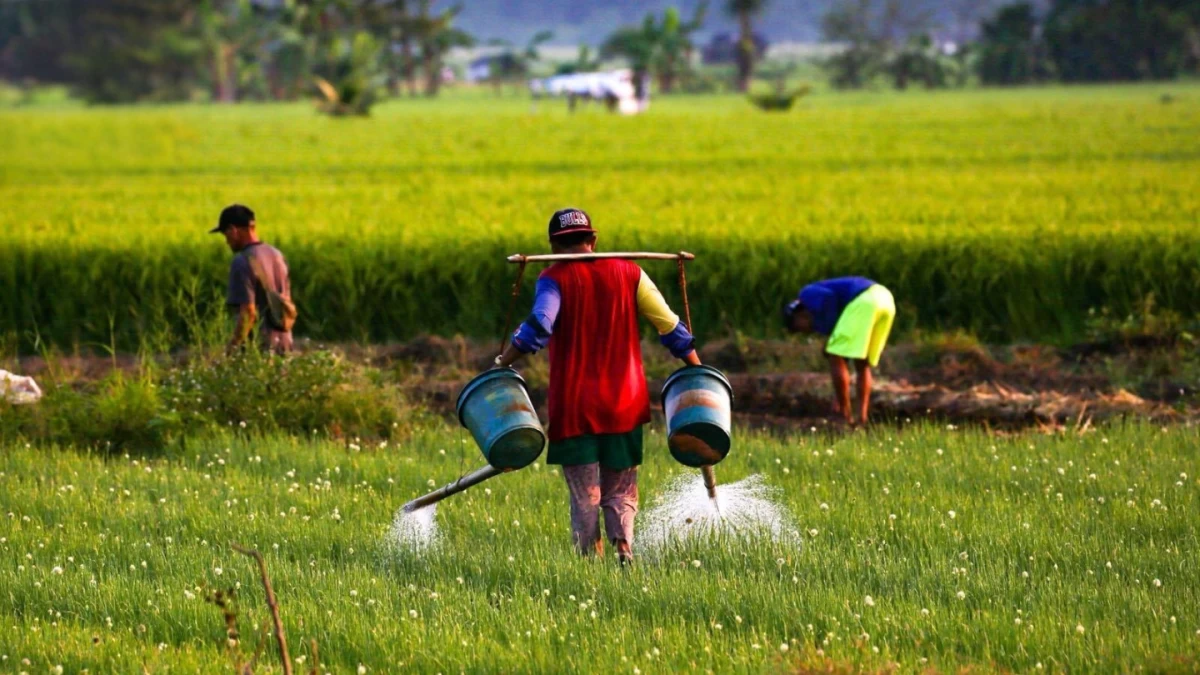
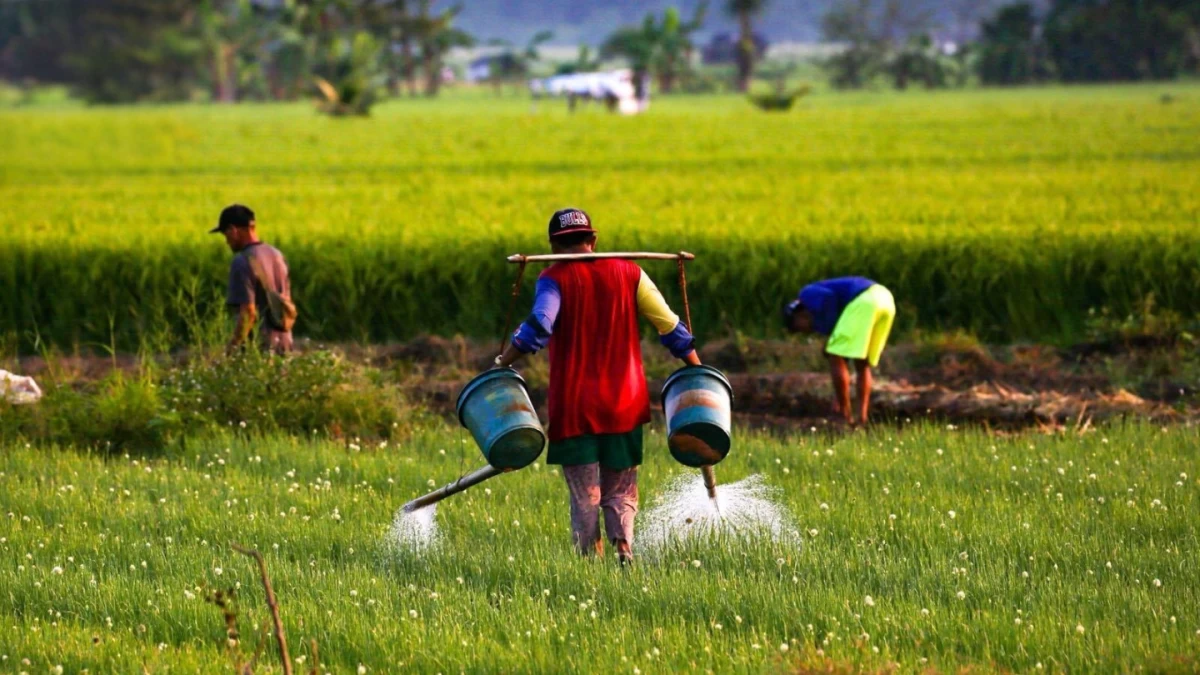
Efforts to climate-proof Philippine agriculture could lift productivity but inadvertently worsen the sector’s carbon footprint unless investments are paired with measures to curb emissions, according to state-run policy think tank Philippine Institute for Development Studies (PIDS). In a...
Having a professional license improves the employment prospects of education graduates in the Philippines, but does not necessarily translate into higher wages unless paired with public-sector employment and jobs aligned with their training, according to state-run policy think tank Philippine...
The Philippines’ relatively low level of trade openness could constrain its ability to build greater economic influence, as a study by state-run think tank Philippine Institute for Development Studies (PIDS) found that deeper integration into global trade is among the factors that could...
Filipino children who experience physical or emotional violence from a parent at age 10 are about half as likely to remain enrolled in school by age 14 as those who are not exposed to such violence, with the impact more pronounced among girls, according to state-run policy think tank Philippine...
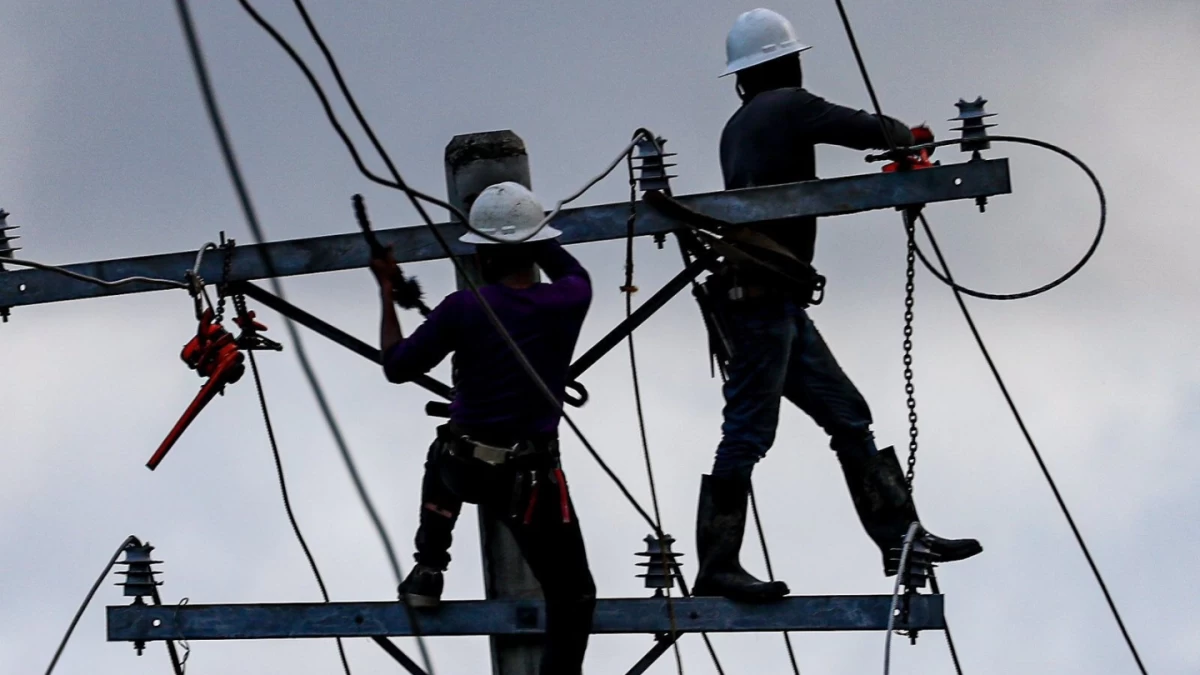
The government should tighten competition safeguards in the country’s power sector as it amends the two-decade-old Electric Power Industry Reform Act (EPIRA) of 2001, with preliminary research showing that the five largest conglomerates control about 85 percent of nationwide installed generation...
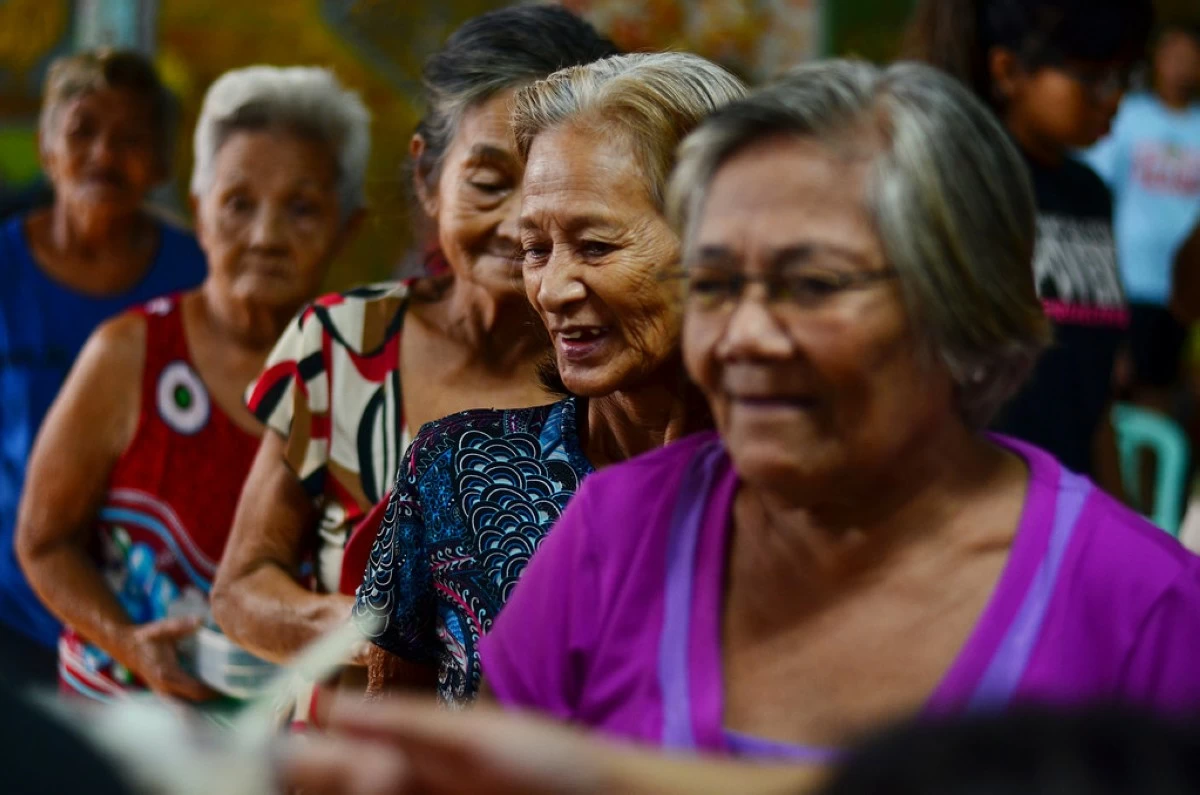
Many older Filipinos remain at risk of falling into poverty despite not being officially classified as poor, highlighting gaps in pension coverage and the need for a broader measure of economic vulnerability, according to state-run policy think tank Philippine Institute for Development Studies...
Despite increased government spending on agriculture and social protection, the Philippines continues to grapple with persistent malnutrition, high food prices, and weak agricultural productivity, underscoring the need for a major overhaul of food security policies, according to state-run policy...
Filipina migrant workers have become indispensable to caring for aging populations across the Asia-Pacific region, but they continue to face gaps in labor protection, employment conditions, and gender equality, according to state-run policy think tank Philippine Institute for Development Studies...
Cities with fully automated business permits and licensing systems (BPLS) posted stronger local business tax (LBT) revenue growth, with only 54 of the 138 Philippine cities studied having fully automated their BPLS, according to state-run policy think tank Philippine Institute for Development...
The Philippine Technology Transfer Act has failed to commercialize publicly funded research and development (R&D) despite 15 years of implementation, leaving technology transfer at a “nascent stage,” according to state-run policy think tank Philippine Institute for Development Studies (PIDS)....