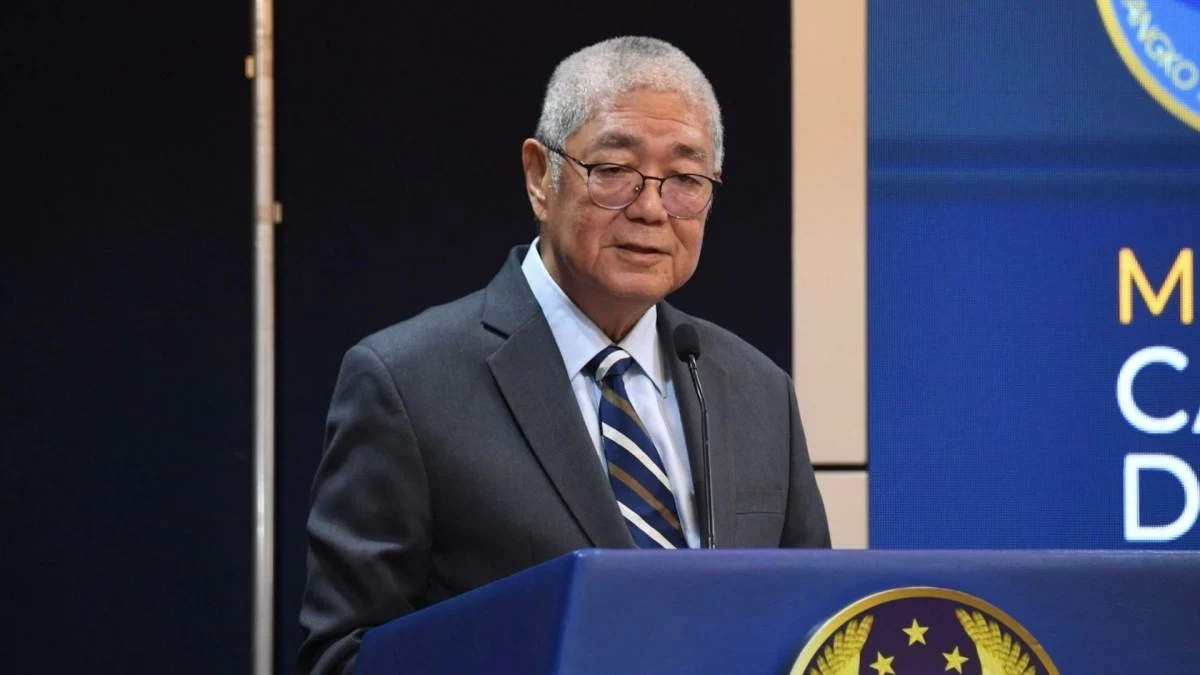
The Philippine economy could weaken further in 2026 as the prolonged war in the Middle East, governance concerns, and El Niño threaten growth while elevated inflation and borrowing costs cloud the outlook, the Department of Economy, Planning, and Development (DEPDev) warned. “The country’s...
A grim word is beginning to circulate in discussions of the Philippine economy: stagflation. Strictly speaking, the country is not there yet. Growth has slowed sharply and inflation remains uncomfortable, but unemployment is not exceptionally high and output continues to expand. A better...
The Philippines recorded the second-largest increase in 10-year government bond yields among selected Asia-Pacific economies since the war in the Middle East began, raising the government’s borrowing costs at a time when the Marcos Jr. administration is relying heavily on domestic debt to finance...
The Bangko Sentral ng Pilipinas (BSP) signaled it remains prepared to adjust monetary policy further as upside risks to inflation accelerate and spillover effects threaten to broaden across the economy. Speaking at a legislative budget briefing on Monday, Aug. 17, BSP Governor Eli M. Remolona Jr....
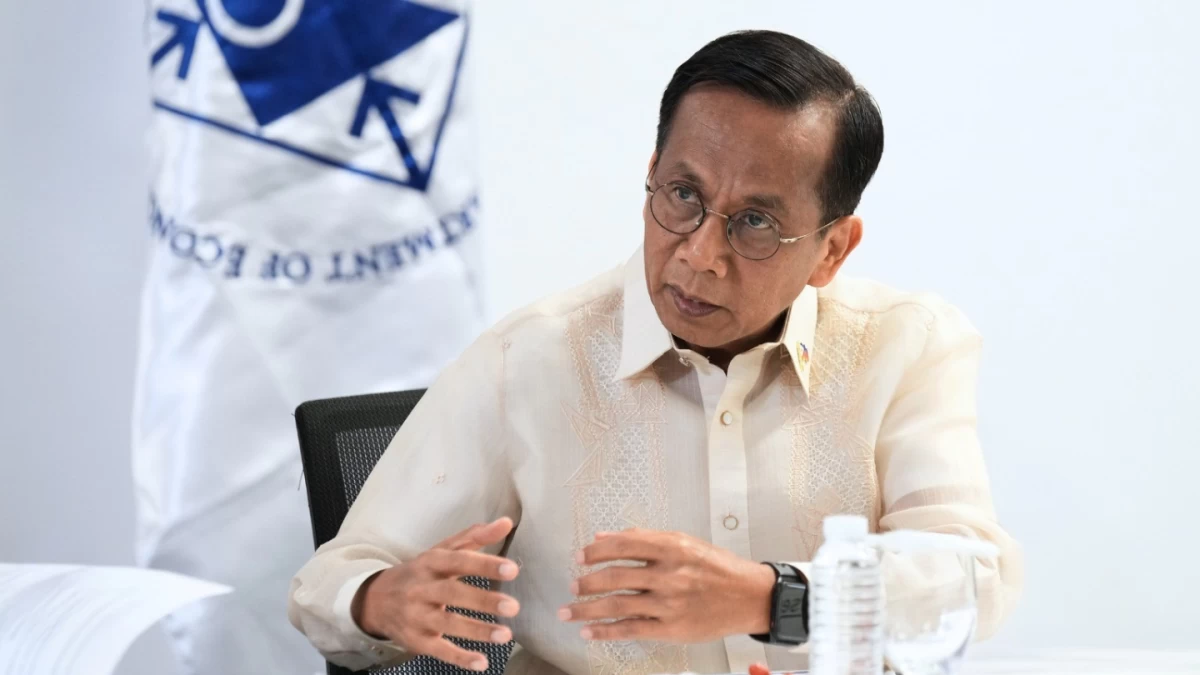
The Philippines must push through political and economic reforms in the final two years of the Marcos Jr. administration to rebuild confidence and strengthen the economy’s growth potential, according to the country’s chief economist. During the Development Budget Coordination Committee (DBCC)...
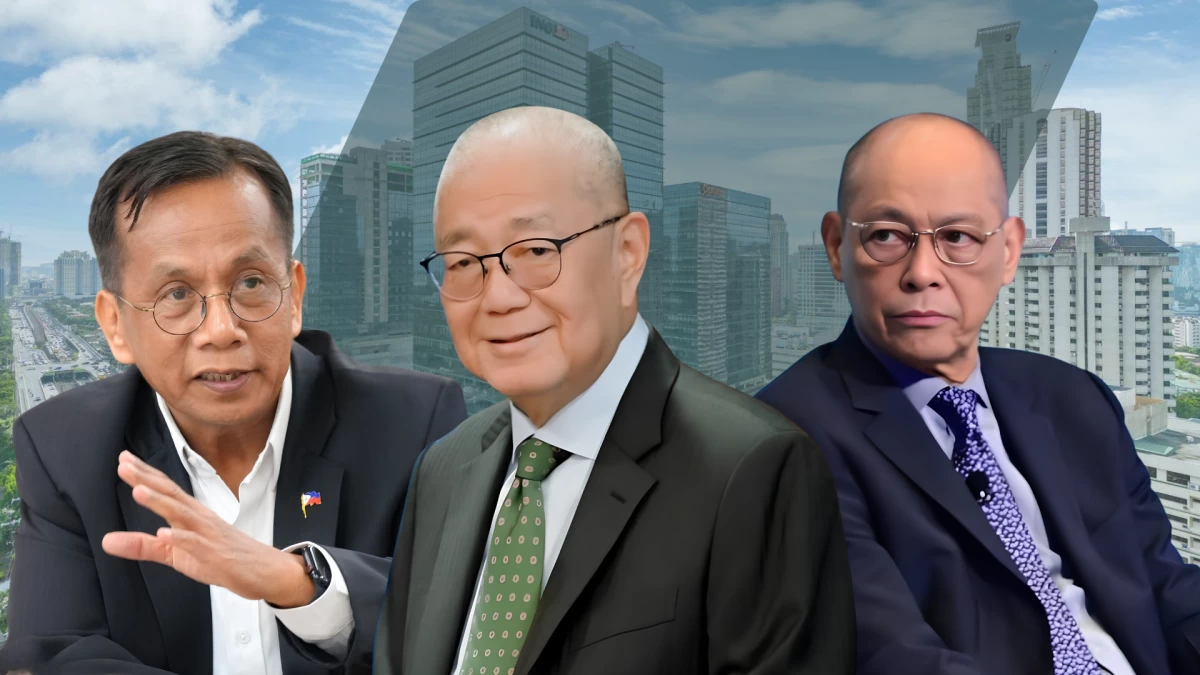
The Philippines remains far from stagflation despite high inflation and sluggish economic growth, members of the Marcos Jr. administration’s economic team said, pushing back against Monetary Board Member (MBM) Benjamin E. Diokno’s characterization of the current situation as “stagflation...
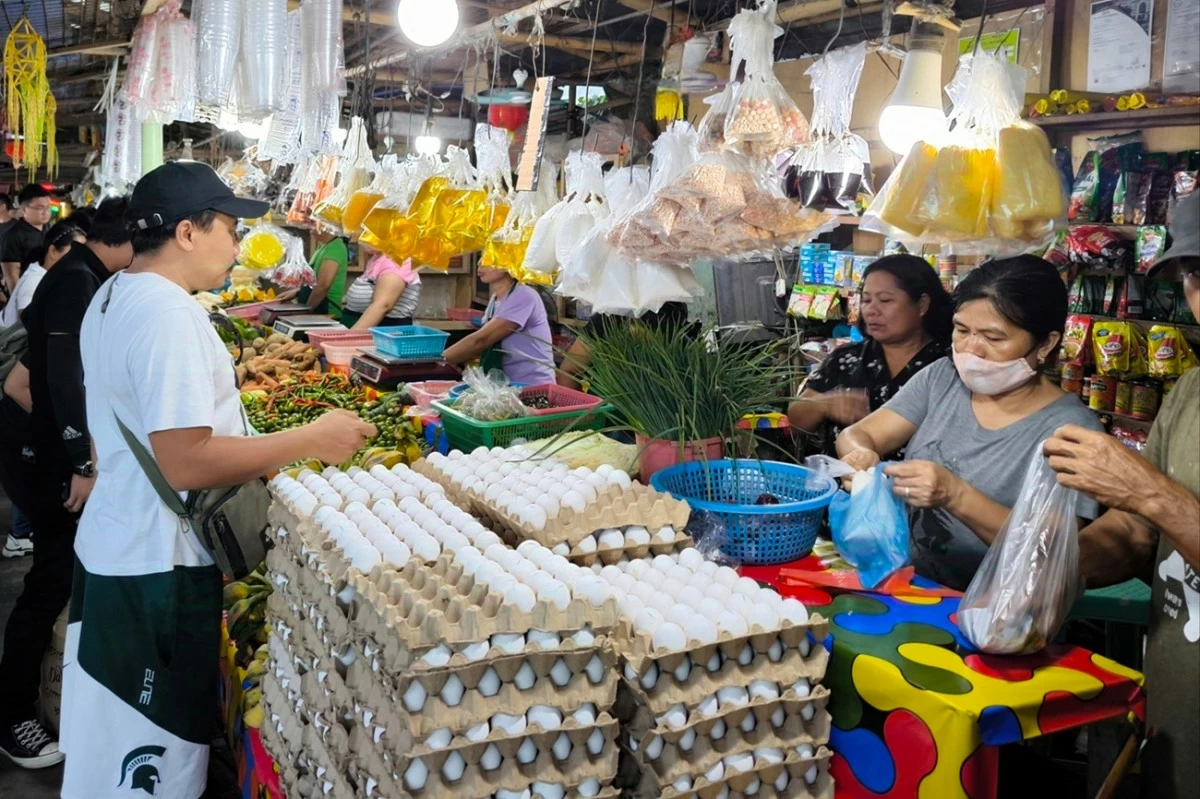
ILOILO CITY—Prices of basic goods and services in Western Visayas region continue to rise when the inflation rate was recorded at 7.8 percent in July 2026. The Philippine Statistics Authority (PSA-6) reported that the region’s inflation rate rose by 1.0 percent last month. In comparison, the...
United Overseas Bank (UOB) is calling for the Bangko Sentral ng Pilipinas (BSP) to raise its key interest rate to five percent at its upcoming policy meeting on Aug. 27, forecasting a final quarter-point increase to counter sticky inflation and support weakening peso. The Singapore-based lender...
Frankfurt-based Deutsche Bank expects the Bangko Sentral ng Pilipinas (BSP) to deliver another interest rate hike at its upcoming Aug. 27 policy meeting, despite slowing headline inflation and underperforming economic growth. In a commentary, Deutsche Bank projected a quarter-point increase this...
Pressure on the Bangko Sentral ng Pilipinas (BSP) to raise its benchmark interest rate has eased after economic growth slowed to a post-pandemic low in the second quarter of the year, according to the central bank officials. Speaking to reporters on the sidelines of the central bank’s...
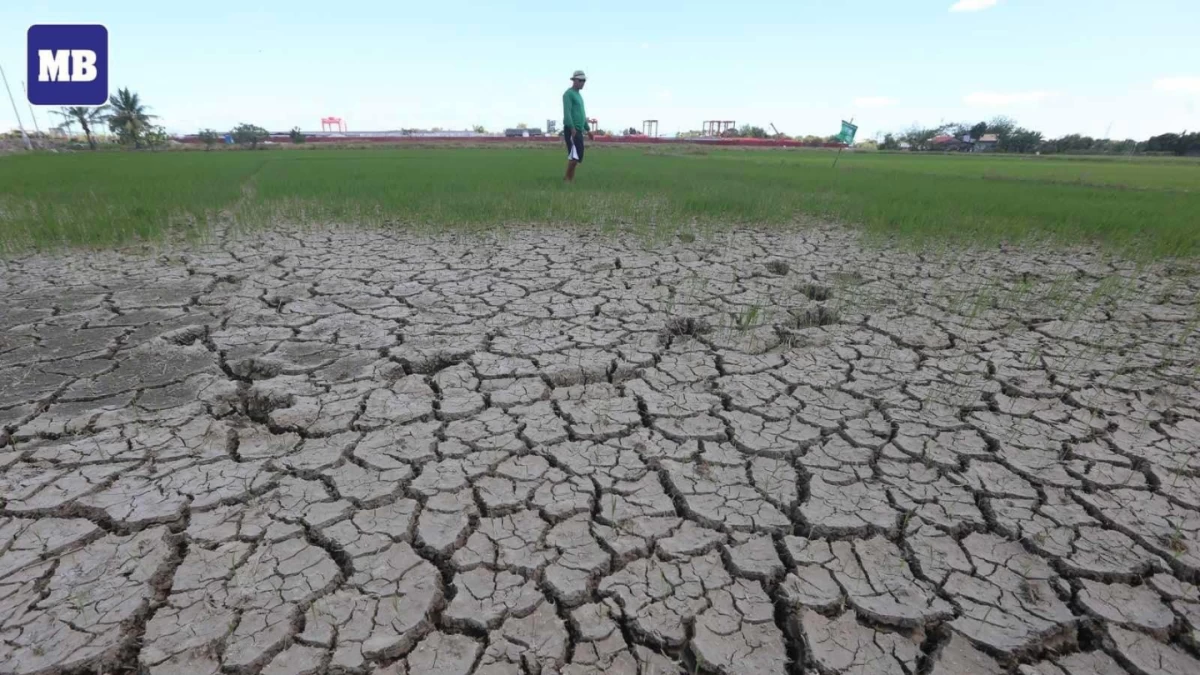
The Philippines faces difficulty bringing inflation back within target as a strengthening El Niño threatens to damage crops and push food prices higher, with the country already posting the highest inflation rate in the region, according to Moody’s Analytics. In an Aug. 7 report, Moody’s...
The Philippine economy faces an uphill battle in the second half of 2026 after posting its weakest post-pandemic growth, with private sector economists warning that faster infrastructure spending, easing inflation, and stronger investor confidence will determine whether the country can meet the...