







Fitch unit warns of growing social unrest in Philippines
By Derco Rosal
Published May 15, 2026 04:30 pm
|
Updated May 15, 2026 03:53 pm


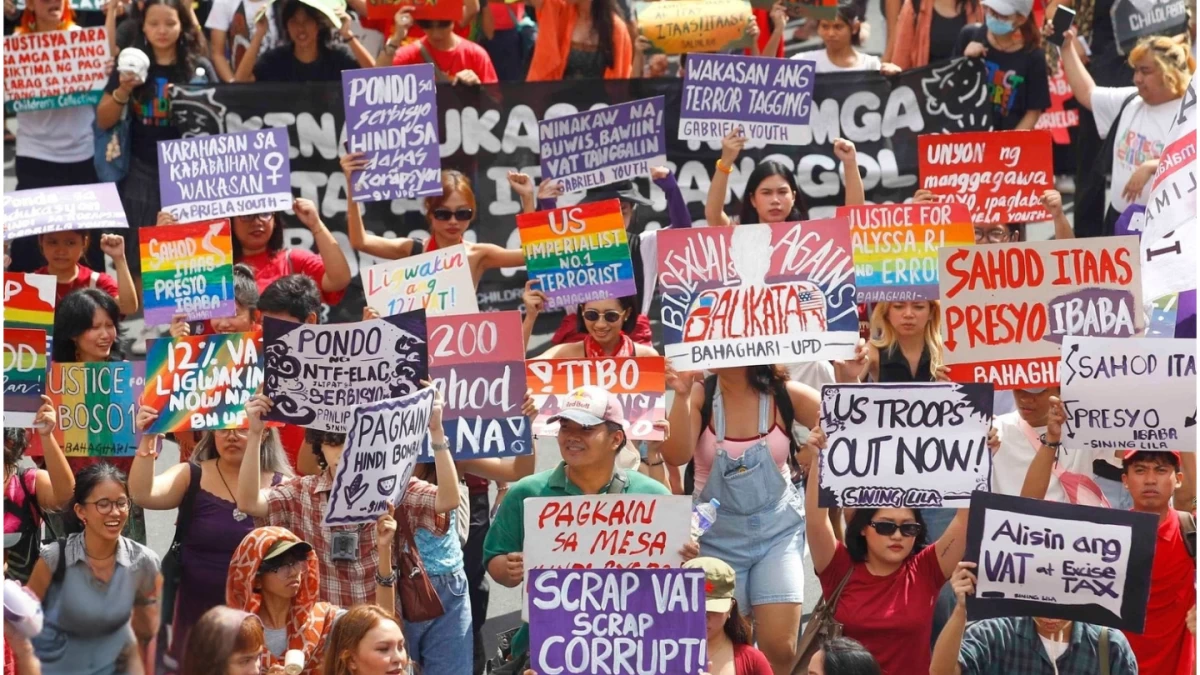
(Photo by Mark Balmores I Manila Bulletin)
The Philippines is facing a deepening cost-of-living crisis and a sharp economic slowdown driven by escalating tensions between the United States (US) and Iran, according to a report by BMI, a unit of Fitch Solutions.
While the government has introduced relief measures, a narrowing fiscal window has fueled public perceptions of inaction. This sentiment, coupled with persistent corruption allegations and political volatility, has left the nation increasingly vulnerable to social unrest.
The economic fallout from the US-Iran conflict has been particularly severe for the energy-dependent nation. The Philippines imports nearly all its crude oil from the Middle East, a region currently crippled by the blockage of the Strait of Hormuz.
BMI characterized the impact on domestic prices as “acute,” noting that headline inflation surged to a three-year high of 7.2 percent in April.
The surge in consumer prices was driven largely by skyrocketing energy costs. Gasoline and diesel prices have climbed 65.3 percent and 58.4 percent, respectively, compared to levels seen before the conflict began.
BMI said these hikes have significantly tightened household budgets and crippled the livelihoods of workers in fuel-intensive sectors, such as transport and logistics.
Despite the declaration of a national energy emergency, the government has found its options limited by a lack of available funds.
BMI noted that policy support remains constrained by limited fiscal space, which has exacerbated frustration over rising fuel costs. This souring sentiment has already manifested in the streets, with transport workers staging multiple strikes since March.
Protests reached a peak during a nationwide Labor Day demonstration, and BMI warned there is a high probability that further unrest will continue.
Political instability is complicating the economic outlook. The House of Representatives recently moved to impeach Vice President Sara Duterte, a move supported by roughly 90 percent of respondents in recent polls.
However, a sudden change in Senate leadership has altered the likelihood of a conviction. A surprise coup installed Senator Alan Peter Cayetano as the new Senate President.
BMI noted that Cayetano is a key ally, and his accession significantly reduces the already narrow path to a conviction in the upper house.
These political tensions are unfolding against an anemic economic backdrop linked to the 2025 flood corruption scandal. Since the scandal was unearthed, gross domestic product growth has averaged just 3.3 percent, a sharp deceleration from the 5.4 percent growth recorded in the first half of 2025.
BMI concluded that the appearance of impropriety and a perceived lack of accountability will likely undermine the credibility of ongoing corruption probes, keeping the country’s political and economic risk profile elevated for the foreseeable future.