De La Salle University (DLSU) economists slashed their 2026 Philippine gross domestic product (GDP) growth forecast to 3.11 percent from 3.79 percent previously, warning that the economy is facing mounting pressure from the Middle East conflict, elevated inflation, and lingering domestic...
The peso’s descent to unprecedented lows is facing a volatile new headwind, with MUFG Bank Ltd. warning that an escalating political feud between the nation’s two most powerful dynasties threatens to upend investor confidence. The Japanese financial institution said that the deepening rift...
The Philippines is facing a deepening cost-of-living crisis and a sharp economic slowdown driven by escalating tensions between the United States (US) and Iran, according to a report by BMI, a unit of Fitch Solutions. While the government has introduced relief measures, a narrowing fiscal window...
Even as the Philippines is seen posting its weakest post-global financial crisis (GFC) growth, think tank Oxford Economics still stands firm on its assumption that local monetary authorities will emerge among the “active hawks” on monetary policy, with jumbo rate hikes looming. Louise Loo, Asia...
Efforts to tame surging consumer prices may come at a steep cost to the Philippine economy, placing the economic team and monetary authorities in the difficult position of containing inflation while grappling with mounting growth pressures. British banking giant Barclays has turned more bearish on...
The Philippines has the youngest population in East Asia, with a median age of 26. In contrast, South Korea is the oldest, with an average age of 46. Although there is hope that South Korea 's demographic crisis might ease—given that its birth rate rose for a second straight year in...
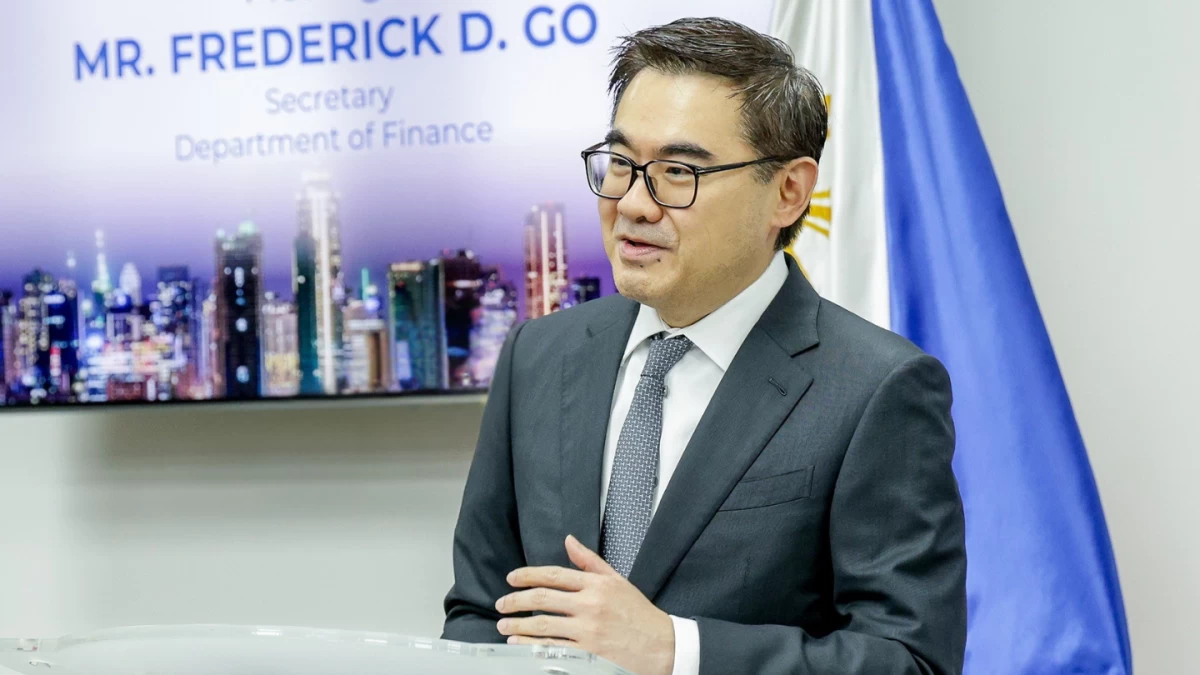
President Marcos’ chief economic manager brushed off concerns over the country’s fiscal position, assuring markets that the government remains financially stable and still has room to borrow further if needed to cushion the economy from energy shocks. This comes against the backdrop of...
Samarkand, UZBEKISTAN — Amid comparisons by some local firms claiming that the ongoing oil crisis triggered by the conflict in the Middle East is hurting their business operations more severely than the Covid-19 pandemic, economists from the Asian Development Bank (ADB) said the broader...
The country’s economic growth slowed to its weakest pace since the height of the Covid-19 pandemic in the first quarter of the year, prompting the government’s top planner to dismiss concerns that the nation is entering a period of stagflation or reverting to its historical status as the...
Public debt in the Philippines moved closer to the 60-percent level at the end of the first quarter of 2026, as the government continued to ramp up borrowings while the private sector remained cautious amid risks stemming from the war in the Middle East. The latest Global Debt Monitor of the...
Signs of stagflation are surfacing in the Philippine economy as it enters the second quarter of 2026, with private sector economists warning of a precarious mix of stalled growth and surging consumer prices. The country’s economic output likely posted only a tepid recovery from the previous...
Businesses have turned more pessimistic about the global economic outlook amid the ongoing United States (US)/Israel war with Iran, according to think tank Oxford Economics. In an April 30 report, Oxford Economics head of macro scenarios Jamie Thompson said the conflict in the Middle East is...