







Barclays cuts Philippine growth outlook amid oil shocks


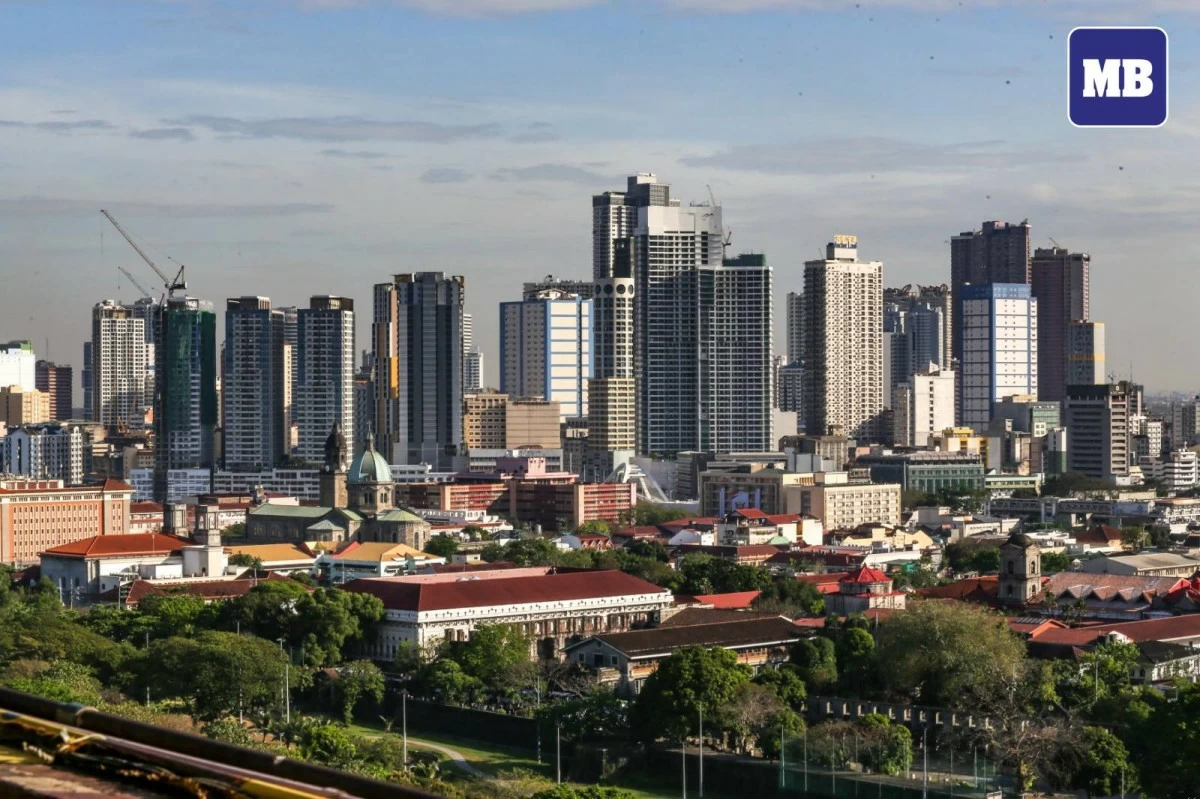
An April 17 report obtained by Manila Bulletin showed Barclays’ latest forecast of just 3.6-percent gross domestic product (GDP) growth for the Philippines in 2026. This is not only lower than last year’s 4.4-percent expansion but also below the government’s downgraded five- to six-percent target.
Prior to the global oil price and supply shocks triggered by the war in the Middle East, Barclays projected 2026 Philippine growth at 4.3 percent, only slightly below the 2025 print, which was affected by tempered public and private consumption as well as weaker confidence in the aftermath of the flood-control infrastructure corruption scandal.
In a separate April 17 report authored by the bank’s Asia team, Barclays cited that the Philippines “stands out as one of the most import dependent economies within EM [emerging markets in] Asia on crude oil, and also one of the most exposed to crude oil supply disruptions via the Strait of Hormuz.”
“Reduced activity measures and fuel price hikes are both likely to weigh on economic activity and inflation, with the transport sector most vulnerable to physical fuel shortages, in our view,” Barclays said.
“Fiscal measures to cushion the impact of fuel price hikes in the form of discounts and suspension of excise taxes are likely to widen the fiscal deficit in 2026,” the bank added.
As such, Barclays said that “the knock-on impact of higher oil prices on the Philippines’ current account balance, fiscal and government debt metrics, and growth trajectory warrants monitoring.”
“The rise in oil prices and supply risks come at a time when the country is already contending with a slowing growth trajectory following slowdowns in public expenditure on scrutiny around allegations of corruption in the government’s flood-control projects, and slowing fiscal consolidation,” it noted.
As Manila Bulletin reported earlier, Barclays expects the Bangko Sentral ng Pilipinas (BSP) to keep key interest rates steady when its policy-making Monetary Board (MB) decides on the monetary policy stance this coming Thursday, April 23.
“We expect ongoing ceasefire and peace talks in the Middle East to raise hopes among policymakers that the surge in global commodity prices could soon reverse, obviating the need for a pivot towards monetary policy tightening,” Barclays said in another April 17 report.
“Thus far, the ceasefire has helped to reduce global crude oil prices—in line with our base case for Brent averaging $85 per barrel—and the risk of extreme shortages. Apart from economies where harsher fuel-conservation measures have been imposed, especially Thailand and the Philippines, this should limit the effects on economic growth,” the bank said.
However, Barclays cautioned that “EM Asia is unlikely to escape at least some lasting economic drags from persistent supply constraints; economic data could remain under pressure for the next quarter or two, at least.”
On monetary policy, Barclays said it doubts the BSP could quickly pivot back to rate cuts, as headline inflation, which rose to a 20-year high of 4.1 percent year-on-year last March, exceeded the BSP’s two– to four-percent target range of annual price increases deemed manageable and supportive to economic growth.
“Conversely, disappointment on a resolution in the peace talks—implying higher global commodity prices for longer—may still not be enough to tilt the BSP into immediate rate hikes, given seeming resistance from the more dovish members of the MB to tighten in the off-cycle meeting held on March 26,” Barclays added.
Barclays expects a 25-basis-point (bp) rate hike to materialize only at the June 18 MB meeting, followed by two 25-bp rate cuts in February and April 2027 once inflationary pressures ease.