The Philippines has sought to restructure disbursement estimates and project targets for a World Bank loan aimed at enhancing teachers’ competencies, as its implementation stalled due to late budget releases and procurement issues. In a Sept. 28 restructuring paper, the World Bank said that since...
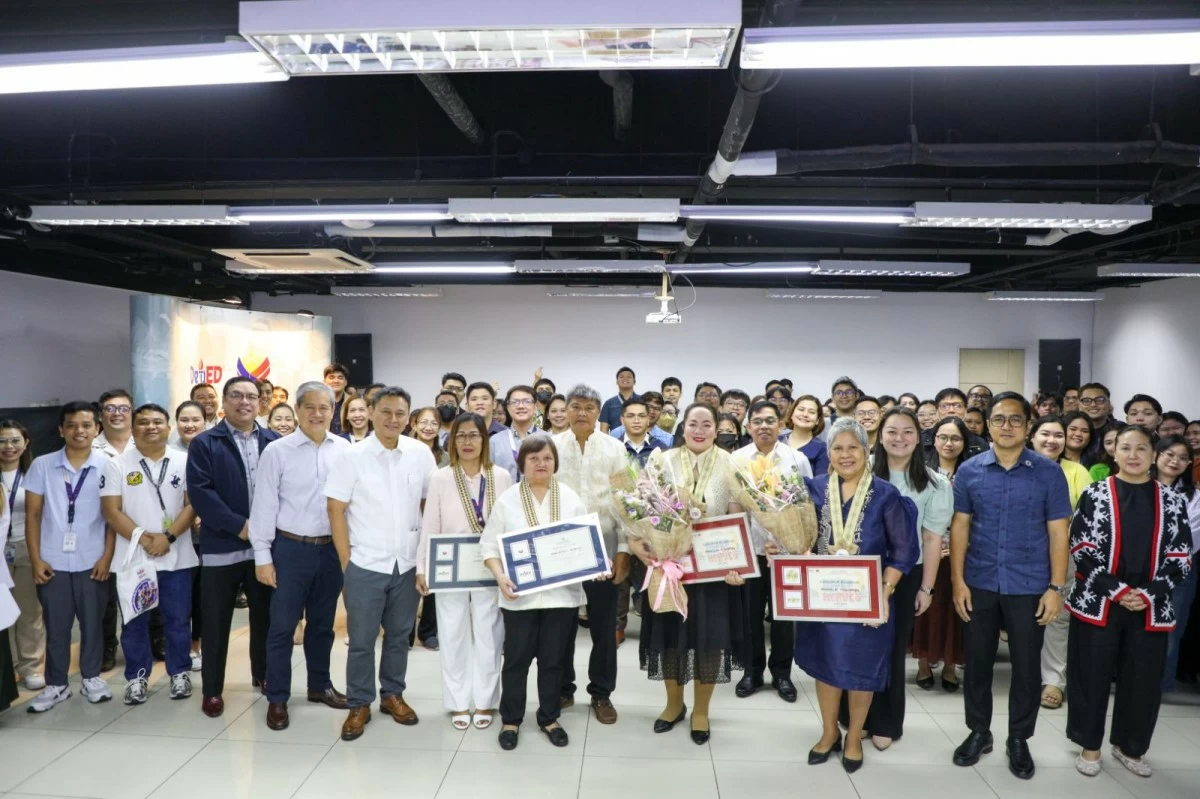
The Department of Education (DepEd) on Monday, September 15, announced two remarkable educators as part of the second batch of its DepEd Heroes Program, a recognition initiative that highlights the courage, dedication, and innovative spirit of public school teachers, personnel, and education...
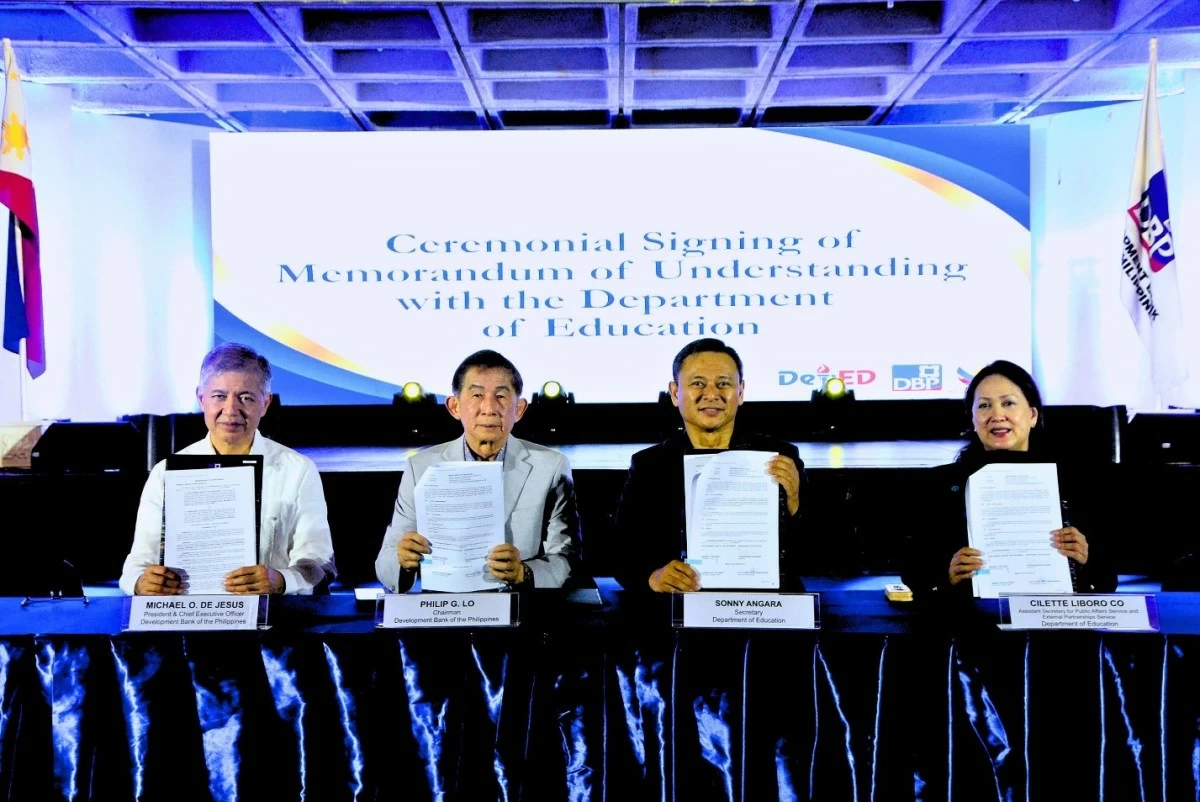
State-owned Development Bank of the Philippines (DBP) has launched a ₱510-million corporate social responsibility (CSR) program designed to strategically allocate resources and promote access to quality education in both the basic and tertiary levels, a top official said. DBP President and Chief...
The attempt to shorten the college curriculum through the proposed Senate Bill, known as the 3CE Act, is a perfect example of the dictum, “If it ain’t broke, don’t fix it.” In fact, there are strong arguments, as seen in the first two articles of this series, to deepen the liberal arts...
The proposed “Three-Year College Education (3CE) Act” is a well-intentioned attempt to fix the mismatch between what the Philippine educational system produces and the actual needs of the job market. This gap is especially obvious in sectors that need technically skilled workers, such as...
State-run think tank Philippine Institute for Development Studies (PIDS) has recommended the inclusion of stricter safeguards for public-private partnership (PPP) projects under a Senate bill (SB) seeking to accelerate classroom construction nationwide. In an Aug. 18 comment on SB No. 121, or the...
A Senate Bill has been introduced by Senator Win Gatchalian that aims to provide a three-year specialization college education in the Philippines, reducing the current required minimum from four years to three. The bill, to be known as the “Three-Year College Education (3CE) Act,” is based on...
The subjects introduced in Grades 4 and 7 mark a transition toward more structured learning in core and applied disciplines. In mathematics, the curriculum emphasizes numeracy, algebraic thinking, and problem-solving using real-life contexts. The use of visual models and manipulatives is also...
Before we continue delving into the ongoing policy debate about what to do with the K to 12 curriculum, it may be useful to study its genesis in the Philippine educational system. Here, I will quote extensively from a detailed historical account prepared by Ms. Clarisse Buday, a social science...
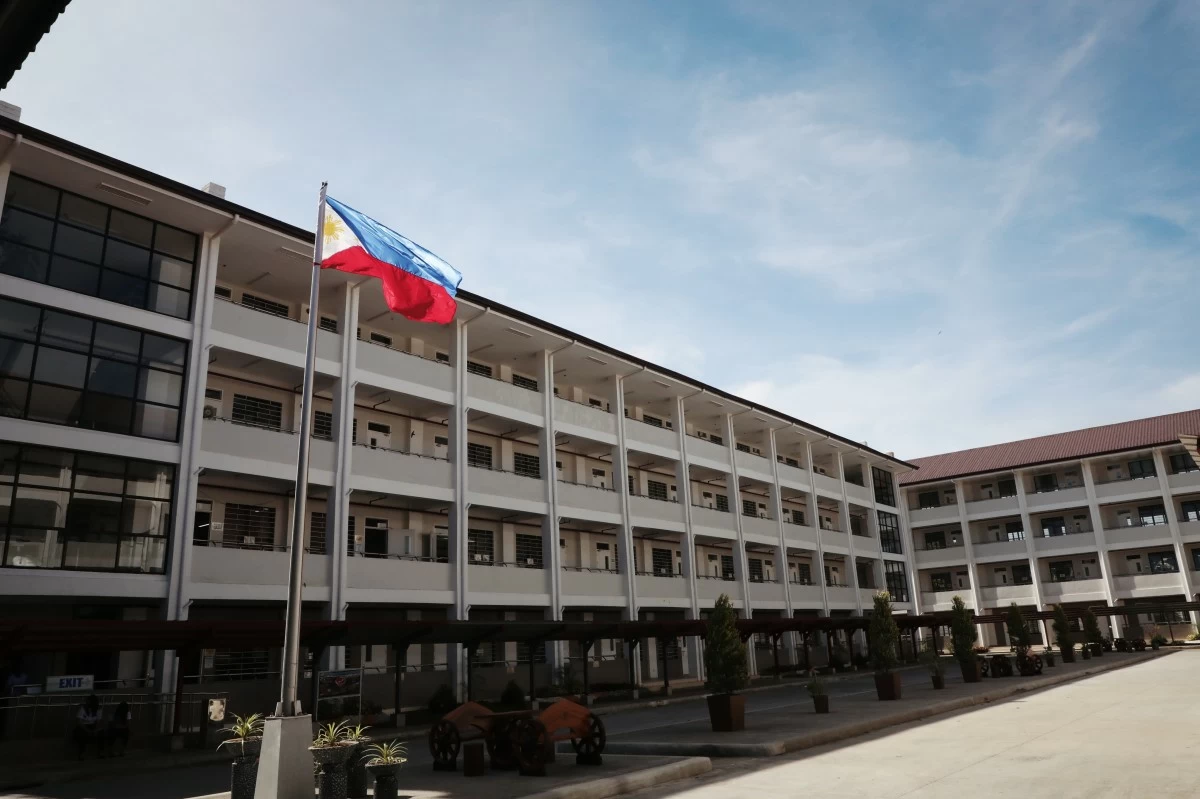
The implementation of a World Bank loan aimed at repairing and rehabilitating disaster-damaged schools in nine regions outside Metro Manila is off to a good start, the Washington-based multilateral lender said. In a July 31 implementation status and results report, the World Bank said the overall...
Two senators have called for urgent and comprehensive reforms in the Philippine education system, urging the 20th Congress to pursue “radical change” through the 2026 education budget, and outlining a seven-point agenda to address the country’s education crisis. In his first privilege speech...
A year into its education reform agenda, the Department of Education (DepEd) has unveiled major accomplishments across early childhood care, teacher welfare, curriculum reform, infrastructure development, and digital innovation. These changes, outlined in a DepEd release on Saturday, July 26, align...