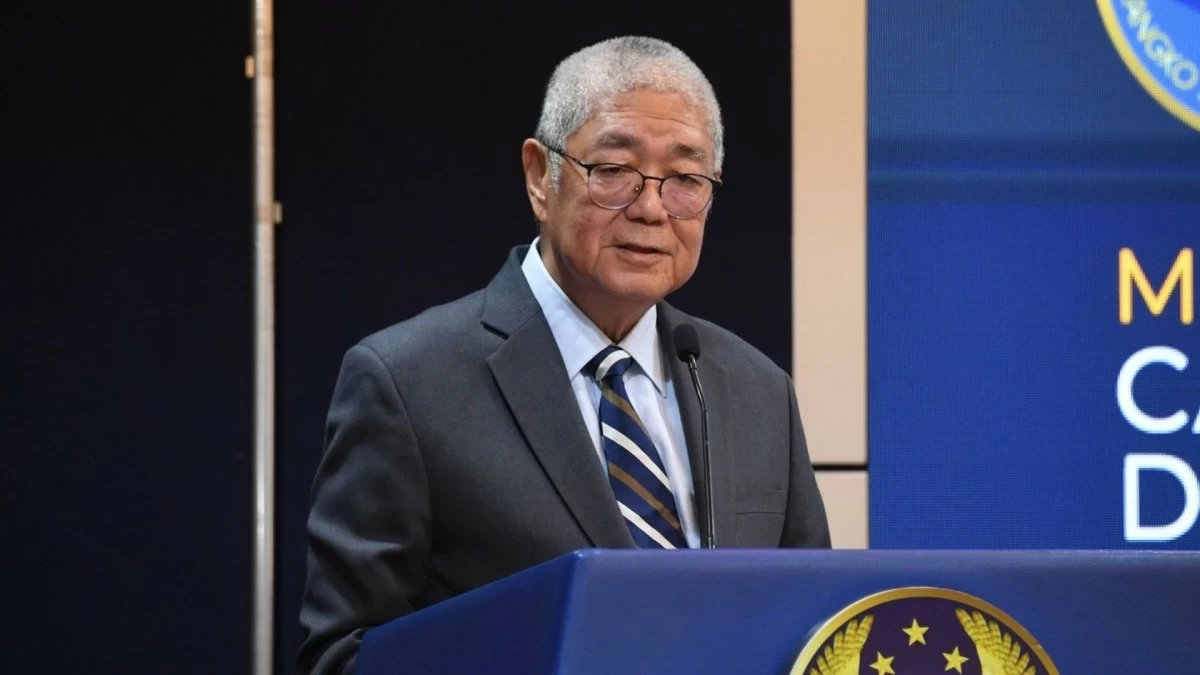
Bangko Sentral ng Pilipinas (BSP) Governor Eli M. Remolona Jr. said the decision to raise the policy rate to five percent on Thursday, Aug. 27, “wasn’t so hard,” while expressing hope that the latest increase would be the last of the current tightening cycle. Remolona told a press briefing...
Stalled wage adjustments may have to wait longer for a rebound in Philippine economic growth after the Singapore-based ASEAN+3 Macroeconomic Research Office (AMRO) lowered its growth forecast for the country below the government’s annual targets. Citing weaker private consumption and muted...
The Philippine economy is headed for a “slow and bumpy” recovery, with growth likely to fall below the government’s target this year after the multibillion-peso flood control corruption scandal and the war in the Middle East dragged economic expansion to a post-pandemic low, according to...
The Philippine economy could weaken further in 2026 as the prolonged war in the Middle East, governance concerns, and El Niño threaten growth while elevated inflation and borrowing costs cloud the outlook, the Department of Economy, Planning, and Development (DEPDev) warned. “The country’s...
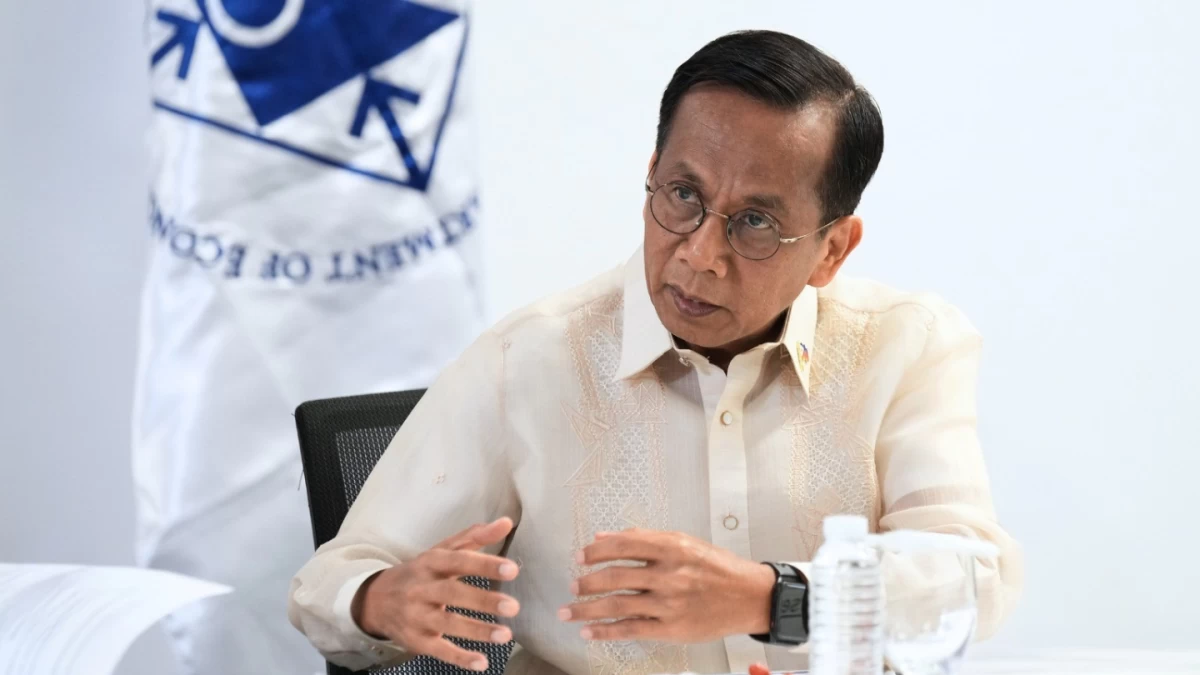
The Philippines must push through political and economic reforms in the final two years of the Marcos Jr. administration to rebuild confidence and strengthen the economy’s growth potential, according to the country’s chief economist. During the Development Budget Coordination Committee (DBCC)...
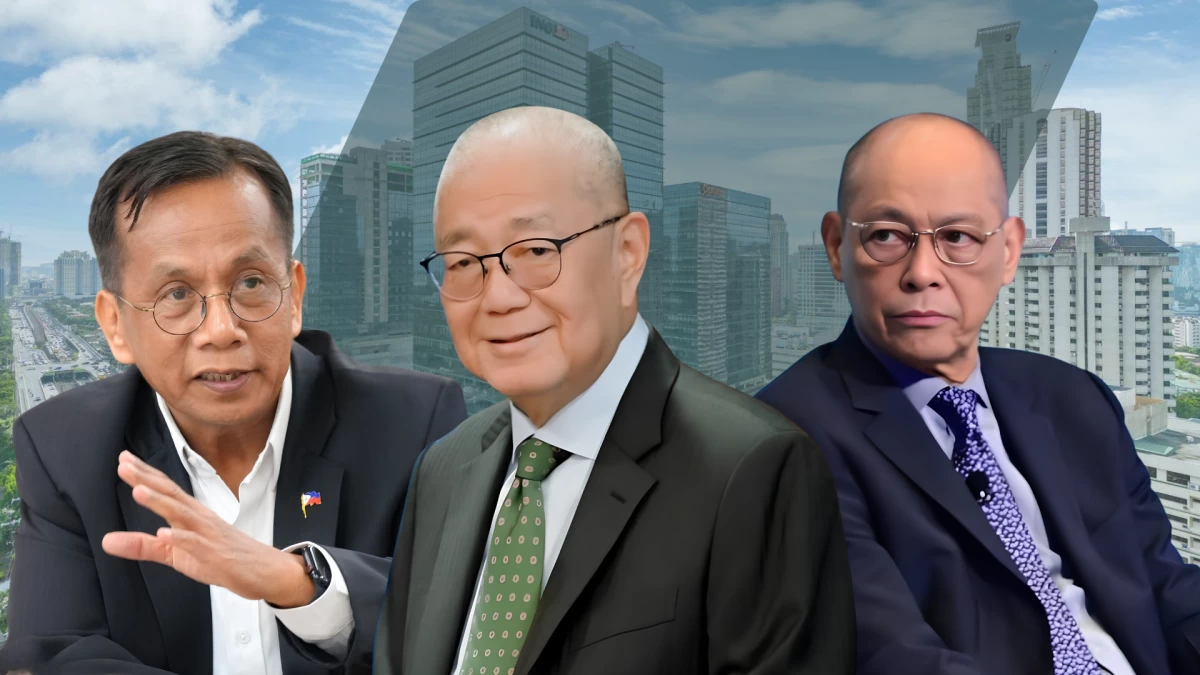
The Philippines remains far from stagflation despite high inflation and sluggish economic growth, members of the Marcos Jr. administration’s economic team said, pushing back against Monetary Board Member (MBM) Benjamin E. Diokno’s characterization of the current situation as “stagflation...
The Philippines is falling behind its neighbors—not because the region is weak, but because domestic politics has become an economic drag. While much of ASEAN continues to post respectable numbers, the Philippines has slowed sharply. Its 2.3 percent growth in the second quarter of 2026 was the...
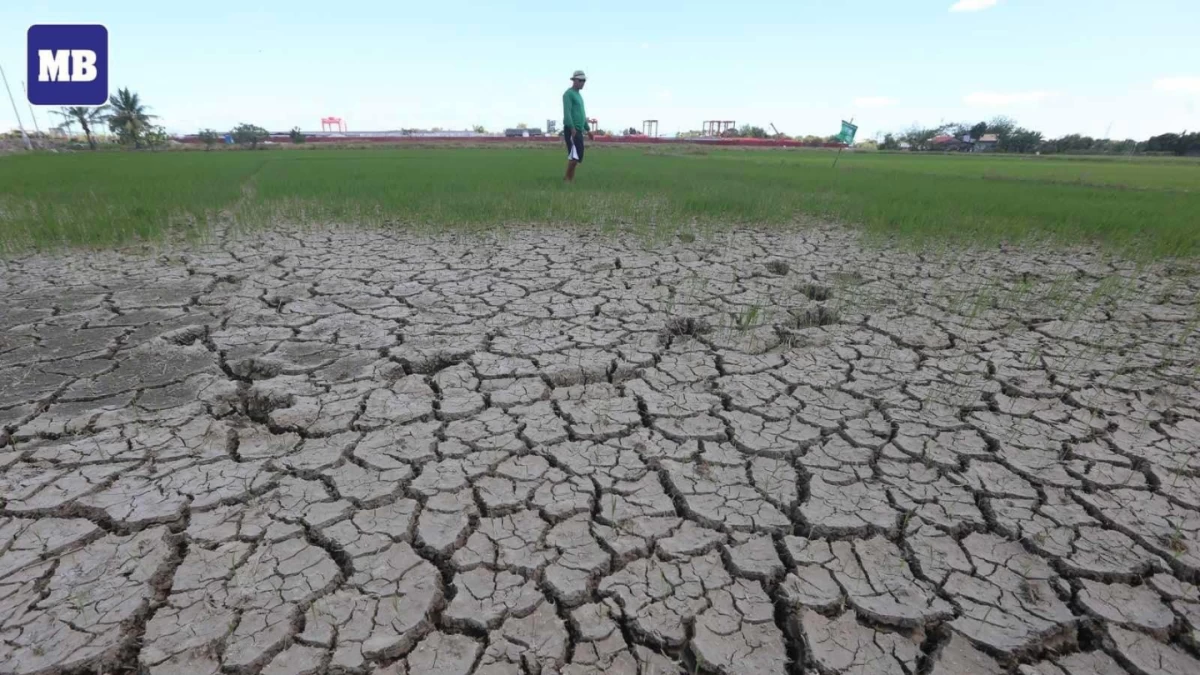
The Philippines faces difficulty bringing inflation back within target as a strengthening El Niño threatens to damage crops and push food prices higher, with the country already posting the highest inflation rate in the region, according to Moody’s Analytics. In an Aug. 7 report, Moody’s...
The Philippine economy faces an uphill battle in the second half of 2026 after posting its weakest post-pandemic growth, with private sector economists warning that faster infrastructure spending, easing inflation, and stronger investor confidence will determine whether the country can meet the...
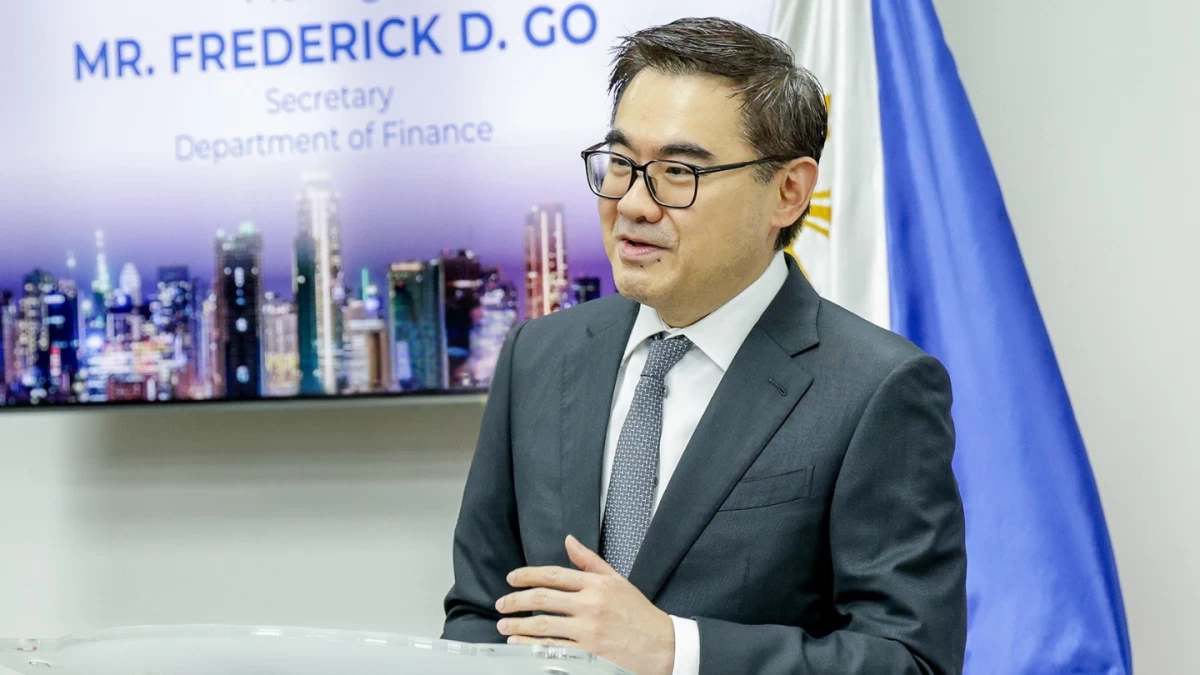
President Marcos retains ample fiscal room to expand government borrowing to support infrastructure and development programs, according to his chief economic manager, brushing off concerns over sovereign debt that has climbed to its highest level relative to economic output in more than two...
Amid both external and domestic challenges, the Philippines’ economic growth weakened further to a new post-pandemic low of 2.3 percent in the second quarter of 2026, the Philippine Statistics Authority (PSA) reported on Friday, Aug. 7. Gross domestic product (GDP) growth slowed from 2.8 percent...
Within days of assuming office on July 1, 2022, the Marcos Jr. administration unveiled an ambitious fiscal consolidation plan: the Medium-Term Fiscal Framework 2022–2028 (MTFF 2022–28). This plan was unprecedented in two respects: it was the first framework of its kind in Philippine history...