The Philippine Economic Zone Authority (PEZA) approved nearly ₱152 billion in investment pledges in the first seven months of the year, driven by the strong performance of the country’s economic zones despite global and local headwinds. In a statement on Friday, July 24, PEZA reported...
The proposed Philippines-United States Pax Silica Economic Security Zone promises to place the country at the forefront of artificial intelligence infrastructure, semiconductor manufacturing, advanced packaging, and strategic minerals processing. If realized responsibly, it could create thousands...
TOKYO (Jiji Press)--Japan 's Defense Ministry said Tuesday it has confirmed that the Chinese navy conducted firing exercises within Japan 's exclusive economic zone on Sunday. It was the first time that the ministry had publicly acknowledged such a drill by the Chinese military in Japan...
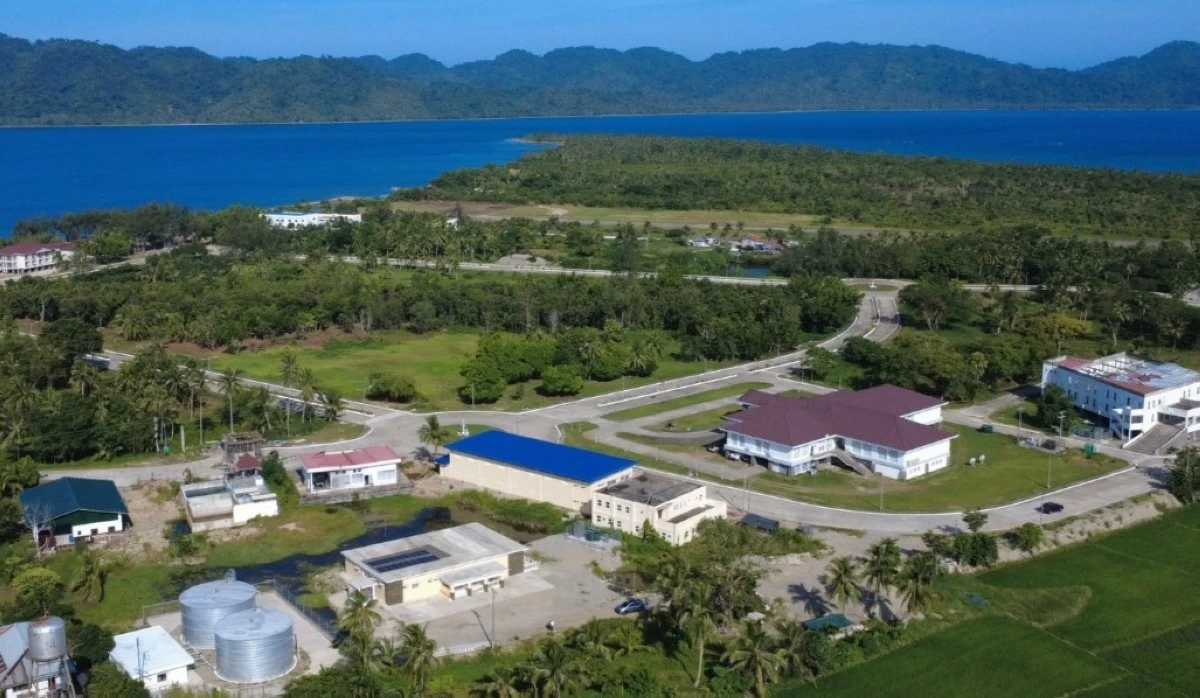
The Aurora Pacific Economic Zone and Freeport Authority (APECO) is in talks with one of the country’s largest power utilities to secure the electricity required to attract investments in data centers. APECO President and Chief Executive Officer (CEO) Gil Taway IV said he is in advanced...
Investments in critical infrastructure projects in the Philippines align directly with the United States ' national security agenda in the Indo-Pacific region, according to the US Trade and Development Agency (USTDA). Speaking at a US House Foreign Affairs Committee hearing last week, USTDA...
Aurora Pacific Economic Zone and Freeport Authority (APECO) is proposing the development of a railway project across Luzon that would provide a direct link between the Casiguran, Aurora province-based ecozone and the Luzon Economic Corridor (LEC). APECO President and Chief Executive Officer (CEO)...
Thailand is looking more closely at the Philippines’ emerging investment landscape, with the Luzon Economic Corridor (LEC) drawing interest as a potential gateway for deeper economic cooperation between the two countries. That was the focus of a recent visit by Thailand’s Ambassador Dr....
Apexford International Corp. signed a registration agreement with the Philippine Economic Zone Authority (PEZA) on Monday, July 6, marking the logistics newcomer’s official entry into the country’s tax-incentivized economic zones. The agreement, signed by PEZA Director General Tereso O. Panga...
The Philippines’ progression to upper-middle income country (UMIC) status must push the government to commit to reforms that improve the ease of doing business in the country and encourage investment inflows, according to the Philippine Economic Zone Authority (PEZA). In a social media post, PEZA...
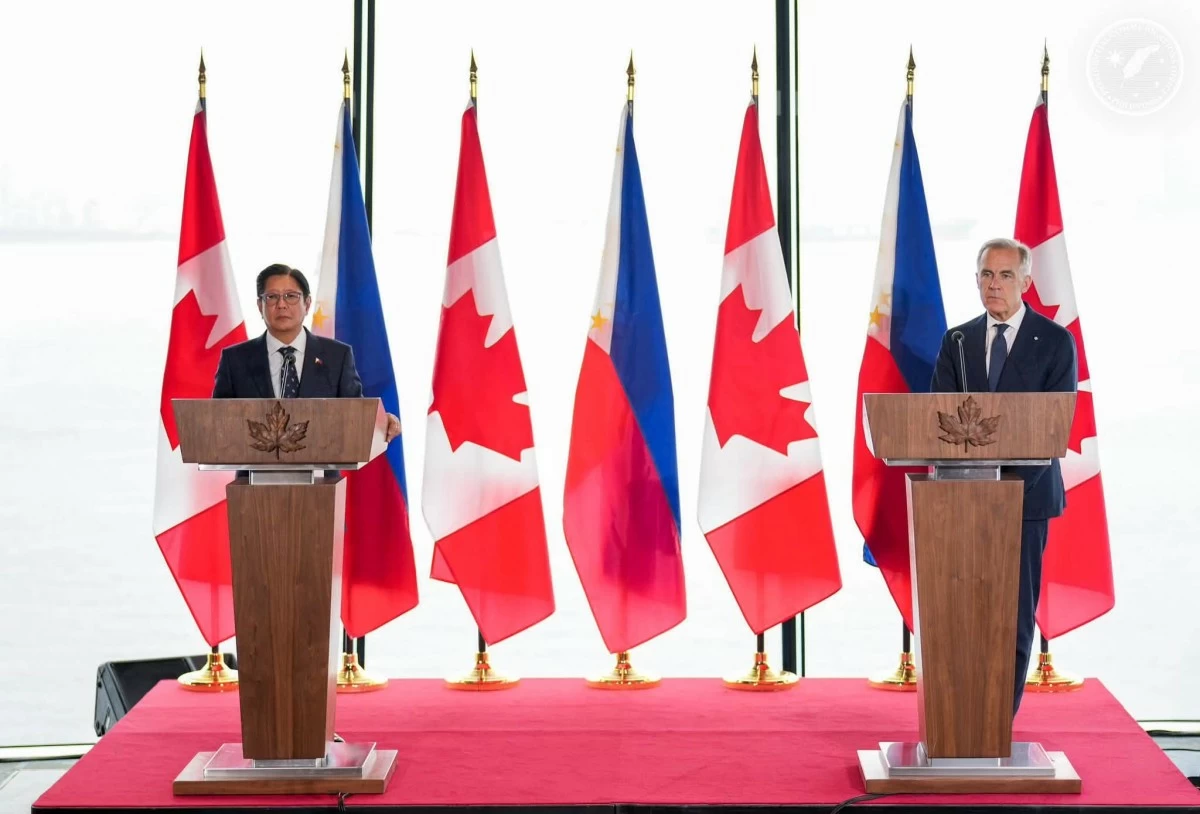
Canada has formally joined the Luzon Economic Corridor (LEC) with an initial investment pledge of CA$2 million, as President Marcos on Sunday, July 5 (Manila time), declared his official visit a success that opened a "new chapter" in Philippines-Canada relations. Speaking before the Philippine...
Business process outsourcing (BPO) firms are increasingly expanding beyond Metro Manila into key provincial cities as rising costs, congestion, and limited office space in the capital reshape the country’s office market as well as commercial real estate landscape, according to property...
Casino operator Hann Philippines Inc. (HPI) has secured government incentives for its flagship Hann Reserve project, backed by an initial investment of at least ₱10 billion, according to the Philippine Economic Zone Authority (PEZA). In a statement on Wednesday, July 1, PEZA said it signed a...