







Peso beats Asian peers as fading oil shock triggers rebound
By Derco Rosal
Published Jul 6, 2026 12:00 am
|
Updated Jul 4, 2026 04:09 pm


At A Glance
- Currency pressures from the global oil shock have dissipated, allowing the Philippine peso to rebound and even outperform other regional currencies, Singapore-based UOB said, which expects the previously battered currency to fare better against the United States (US) dollar thanks to falling oil prices.
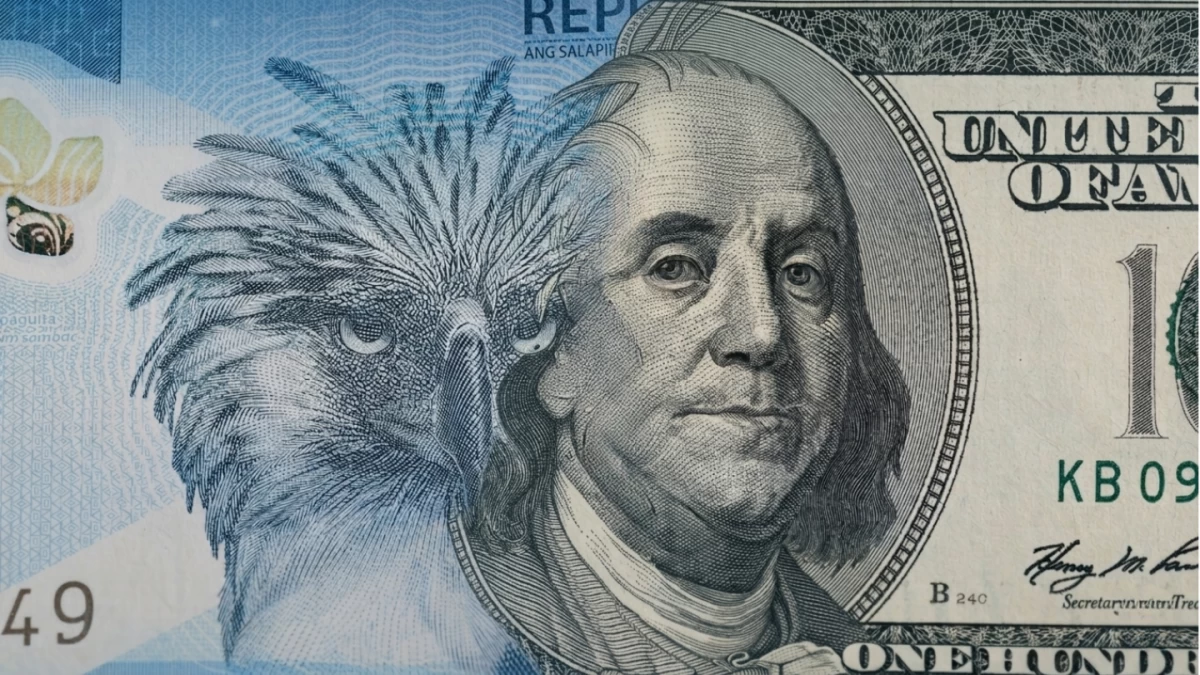
Currency pressures from the global oil shock have dissipated, allowing the Philippine peso to rebound and even outperform other regional currencies, Singapore-based UOB said, which expects the previously battered currency to fare better against the United States (US) dollar thanks to falling oil prices.
“Net energy importers that bore the brunt of the oil shock, such as the peso, Indian rupee, and Thai baht, may see less downside compared to what we had previously projected, now that the oil shock has largely unwound and near-term oil reserves have been built up,” Global Economics & Markets Research wrote in a July 2 report.
It bears noting that the local currency’s resilience comes against the backdrop of regional currencies struggling to gain footing against the greenback.
Data from UOB indicated that the peso was a rare outperformer in June, managing a 0.4 percent gain against the dollar while most Asian peers faced depreciation.
UOB analysts explained that the “latest round of US dollar strength against the Asian currency complex is likely due to increasing fiscal stress exerted on Asian economies by the higher energy prices during the second quarter of 2026.”
Specifically, UOB forecasts the peso to still fall to ₱62.00 per dollar in the third quarter, but recover to ₱61.60 in the fourth quarter. The peso is projected to continue strengthening to ₱61.30 in the first quarter of 2027 and ₱61.00 by the second quarter.
As these energy-related headwinds subside, the focus has shifted toward domestic monetary policy as a primary anchor for the currency. For the Bangko Sentral ng Pilipinas (BSP), UOB expects one “final” quarter-point hike to five percent from the current 4.75 percent.
Coinciding with this outlook, Japanese financial giant MUFG Bank Ltd. also projected a gradual strengthening of the peso over the next year.
MUFG analysts wrote in a July 3 report that the lender maintained a positive medium-term bias for the peso.
“We keep our current baseline forecasts for the US dollar-peso pair to trade between the ₱60.00 and ₱61.50 range, and, net-net, we expect the pair to move lower toward ₱60.00 by the second quarter of 2027 after weighing the balance of risks,” MUFG said.
MUFG attributed this anticipated appreciation to a mix of improving trade dynamics and sustained policy tightening.
“Lower oil prices and, with that, a narrower trade deficit, our expectation for further BSP rate hikes, coupled with some gradual improvement in government spending, should provide support to the peso,” it said.
MUFG remains notably more hawkish than UOB regarding the terminal interest rate, as it continues to see the BSP hiking rates “twice more this year for a total of 50 basis points (bps),” bringing the rate to 5.25 percent by year-end.
However, the peso faces hurdles that could complicate its recovery path. Externally, the shift in leadership at the US Federal Reserve (Fed) remains a major factor in currency volatility. MUFG noted that “the first key uncertainty is to what extent the Fed will turn more hawkish through 2026 under new Fed Chair Kevin Warsh.”
Domestically, MUFG analysts said inflation remains vulnerable to climate-related risks, warning that a possible Super El Niño could push up food prices, especially rice.
“The second key source of uncertainty is a possible Super El Niño event and what that could imply for domestic food prices, including rice,” MUFG said.