

ADVERTISEMENT

PAGASA says Angat Dam unlikely to hit critical level this year despite continued decline

But El Niño may develop soon and persist until early 2027, raising longer-term risks to water supply

Published May 26, 2026 01:03 pm

At A Glance

  • PAGASA projects that the water level at Angat Dam may only decline to around 170 meters by end-June, above the 160-meter critical level.
  • However, a weather specialist warned that a looming El Niño could still threaten water supply next year, particularly during the first quarter.
  • Most climate models indicate that El Niño may develop soon and persist until early 2027.
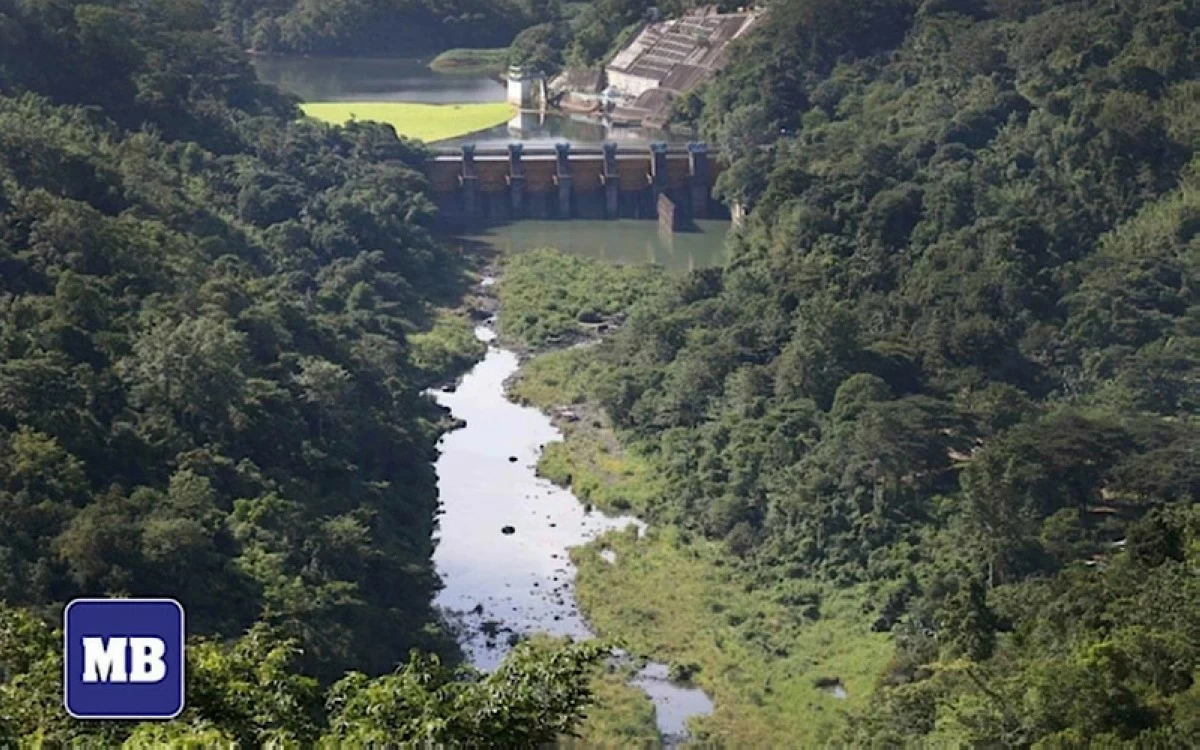
Angat Dam (Manila Bulletin file photo)
The water level in Angat Dam is expected to continue declining until late June but is unlikely to reach the critical level that could trigger domestic water supply shortages this year, according to Philippine Atmospheric, Geophysical and Astronomical Services Administration (PAGASA).
During PAGASA’s climate forum on Tuesday, May 26, weather specialist Jofren Habaluyas said Angat Dam’s water level was at 174.83 meters as of 6 a.m.
The reservoir has been operating below its 180-meter minimum operating level since May 11.
READ MORE:
mb.com.ph/2026/05/11/angat-dam-drops-below-180-meter-minimum-operating-level-pagasa
Habaluyas noted that the reservoir level has steadily declined since the start of May.
“Since May 1, 183.65 meters ‘yung level niya. So bumaba ng almost 8 meters until kahapon, May 25 (Since May 1, its level was 183.65 meters. So it dropped by almost 8 meters until yesterday, May 25),” he said.
He said only limited rainfall had been recorded over the Angat watershed this month, mostly during the week of May 9 to May 17. PAGASA recorded 121.35 millimeters of rainfall from May 1 to May 25.
Habaluyas explained that Angat Dam typically experiences a declining trend from January until the latter part of June before recovering during the rainy season and eventually nearing its normal high water level of 210 meters.
“Based sa aming analysis, based on the data that we have, di naman natin nakikita na bababa pa ang Angat [water level] below the 160 level. Ito kasi yung critical level ng Angat kung saan possible na magkaroon tayo ng shortages for domestic water supply (Based on our analysis and available data, we do not see Angat’s water level going below 160 meters. This is the critical level where shortages in domestic water supply may occur),” he added.
He said PAGASA projects the water level may only decline to around 170 meters or slightly below, instead of reaching the critical threshold observed during low-water events in 2010 and 2019.
“So we're expecting na maka-recover ang Angat by mid-July until the level continuously increase hanggang sa dulo ng taon (We’re expecting Angat to recover by mid-July, with the water level continuing to increase until the end of the year),” Habaluyas said.
However, he warned that the effects of a developing El Niño could still threaten water supply conditions next year, particularly during the first quarter.
‘Very strong’ El Niño
Meanwhile, PAGASA weather specialist Joey Figuracion said ENSO-neutral conditions continue to prevail over the tropical Pacific, but most climate models indicate that El Niño may develop “soon.”
“Majority of climate models suggest that El Niño will emerge soon, with a 92 percent probability during the June-July-August season, and may persist until early 2027,” Figuracion said.
He said the looming El Niño is initially expected to be weak before intensifying into a strong event by the September-October-November season, with increasing chances of reaching “very strong” levels by November-December-January.
“Stronger events do not always mean bigger weather and climate impacts, but stronger events can make it more likely that certain impacts could occur,” Figuracion explained.
According to Figuracion, the developing El Niño could bring enhanced southwest monsoon or “habagat” rains over the western sections of Luzon and Visayas from June to September 2026, potentially triggering heavy rainfall events.
He also said the country may experience fewer tropical cyclones during the latter part of the year, although storms that do form could reach typhoon or even super typhoon intensity.
Dry conditions and dry spells are also expected to begin by November, while prolonged dry spells and droughts may become highly likely in the early part of 2027 if El Niño persists.
Figuracion added that a lingering El Niño could also result in warmer conditions during the country’s warm and dry season next year.
READ MORE: 
mb.com.ph/2026/04/24/el-nino-to-bring-wetter-habagat-season

Related Tags

PAGASA ANGAT DAM EL NIÑO HABAGAT
ADVERTISEMENT
.most-popular .layout-ratio{ padding-bottom: 79.13%; } @media (min-width: 768px) and (max-width: 1024px) { .widget-title { font-size: 15px !important; } }

{{ articles_filter_1561_widget.title }}

.most-popular .layout-ratio{ padding-bottom: 79.13%; } @media (min-width: 768px) and (max-width: 1024px) { .widget-title { font-size: 15px !important; } }

{{ articles_filter_1562_widget.title }}

.most-popular .layout-ratio{ padding-bottom: 79.13%; } @media (min-width: 768px) and (max-width: 1024px) { .widget-title { font-size: 15px !important; } }

{{ articles_filter_1563_widget.title }}

{{ articles_filter_1564_widget.title }}

.mb-article-details { position: relative; } .mb-article-details .article-body-preview, .mb-article-details .article-body-summary{ font-size: 17px; line-height: 30px; font-family: "Libre Caslon Text", serif; color: #000; } .mb-article-details .article-body-preview iframe , .mb-article-details .article-body-summary iframe{ width: 100%; margin: auto; } .read-more-background { background: linear-gradient(180deg, color(display-p3 1.000 1.000 1.000 / 0) 13.75%, color(display-p3 1.000 1.000 1.000 / 0.8) 30.79%, color(display-p3 1.000 1.000 1.000) 72.5%); position: absolute; height: 200px; width: 100%; bottom: 0; display: flex; justify-content: center; align-items: center; padding: 0; } .read-more-background a{ color: #000; } .read-more-btn { padding: 17px 45px; font-family: Inter; font-weight: 700; font-size: 18px; line-height: 16px; text-align: center; vertical-align: middle; border: 1px solid black; background-color: white; } .hidden { display: none; }
function initializeAllSwipers() { // Get all hidden inputs with cms_article_id document.querySelectorAll('[id^="cms_article_id_"]').forEach(function (input) { const cmsArticleId = input.value; const articleSelector = '#article-' + cmsArticleId + ' .body_images'; const swiperElement = document.querySelector(articleSelector); if (swiperElement && !swiperElement.classList.contains('swiper-initialized')) { new Swiper(articleSelector, { loop: true, pagination: false, navigation: { nextEl: '#article-' + cmsArticleId + ' .swiper-button-next', prevEl: '#article-' + cmsArticleId + ' .swiper-button-prev', }, }); } }); } setTimeout(initializeAllSwipers, 3000); const intersectionObserver = new IntersectionObserver( (entries) => { entries.forEach((entry) => { if (entry.isIntersecting) { const newUrl = entry.target.getAttribute("data-url"); if (newUrl) { history.pushState(null, null, newUrl); let article = entry.target; // Extract metadata const author = article.querySelector('.author-section').textContent.replace('By', '').trim(); const section = article.querySelector('.section-info ').textContent.replace(' ', ' '); const title = article.querySelector('.article-title h1').textContent; // Parse URL for Chartbeat path format const parsedUrl = new URL(newUrl, window.location.origin); const cleanUrl = parsedUrl.host + parsedUrl.pathname; // Update Chartbeat configuration if (typeof window._sf_async_config !== 'undefined') { window._sf_async_config.path = cleanUrl; window._sf_async_config.sections = section; window._sf_async_config.authors = author; } // Track virtual page view with Chartbeat if (typeof pSUPERFLY !== 'undefined' && typeof pSUPERFLY.virtualPage === 'function') { try { pSUPERFLY.virtualPage({ path: cleanUrl, title: title, sections: section, authors: author }); } catch (error) { console.error('ping error', error); } } // Optional: Update document title if (title && title !== document.title) { document.title = title; } } } }); }, { threshold: 0.1 } ); function showArticleBody(button) { const article = button.closest("article"); const summary = article.querySelector(".article-body-summary"); const body = article.querySelector(".article-body-preview"); const readMoreSection = article.querySelector(".read-more-background"); // Hide summary and read-more section summary.style.display = "none"; readMoreSection.style.display = "none"; // Show the full article body body.classList.remove("hidden"); } document.addEventListener("DOMContentLoaded", () => { let loadCount = 0; // Track how many times articles are loaded const offset = [1, 2, 3, 4, 5, 6, 7, 8, 9, 10]; // Offset values const currentUrl = window.location.pathname.substring(1); let isLoading = false; // Prevent multiple calls if (!currentUrl) { console.log("Current URL is invalid."); return; } const sentinel = document.getElementById("load-more-sentinel"); if (!sentinel) { console.log("Sentinel element not found."); return; } function isSentinelVisible() { const rect = sentinel.getBoundingClientRect(); return ( rect.top < window.innerHeight && rect.bottom >= 0 ); } function onScroll() { if (isLoading) return; if (isSentinelVisible()) { if (loadCount >= offset.length) { console.log("Maximum load attempts reached."); window.removeEventListener("scroll", onScroll); return; } isLoading = true; const currentOffset = offset[loadCount]; window.loadMoreItems().then(() => { let article = document.querySelector('#widget_1690 > div:nth-last-of-type(2) article'); intersectionObserver.observe(article) loadCount++; }).catch(error => { console.error("Error loading more items:", error); }).finally(() => { isLoading = false; }); } } window.addEventListener("scroll", onScroll); });

Sign up by email to receive news.