ADVERTISEMENT

El Niño to bring wetter 'habagat' season

Published Apr 24, 2026 03:27 pm
Pixabay photo
Pixabay photo
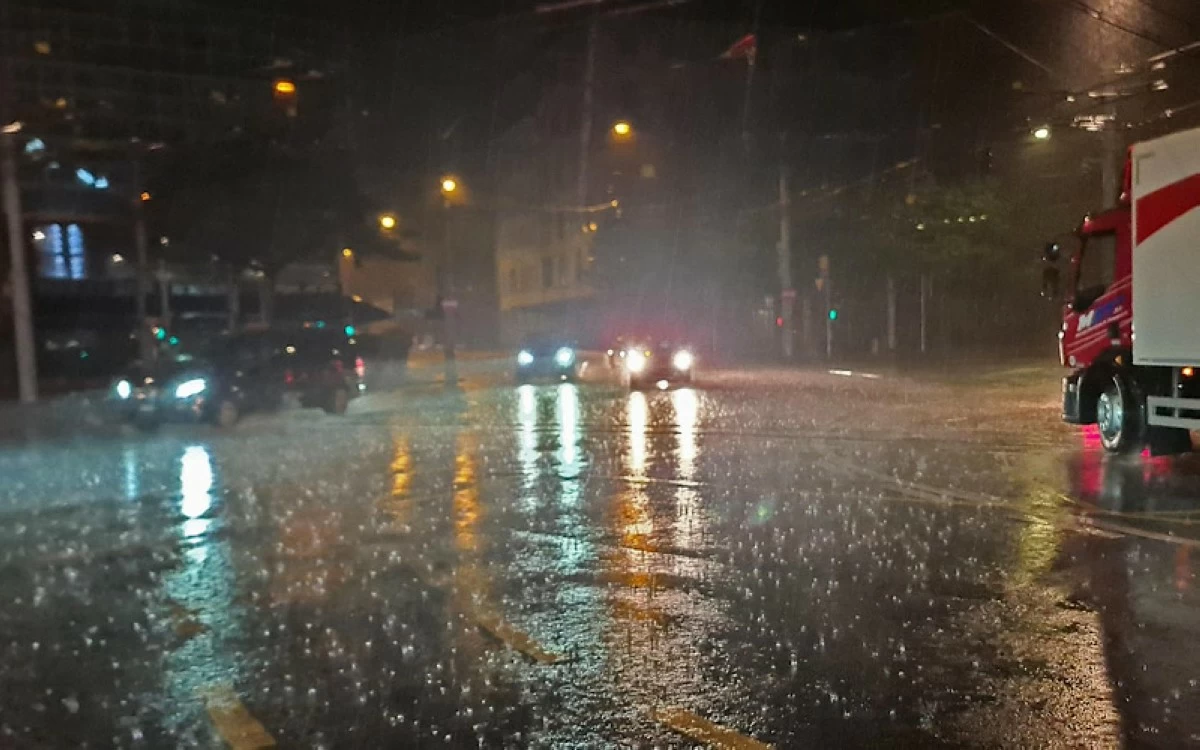
The southwest monsoon or “habagat” may become more active under El Niño conditions, leading to above-normal rainfall in parts of the country, Philippine Atmospheric, Geophysical and Astronomical Services Administration (PAGASA) Climate Monitoring and Prediction Section chief Ana Liza Solis said.
The habagat typically sets in between May 16 and June 15 and lasts until September.
“We need to emphasize that the first effect of El Niño is the enhanced southwest monsoon season. So it is possible that areas in the western section of the country may be affected, particularly Western Luzon, parts of the Mimaropa region, and Panay Island,” Solis said in Filipino in a televised public briefing on Friday, April 24.
“When El Niño develops during the southwest monsoon season, we usually experience an enhanced habagat season, or what we call heavy rainfall events,” she added.
PAGASA on April 22 raised its El Niño–Southern Oscillation (ENSO) Alert and Warning System to El Niño Alert, the second-highest of a three-tier classification system, signaling an increased likelihood of El Niño development in the next two to three months, or from June to August.
READ MORE: 
https://mb.com.ph/2026/04/22/pagasa-raises-el-nino-alert-as-likelihood-of-development-climbs-to-79-as-early-as-june
Solis said this early phase of El Niño may still influence rainfall patterns, even if the phenomenon is generally associated with below-normal rainfall and drier conditions in many areas.
“So there may be heavy rainfall or combined effects from a tropical cyclone,” she said.
“After the habagat, these same areas are also likely to be among the first to experience dry spells and drought,” she added.
She also noted that tropical cyclones, particularly in the latter part of the year, tend to be stronger.
“Usually, during the September to November season, that is when tropical cyclones make landfall or cross the country. Whether El Niño is weak, moderate, or strong, we tend to experience more typhoon and super typhoon categories, although the number of cyclones may be fewer,” she explained.
Solis said that based on current forecasts, El Niño could begin as a weak event by midyear before strengthening in the succeeding months.
“As of now, our forecast is that it could start as a weak El Niño in June, July, or August. It could become a moderate to strong El Niño around September, October, or November,” she said.
She added that some models still indicate the possibility of a “strong to very strong” event, although there is no full consensus among forecasters.
Solis explained that under such a scenario, dry conditions may persist longer than usual, potentially extending into 2027.
She pointed out that recent climate conditions showed how extreme heat can intensify during El Niño events.
“If we look back at 2023 and 2024, we experienced many record-breaking high temperatures and high heat index,” she said.
Preparations underway
Solis said government agencies have begun coordinating early to mitigate the potential impacts of El Niño across key sectors, including agriculture, water, energy, and health.
She said PAGASA is working closely with the Department of Agriculture on intervention measures, including El Niño action plans and climate adaptation programs.
In the water sector, regular meetings are being conducted to monitor supply, particularly in major reservoirs such as Angat Dam, and to prepare mitigation measures for dams and watersheds.
Coordination is also ongoing with the Department of Energy and Department of Health as part of broader preparations under Task Force El Niño.
Solis also advised the public to take precautions against heat-related illnesses and conserve water amid the risk of prolonged dry conditions.
“We need to follow expert advice, especially in preventing heat-related illnesses such as heat cramps, heat exhaustion, and heat stroke,” she said.
“We need to continue monitoring updates from PAGASA and ensure that we rely on accurate information,” she added.

Related Tags

PAGASA HABAGAT EL NIÑO SOUTHWEST MONSOON ANALIZA SOLIS
ADVERTISEMENT
.most-popular .layout-ratio{ padding-bottom: 79.13%; } @media (min-width: 768px) and (max-width: 1024px) { .widget-title { font-size: 15px !important; } }

{{ articles_filter_1561_widget.title }}

.most-popular .layout-ratio{ padding-bottom: 79.13%; } @media (min-width: 768px) and (max-width: 1024px) { .widget-title { font-size: 15px !important; } }

{{ articles_filter_1562_widget.title }}

.most-popular .layout-ratio{ padding-bottom: 79.13%; } @media (min-width: 768px) and (max-width: 1024px) { .widget-title { font-size: 15px !important; } }

{{ articles_filter_1563_widget.title }}

{{ articles_filter_1564_widget.title }}

.mb-article-details { position: relative; } .mb-article-details .article-body-preview, .mb-article-details .article-body-summary{ font-size: 17px; line-height: 30px; font-family: "Libre Caslon Text", serif; color: #000; } .mb-article-details .article-body-preview iframe , .mb-article-details .article-body-summary iframe{ width: 100%; margin: auto; } .read-more-background { background: linear-gradient(180deg, color(display-p3 1.000 1.000 1.000 / 0) 13.75%, color(display-p3 1.000 1.000 1.000 / 0.8) 30.79%, color(display-p3 1.000 1.000 1.000) 72.5%); position: absolute; height: 200px; width: 100%; bottom: 0; display: flex; justify-content: center; align-items: center; padding: 0; } .read-more-background a{ color: #000; } .read-more-btn { padding: 17px 45px; font-family: Inter; font-weight: 700; font-size: 18px; line-height: 16px; text-align: center; vertical-align: middle; border: 1px solid black; background-color: white; } .hidden { display: none; }
function initializeAllSwipers() { // Get all hidden inputs with cms_article_id document.querySelectorAll('[id^="cms_article_id_"]').forEach(function (input) { const cmsArticleId = input.value; const articleSelector = '#article-' + cmsArticleId + ' .body_images'; const swiperElement = document.querySelector(articleSelector); if (swiperElement && !swiperElement.classList.contains('swiper-initialized')) { new Swiper(articleSelector, { loop: true, pagination: false, navigation: { nextEl: '#article-' + cmsArticleId + ' .swiper-button-next', prevEl: '#article-' + cmsArticleId + ' .swiper-button-prev', }, }); } }); } setTimeout(initializeAllSwipers, 3000); const intersectionObserver = new IntersectionObserver( (entries) => { entries.forEach((entry) => { if (entry.isIntersecting) { const newUrl = entry.target.getAttribute("data-url"); if (newUrl) { history.pushState(null, null, newUrl); let article = entry.target; // Extract metadata const author = article.querySelector('.author-section').textContent.replace('By', '').trim(); const section = article.querySelector('.section-info ').textContent.replace(' ', ' '); const title = article.querySelector('.article-title h1').textContent; // Parse URL for Chartbeat path format const parsedUrl = new URL(newUrl, window.location.origin); const cleanUrl = parsedUrl.host + parsedUrl.pathname; // Update Chartbeat configuration if (typeof window._sf_async_config !== 'undefined') { window._sf_async_config.path = cleanUrl; window._sf_async_config.sections = section; window._sf_async_config.authors = author; } // Track virtual page view with Chartbeat if (typeof pSUPERFLY !== 'undefined' && typeof pSUPERFLY.virtualPage === 'function') { try { pSUPERFLY.virtualPage({ path: cleanUrl, title: title, sections: section, authors: author }); } catch (error) { console.error('ping error', error); } } // Optional: Update document title if (title && title !== document.title) { document.title = title; } } } }); }, { threshold: 0.1 } ); function showArticleBody(button) { const article = button.closest("article"); const summary = article.querySelector(".article-body-summary"); const body = article.querySelector(".article-body-preview"); const readMoreSection = article.querySelector(".read-more-background"); // Hide summary and read-more section summary.style.display = "none"; readMoreSection.style.display = "none"; // Show the full article body body.classList.remove("hidden"); } document.addEventListener("DOMContentLoaded", () => { let loadCount = 0; // Track how many times articles are loaded const offset = [1, 2, 3, 4, 5, 6, 7, 8, 9, 10]; // Offset values const currentUrl = window.location.pathname.substring(1); let isLoading = false; // Prevent multiple calls if (!currentUrl) { console.log("Current URL is invalid."); return; } const sentinel = document.getElementById("load-more-sentinel"); if (!sentinel) { console.log("Sentinel element not found."); return; } function isSentinelVisible() { const rect = sentinel.getBoundingClientRect(); return ( rect.top < window.innerHeight && rect.bottom >= 0 ); } function onScroll() { if (isLoading) return; if (isSentinelVisible()) { if (loadCount >= offset.length) { console.log("Maximum load attempts reached."); window.removeEventListener("scroll", onScroll); return; } isLoading = true; const currentOffset = offset[loadCount]; window.loadMoreItems().then(() => { let article = document.querySelector('#widget_1690 > div:nth-last-of-type(2) article'); intersectionObserver.observe(article) loadCount++; }).catch(error => { console.error("Error loading more items:", error); }).finally(() => { isLoading = false; }); } } window.addEventListener("scroll", onScroll); });

Sign up by email to receive news.