

ADVERTISEMENT

Water at Angat Dam drops below 180-meter minimum operating level — PAGASA

Published May 11, 2026 11:54 am  |  Updated May 11, 2026 06:45 pm

At A Glance

  • PAGASA said no significant rainfall is expected in the next two weeks that could help raise the dam's water level.
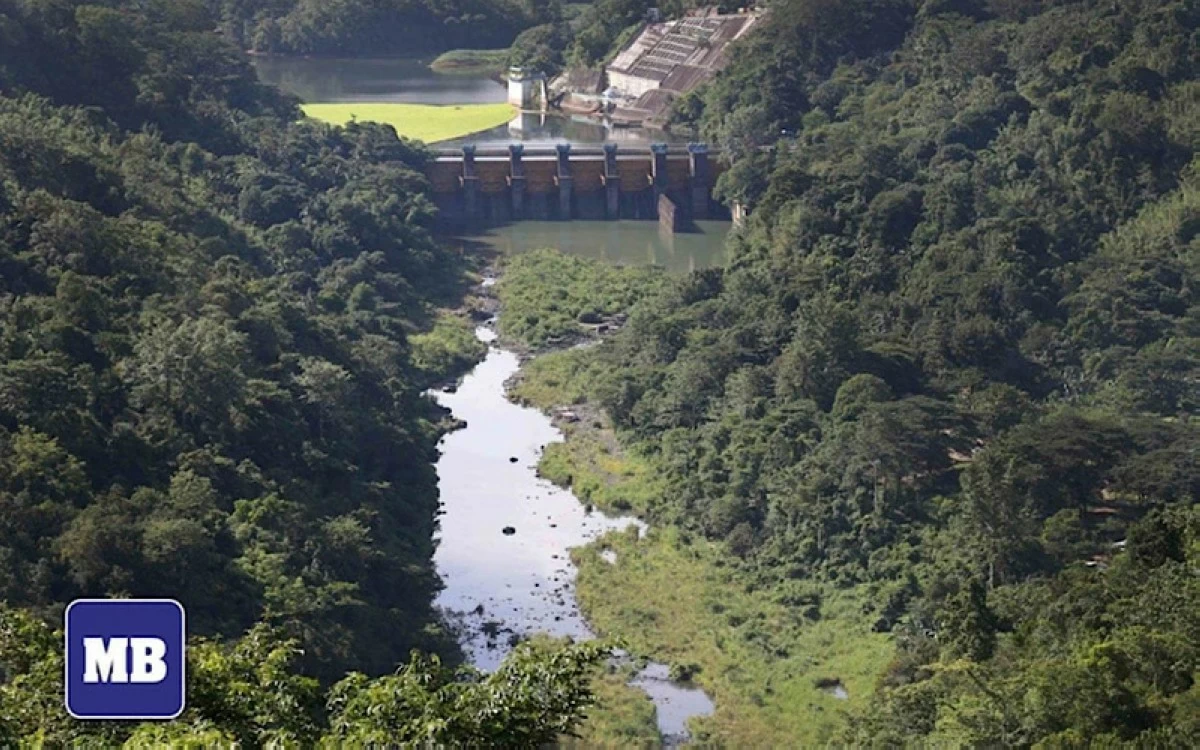
Angat Dam (Manila Bulletin file photo)
The water level at Angat Dam in Norzagaray, Bulacan fell below its 180-meter minimum operating level on Monday, May 11 as the reservoir continued to decline due to weak rainfall over its watershed, according to the Philippine Atmospheric, Geophysical and Astronomical Services Administration (PAGASA).
PAGASA hydrologist Paolo Pamintuan said the dam’s water level was recorded at 179.78 meters as of 6 a.m. on May 11, down from 180.19 meters the previous day.
“Angat Dam has breached its 180-meter minimum operating level, meaning there might be possible reduced allocation for its functions, which will be decided by the Angat TWG (technical working group),” he said in an interview with Manila Bulletin.
The TWG includes the National Water Resources Board (NWRB), Metropolitan Waterworks and Sewerage System, Manila Water, Maynilad, National Irrigation Administration, and PAGASA.
Pamintuan said irrigation is usually the first sector affected in similar low-water conditions.
“Usually sa history, mga previous years na ganyan, ang una po na nababawasan ng allocation ay NIA, which is for irrigation of farmlands sa may Bulacan (Based on past years, the first to have reduced allocation is usually the NIA, which supplies irrigation water for farmlands in Bulacan),” he said.
He added that in the latest TWG meeting, irrigation supply remains sufficient until May 15, but further meetings are scheduled to determine possible adjustments.
Despite the drop below the operating level, Angat Dam still remains above its critical low level of 160 meters.
Causes of decline
Pamintuan pointed to weak rainfall over the Angat watershed as the primary reason for the continued drop in water level.
“Number one is yung kawalan ng ulan sa Angat watershed. In the last weeks or months, very, very light rains and isolated lang po yung mga nare-record na pag-ulan sa watershed. Kaya straight down yung trend (First is the lack of rain over the Angat watershed. In recent weeks or months, only very light and isolated rainfall has been recorded in the watershed. That is why the trend is continuously going down),” he said.
He added that even with reduced rainfall, demand has remained unchanged across major users, contributing to the sustained decline.
“And second, with the reduced rainfall, pareho pa rin naman po yung allocation with the domestic water supply and hydroelectric and irrigation, kumbaga the demand is the same, pero yung supply ng ulan ay nabawasan (Second, even with reduced rainfall, allocations for domestic water supply, hydropower, and irrigation remain the same—the demand is still the same, but rainfall supply has decreased),” he said.
Water management
Pamintuan said Angat Dam typically peaks around December during the rainy season, then gradually declines until around June or July based on historical data.
He said this seasonal decline may be affected by the developing El Niño, which could mean weaker rainfall in the coming months. PAGASA raised an El Niño Watch in March due to an increasing chance of El Niño developing within the next six months.
“Ngayon po, nasa El Niño Watch tayo [kaya] mas kokonti yung ulan na inaasahan natin (We are currently under an El Niño Watch [that’s why] we expect less rainfall),” he said.
He added that no significant rainfall is expected in the next two weeks that could help raise the dam’s water level.
Pamintuan urged the public to conserve water, avoid wastage, and coordinate with local authorities on possible rationing measures.
He also advised farmers to coordinate with local government units and NIA for alternative water management strategies.
In an advisory in March, NWRB instructed water service providers to begin early preparedness measures in anticipation of possible El Niño conditions.
It ordered water service providers to activate water conservation and demand management measures, conduct continuous monitoring of water sources and supply systems, and ensure readiness to respond to both dry conditions and possible heavy rainfall events later in the year.
It also directed providers to immediately report any signs of water stress or supply constraints to authorities to enable coordinated response measures.

Related Tags

PAGASA ANGAT DAM EL NIÑO
ADVERTISEMENT
.most-popular .layout-ratio{ padding-bottom: 79.13%; } @media (min-width: 768px) and (max-width: 1024px) { .widget-title { font-size: 15px !important; } }

{{ articles_filter_1561_widget.title }}

.most-popular .layout-ratio{ padding-bottom: 79.13%; } @media (min-width: 768px) and (max-width: 1024px) { .widget-title { font-size: 15px !important; } }

{{ articles_filter_1562_widget.title }}

.most-popular .layout-ratio{ padding-bottom: 79.13%; } @media (min-width: 768px) and (max-width: 1024px) { .widget-title { font-size: 15px !important; } }

{{ articles_filter_1563_widget.title }}

{{ articles_filter_1564_widget.title }}

.mb-article-details { position: relative; } .mb-article-details .article-body-preview, .mb-article-details .article-body-summary{ font-size: 17px; line-height: 30px; font-family: "Libre Caslon Text", serif; color: #000; } .mb-article-details .article-body-preview iframe , .mb-article-details .article-body-summary iframe{ width: 100%; margin: auto; } .read-more-background { background: linear-gradient(180deg, color(display-p3 1.000 1.000 1.000 / 0) 13.75%, color(display-p3 1.000 1.000 1.000 / 0.8) 30.79%, color(display-p3 1.000 1.000 1.000) 72.5%); position: absolute; height: 200px; width: 100%; bottom: 0; display: flex; justify-content: center; align-items: center; padding: 0; } .read-more-background a{ color: #000; } .read-more-btn { padding: 17px 45px; font-family: Inter; font-weight: 700; font-size: 18px; line-height: 16px; text-align: center; vertical-align: middle; border: 1px solid black; background-color: white; } .hidden { display: none; }
function initializeAllSwipers() { // Get all hidden inputs with cms_article_id document.querySelectorAll('[id^="cms_article_id_"]').forEach(function (input) { const cmsArticleId = input.value; const articleSelector = '#article-' + cmsArticleId + ' .body_images'; const swiperElement = document.querySelector(articleSelector); if (swiperElement && !swiperElement.classList.contains('swiper-initialized')) { new Swiper(articleSelector, { loop: true, pagination: false, navigation: { nextEl: '#article-' + cmsArticleId + ' .swiper-button-next', prevEl: '#article-' + cmsArticleId + ' .swiper-button-prev', }, }); } }); } setTimeout(initializeAllSwipers, 3000); const intersectionObserver = new IntersectionObserver( (entries) => { entries.forEach((entry) => { if (entry.isIntersecting) { const newUrl = entry.target.getAttribute("data-url"); if (newUrl) { history.pushState(null, null, newUrl); let article = entry.target; // Extract metadata const author = article.querySelector('.author-section').textContent.replace('By', '').trim(); const section = article.querySelector('.section-info ').textContent.replace(' ', ' '); const title = article.querySelector('.article-title h1').textContent; // Parse URL for Chartbeat path format const parsedUrl = new URL(newUrl, window.location.origin); const cleanUrl = parsedUrl.host + parsedUrl.pathname; // Update Chartbeat configuration if (typeof window._sf_async_config !== 'undefined') { window._sf_async_config.path = cleanUrl; window._sf_async_config.sections = section; window._sf_async_config.authors = author; } // Track virtual page view with Chartbeat if (typeof pSUPERFLY !== 'undefined' && typeof pSUPERFLY.virtualPage === 'function') { try { pSUPERFLY.virtualPage({ path: cleanUrl, title: title, sections: section, authors: author }); } catch (error) { console.error('ping error', error); } } // Optional: Update document title if (title && title !== document.title) { document.title = title; } } } }); }, { threshold: 0.1 } ); function showArticleBody(button) { const article = button.closest("article"); const summary = article.querySelector(".article-body-summary"); const body = article.querySelector(".article-body-preview"); const readMoreSection = article.querySelector(".read-more-background"); // Hide summary and read-more section summary.style.display = "none"; readMoreSection.style.display = "none"; // Show the full article body body.classList.remove("hidden"); } document.addEventListener("DOMContentLoaded", () => { let loadCount = 0; // Track how many times articles are loaded const offset = [1, 2, 3, 4, 5, 6, 7, 8, 9, 10]; // Offset values const currentUrl = window.location.pathname.substring(1); let isLoading = false; // Prevent multiple calls if (!currentUrl) { console.log("Current URL is invalid."); return; } const sentinel = document.getElementById("load-more-sentinel"); if (!sentinel) { console.log("Sentinel element not found."); return; } function isSentinelVisible() { const rect = sentinel.getBoundingClientRect(); return ( rect.top < window.innerHeight && rect.bottom >= 0 ); } function onScroll() { if (isLoading) return; if (isSentinelVisible()) { if (loadCount >= offset.length) { console.log("Maximum load attempts reached."); window.removeEventListener("scroll", onScroll); return; } isLoading = true; const currentOffset = offset[loadCount]; window.loadMoreItems().then(() => { let article = document.querySelector('#widget_1690 > div:nth-last-of-type(2) article'); intersectionObserver.observe(article) loadCount++; }).catch(error => { console.error("Error loading more items:", error); }).finally(() => { isLoading = false; }); } } window.addEventListener("scroll", onScroll); });

Sign up by email to receive news.