






Manila Bulletin
 Philippines
National
PBBM urges private sector to adopt flexible work setup amid national energy emergency
Philippines
National
PBBM urges private sector to adopt flexible work setup amid national energy emergency
Philippines
National
PBBM urges private sector to adopt flexible work setup amid national energy emergency
PBBM urges private sector to adopt flexible work setup amid national energy emergency
Published Mar 24, 2026 08:26 pm


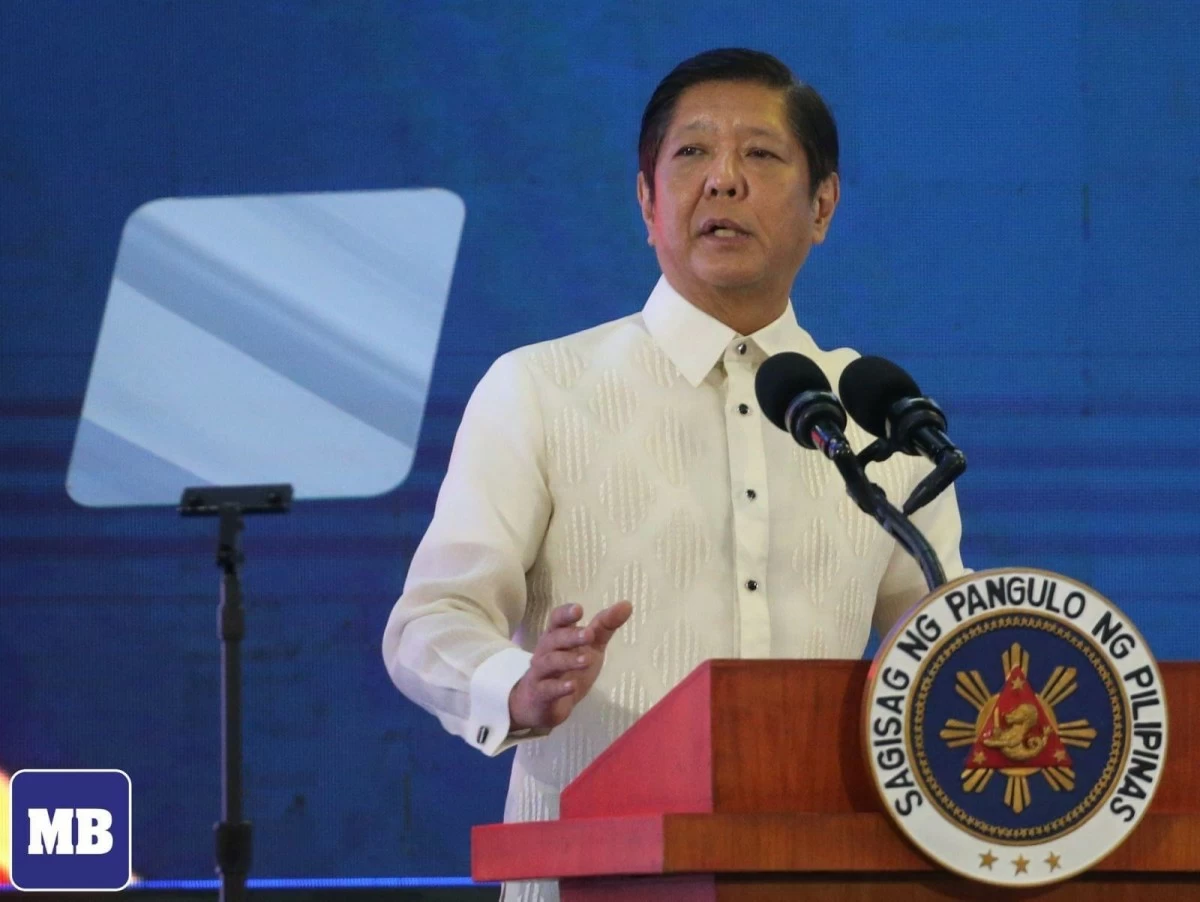
President Ferdinand 'Bongbong' Marcos Jr. (MB File Photo)
Private companies were strongly urged to adopt flexible work arrangements to lessen transportation demand and costs as the country was placed under a state of national energy emergency.
President Marcos made the call on Tuesday, March 24, through Executive Order (EO) No. 110 which declared a state of national energy emergency in light of the ongoing conflict in the Middle East which has impacted the "availability and stability" of the country's energy supply.
Under the EO, private companies were urged to "support workforce stability by adopting flexible work arrangements where feasible to lessen transportation demand and costs."
Aside from that, the private sector, civil organizations, and other stakeholders were urged to partner with government agencies and local government units (LGUs) to provide logistical support, interventions, and critical services to affected sectors and vulnerable communities.
They were also encouraged to implement energy conservation measures in business operations and promote fuel-saving practices among employees and customers.
Marcos further asked the private sector to cooperate with government monitoring and enforcement of fair pricing practices to prevent profiteering and hoarding.
The declaration of energy emergency shall remain in effect for one year.
In the EO, Marcos cited the "imminent danger" the ongoing Middle East conflict poses to the country's energy supply.
He said "urgent measures are necessary to ensure the stability and adequacy of the country's energy supply."
The declaration of a state of national energy emergency, according to the EO, will enable the government to implement responsive and coordinated measures to address the risks posed by disruptions in the global energy supply and domestic economy.