







Redefining the way we move
Published Mar 18, 2026 01:50 pm


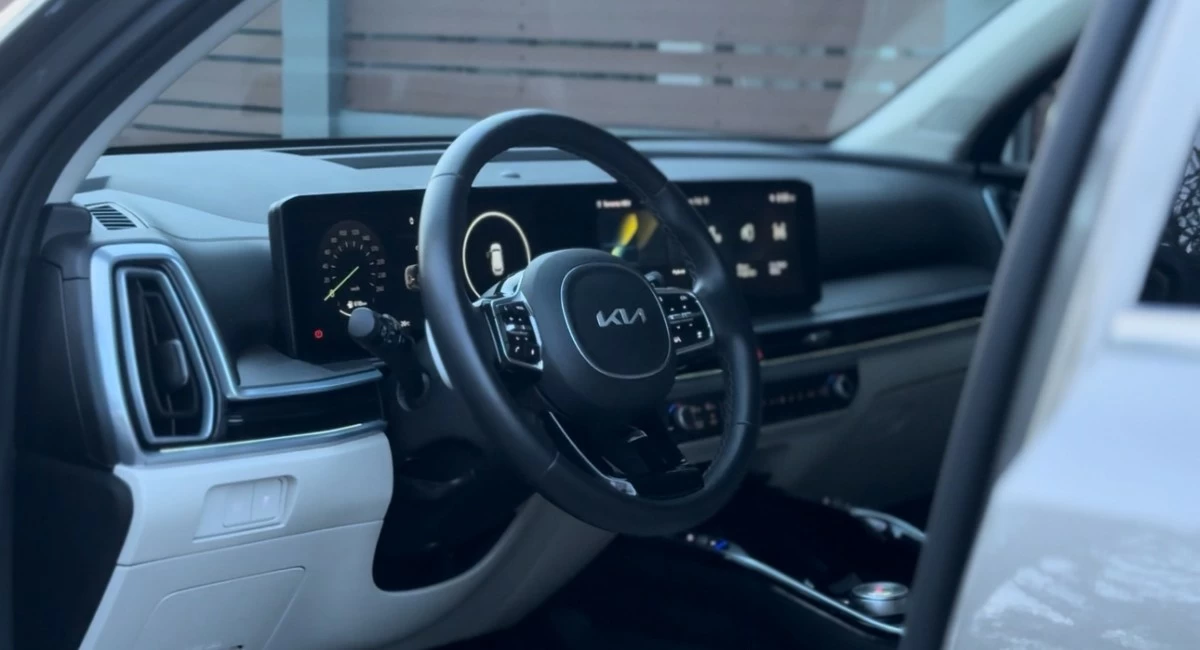
Hybrid technology blends electric power with fuel efficiency, making longer drives smoother, quieter, and more sustainable.
With fuel prices climbing again, a question comes to mind—one that many drivers are likely asking as well: Can switching to electric or hybrid vehicles really change the way we move, and the impact we leave behind?
For many, mobility is simply part of daily life. We drive to work, bring children to school, run errands, and navigate traffic almost on autopilot. Rarely do we stop to think about the fuel we consume in the process. But with rising costs driven by global conflicts and growing conversations around sustainability, it is becoming harder to ignore how everyday habits contribute to a much bigger picture.
Over the past few years, electric mobility has steadily shifted from being a futuristic concept to something more practical and visible on the road. Automakers such as Kia and BYD, to name a few, have expanded their electrified lineups, making hybrid and electric vehicles more accessible to everyday drivers.
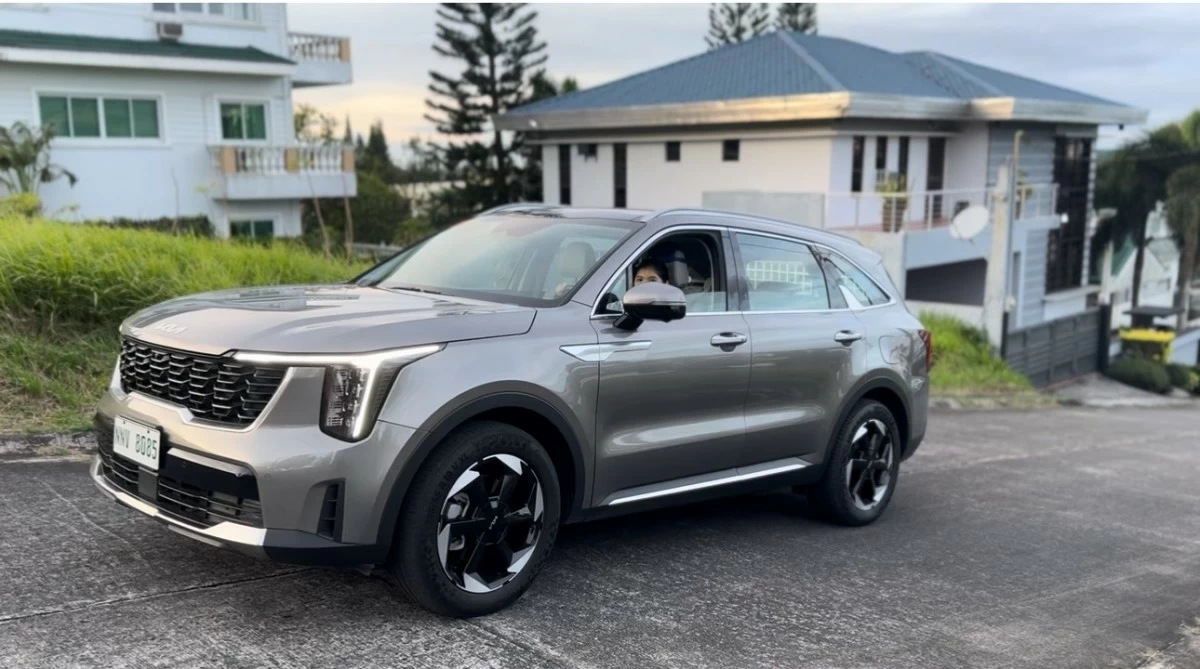
Long drives with fewer stops. A recent trip to Pampanga with the Kia Sorento Hybrid showed just how efficient hybrid mobility can be. We didn’t even need to gas up after the drive.
A recent drive to Pampanga highlighted this shift. The Kia Sorento Hybrid delivered not just comfort, but notable efficiency. Even after the long drive, there was no immediate need to refuel. Moments like this quietly demonstrate what hybrid technology can do—stretching fuel efficiency while reducing reliance on traditional combustion engines.
Hybrid technology blends electric power with fuel efficiency, making longer drives smoother, quieter, and more sustainable.
Experiences like this make the conversation around sustainable mobility feel less theoretical and more immediate. Several years ago, discussions about electric vehicles in the Philippines often centered on readiness—whether the country had the infrastructure, awareness, and affordability to support the adoption.
That conversation appears to be evolving.
With stronger policies, improving infrastructure, and sustained campaigns promoting electrification, electric mobility in the Philippines is no longer just an emerging trend. It is increasingly becoming part of the country’s long-term sustainability strategy.
In many ways, electronic vehicles are no longer just “nice to have” innovations. They are becoming necessary steps toward reducing emissions and improving mobility in increasingly congested cities. Still, sustainable mobility is not limited to electric cars alone.
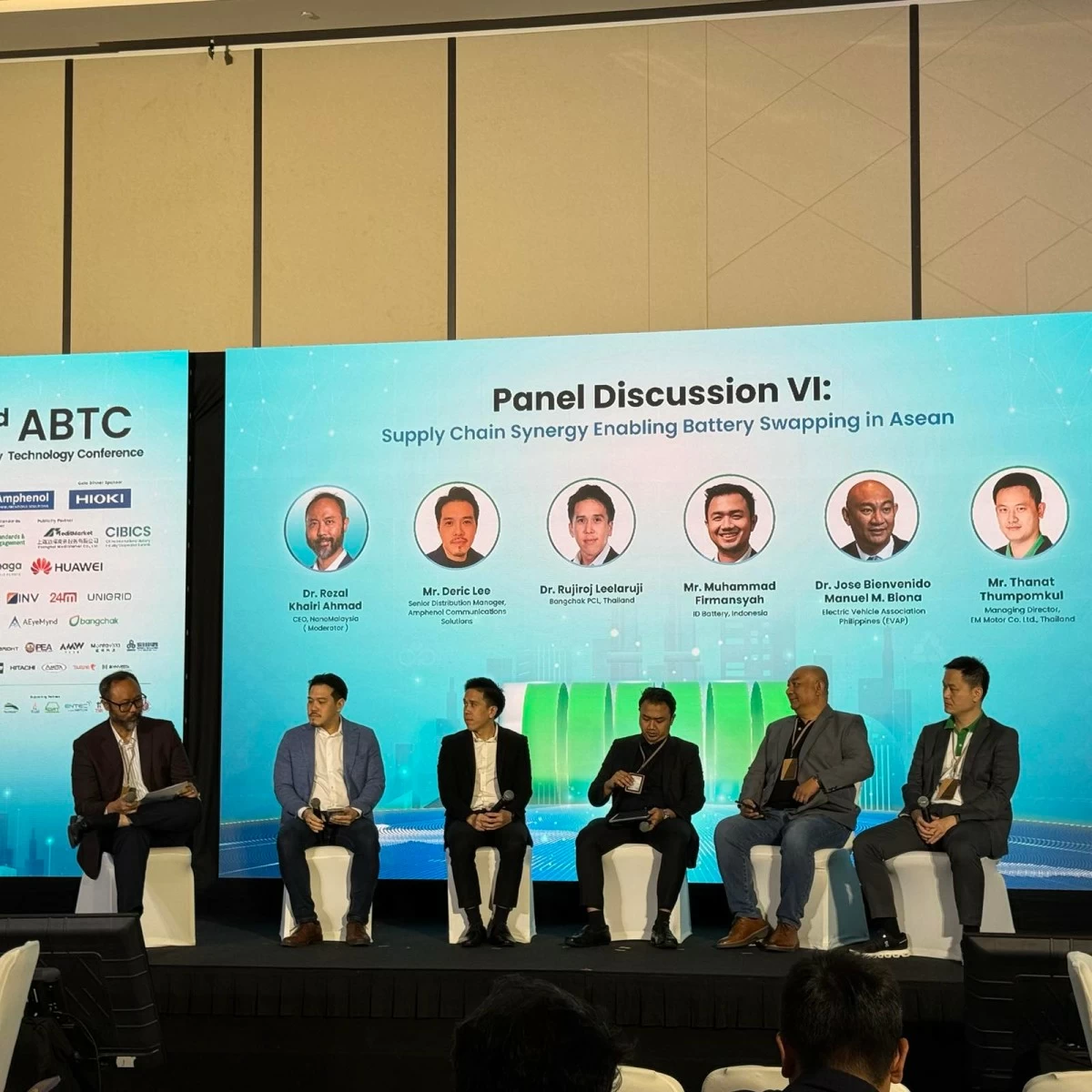
At the ASEAN Battery Technology Convention, a clearer picture emerged: what was once a slow adoption story is now gaining momentum.
Sometimes, the most meaningful changes come from the simplest choices.
Short trips to the nearby store, quick coffee runs, or errands do not always require a car. Walking—even for a few minutes—can help reduce emissions while offering something often overlooked: a chance to slow down.
It benefits not only physical health but also mental well-being. Walking clears the mind in ways that sitting behind the wheel often cannot.
For slightly longer distances, micro-mobility solutions are also becoming part of the equation. Electric scooters, such as those from Xiaomi, offer an efficient option for navigating dense urban environments without adding more vehicles to already congested roads.
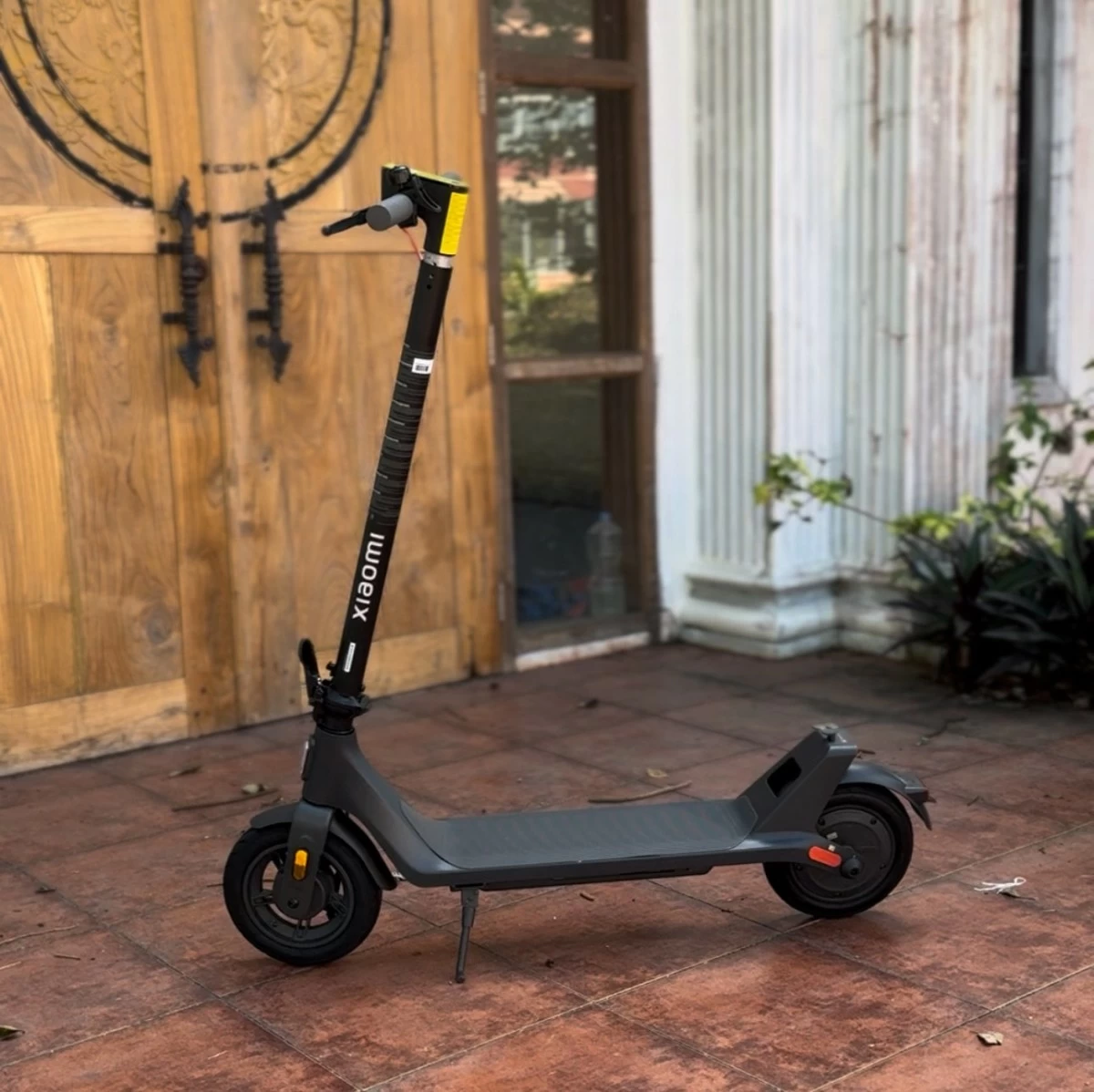
Not every trip needs a car. Sometimes the most sustainable way to move is the simplest one—walking a little more, driving a little less. This is Xiaomi Lite 4.
These smaller forms of mobility, whether scooters, bicycles, or simply walking, serve as reminders that sustainability does not always require sweeping lifestyle changes. Often, it is about choosing a more appropriate option for the distance traveled.
In reality, there is no single solution to sustainable mobility.
Hybrid vehicles, electric cars, scooters, and even walking all play a role in shaping a more thoughtful way of moving through cities. Each option contributes differently, but together they help reimagine what everyday transportation can become.
Perhaps the future of mobility will not be defined by one technology alone.
It may instead be shaped by a broader set of choices, ways to move that are more efficient, more responsible, and, at times, more mindful.