







Charged for change
How the Philippines can power a cleaner and brighter ASEAN future
Published Oct 10, 2025 11:50 am
|
Updated Oct 10, 2025 01:19 pm


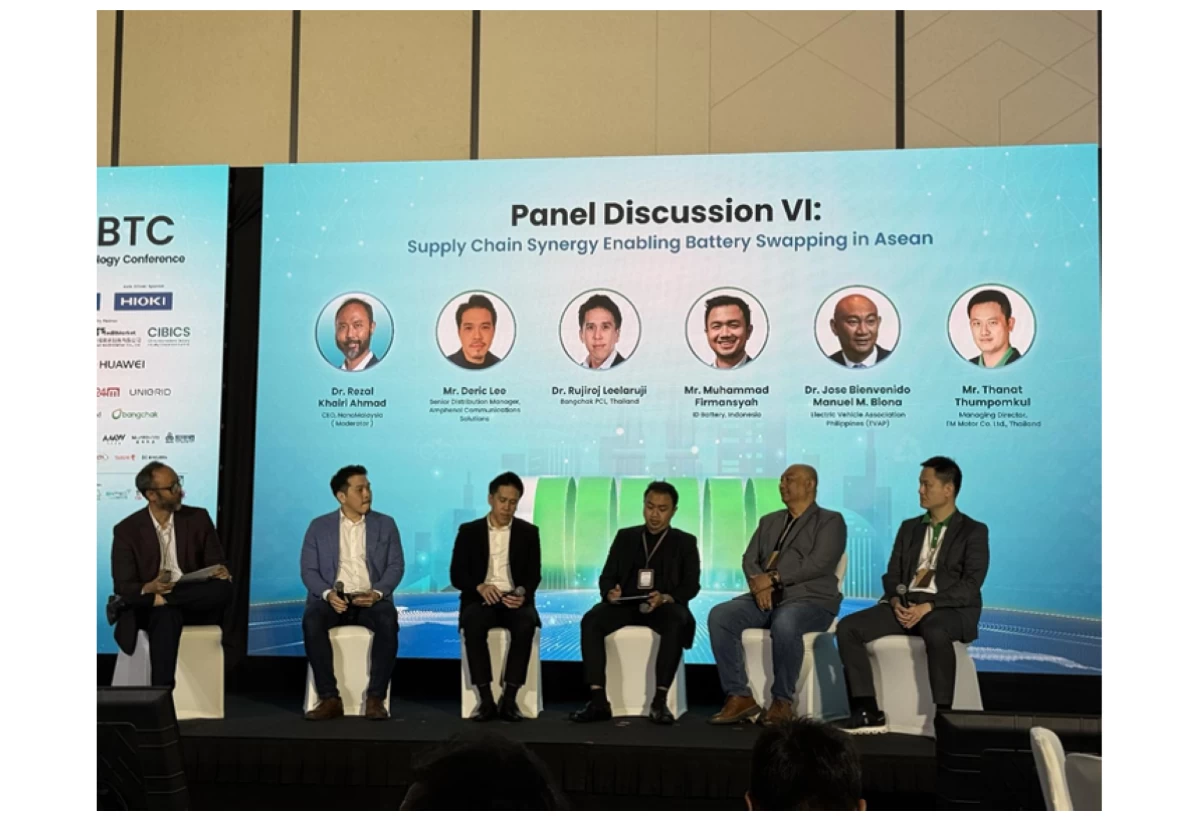
One of the panelists, Dr. Jose Bienvenido Manuel M. Biona of the Electric Vehicle Association of the Philippines (EVAP), shared pivotal insights on how the Philippines continues to progress in sustainable mobility and energy innovation
When we talk about the future of clean energy, batteries often don’t get the same spotlight as solar panels or wind farms. But at the 3rd ASEAN Battery Technology Conference (ABTC) in Phuket, Thailand, it became clear: batteries are fast becoming the backbone of ASEAN’s clean energy ambitions.
Hosted by Hioki E.E. Corporation, a Japan-based global leader in electrical measuring instruments, the conference gathered policymakers, engineers, researchers, and industry stakeholders to discuss something deceptively simple yet immensely powerful: better batteries mean a more sustainable ASEAN.
For me, being part of this journey feels a little special. I was fortunate to have attended since the initiative’s inception in Bali, Indonesia. Watching the growth of ABTC over the years is like seeing an idea bloom into something much bigger — a movement that could reshape how Southeast Asia powers its cities, industries, and even our daily commute.
The Philippines’ Unique Position
Batteries are no longer just AA cells for remote controls or the lithium-ion packs inside smartphones. They are the silent workhorses behind electric vehicles (EVs), renewable energy storage, and grid resilience during disasters.
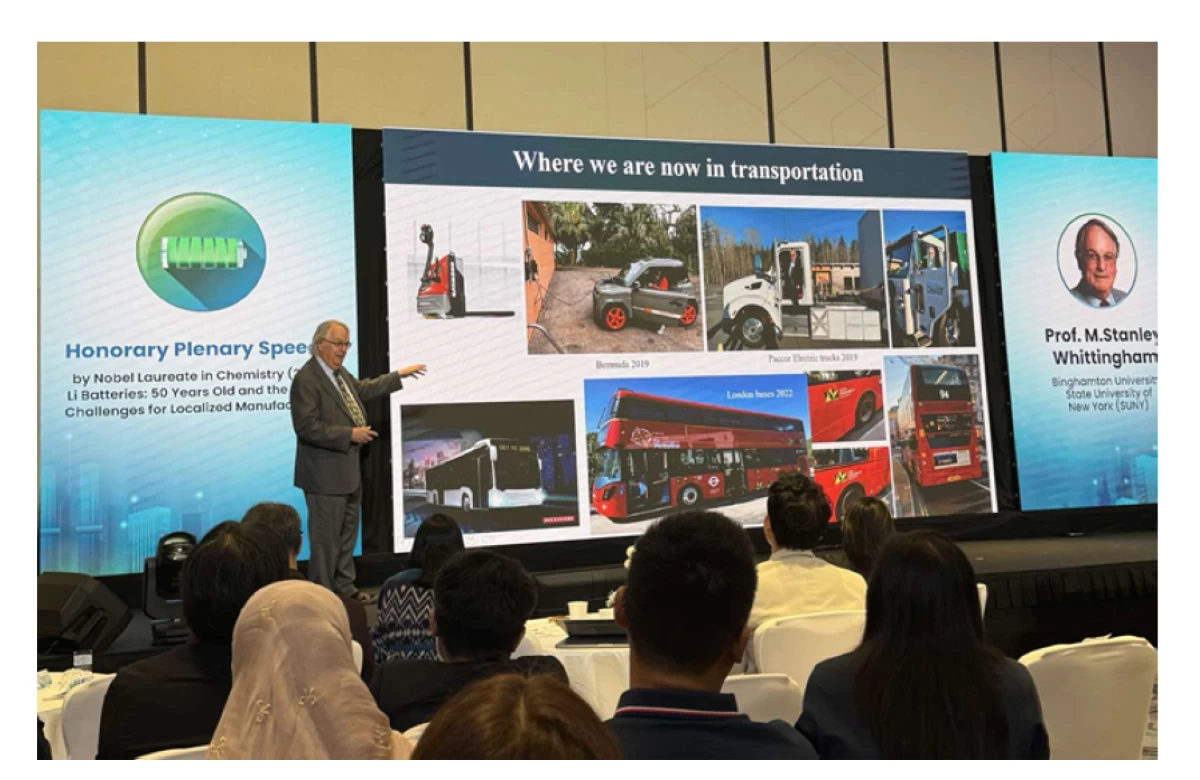
Prof. Stanley Whittingham, whose discovery of intercalation electrodes paved the way for modern lithium-ion battery tech
A city powered by renewable energy cannot rely on sunshine at night or wind on calm days. Batteries bridge that gap, storing excess energy when it’s available and releasing it when it’s needed. For ASEAN countries prone to typhoons and floods, having resilient battery systems also means keeping the lights on, literally, during emergencies.
Here’s where the Philippines enters the story. Our country is blessed — or perhaps challenged — with some of the world’s richest deposits of nickel, copper, and cobalt, all key components of EV batteries.
According to the U.S. Geological Survey, the Philippines was the world’s second-largest nickel producer in 2023. Copper has long been one of our major exports, with large reserves in Benguet and Palawan. Cobalt, often a byproduct of nickel mining, is also found here.
On paper, this sounds like a perfect setup: we have the raw ingredients for the clean energy transition. But here’s the catch — most of these minerals are exported. Very little of it stays to fuel local innovation, research, or battery manufacturing.
At the ABTC, one recurring theme was how ASEAN nations can reduce dependency on imports by developing local supply chains.
For the Philippines, that means moving beyond just being a “minerals supplier” and toward becoming a hub for battery research, processing, and assembly.
A Sustainability Crossroads
But mineral wealth alone isn’t enough. Mining comes at an environmental cost, from siltation and deforestation to displaced communities. The Philippines has seen these controversies firsthand.
This is why ABTC’s focus on responsible innovation matters. Better batteries don’t just mean higher capacity — they mean finding ways to recycle, repurpose, and design systems that reduce reliance on virgin mining. Singapore is already investing heavily in battery recycling; the Philippines should be next.
The Payoff if We Get This Right
If we scale up EV adoption alongside responsible battery production, Metro Manila’s air quality could improve dramatically — much like Chinese cities that shifted to electric mobility. Cleaner air means fewer health problems, quieter roads, and cooler urban temperatures.
Economically, a local battery ecosystem could generate thousands of green jobs across R&D, manufacturing, and recycling. It could also make our grid more resilient against typhoons and floods — vital in a country on the climate frontlines.
Learning from Our Neighbors
ASEAN’s success stories offer a roadmap. Thailand is investing heavily in EV assembly plants. Indonesia is leveraging its nickel reserves for international battery partnerships. Vietnam, through VinFast, is pushing to become a serious EV player.
The Philippines has the raw materials and the human talent. What we lack is a clear national strategy that links our mineral wealth to innovation — not just export revenues.
Looking Ahead
The 3rd ABTC was a reminder that batteries aren’t just about powering cars or storing electricity. They’re about shaping the kind of future we want: one where clean air isn’t a luxury, where blackouts don’t define disaster response, and where our mineral wealth fuels local progress instead of leaving our shores.
Hioki’s vision has always been about regional collaboration and knowledge-sharing. If ASEAN aligns its goals, and if the Philippines steps up responsibly, our natural resources could finally charge us toward a greener, more sustainable future.