ADVERTISEMENT

When illness becomes the wake up call we never wanted

Published Jan 23, 2026 12:05 am  |  Updated Jan 22, 2026 06:27 pm
GUEST COLUMNIST
I came across a quote online that said, “Make time for your health, or it will make time for you.” It is a familiar sentiment, often shared casually, yet rarely acted upon. For many of us, self care only becomes urgent when illness forces it into focus—when health, long neglected, demands attention.
I came to understand this more clearly in the quiet corridors of an oncology ward in Australia, where I was caring for my father during his cancer treatment.
I expected the ward to be filled mostly with the elderly. I expected faces marked with time, bodies worn down, and conversations hushed and restrained. Instead, I saw children as young as seven, smiling and joking with nurses, carrying a lightness that seemed almost impossible given the pain their bodies endured. Morphine had become their constant companion, yet their spirits remained intact, unbroken by the severity of their circumstances.
One man beside us was given only minutes to decide whether to stay in the hospital and wait for the inevitable, or go home—to a home that, in any meaningful sense, no longer existed. Watching him struggle with that decision made the limits of human control painfully clear.
Another patient, a woman likely in her late 40s, spent much of her time on video calls with her daughter. She asked whether their house would be livable for her, whether her daughter would have help or a caregiver when she could no longer manage on her own. Each conversation carried the weight of a life continuing beyond the hospital walls.
Across from us was a man whose pain never seemed to rest. He cried out often, and throughout our 14-day stay, no family came to visit him. The nurses were his only constant. At first, I was hesitant, unsure of how to speak to someone so exhausted by suffering. And then one day, he looked at me and said, “I just have cancer. You can still talk to me.”
I noticed that whenever someone spoke to him, even briefly, his pain seemed to ease. A simple conversation, a shared moment, becomes a small but meaningful relief.
Each day brought different faces, different struggles, different realizations. And each day served as a reminder of how fragile life is—and how profoundly presence, however small, can matter.
Being a caregiver teaches humility. It shows that presence—simply staying—is often the truest form of love. It reveals how little control we truly have over life, and yet how much comfort can come from a hand to hold or a quiet conversation can make.
Cancer may not be the leading cause of death in the Philippines, but it remains a powerful reminder of how precious, and how fragile, health can be. While some have access to timely care and insurance, many others live day to day with uncertainty.
This reality underscores the importance of valuing every check-up, every preventive measure, and every effort to care for ourselves and those we love.
Life is unpredictable. But the small choices we make in favor of health and presence are never wasted.
Between hospital walls, life reveals itself in its most honest form, fleeting, fragile and worth cherishing.
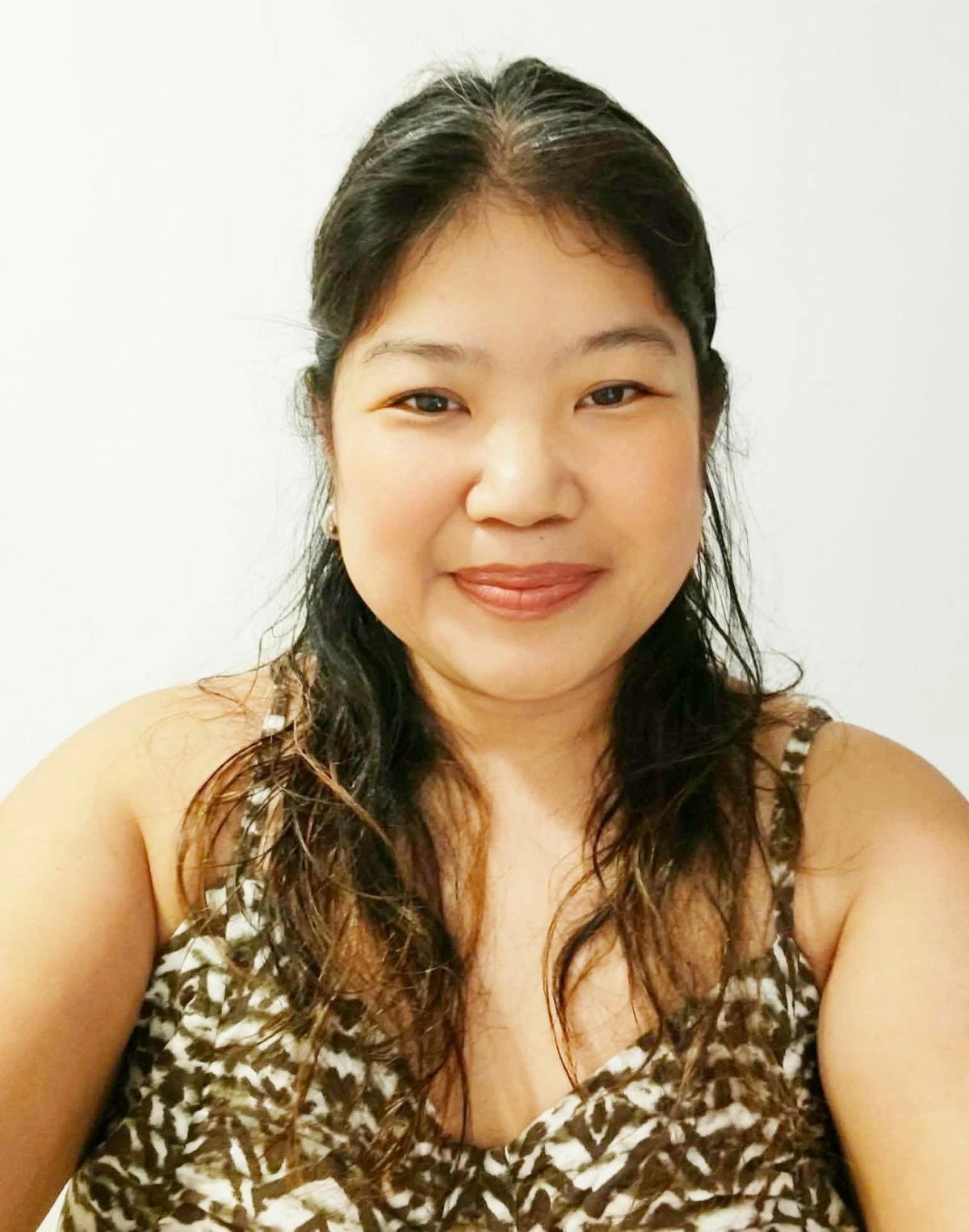
(Millie Manahan is a freelance writer who regularly contributes to Manila Bulletin’s TechNews and Environment sections.)
ADVERTISEMENT
.most-popular .layout-ratio{ padding-bottom: 79.13%; } @media (min-width: 768px) and (max-width: 1024px) { .widget-title { font-size: 15px !important; } }

{{ articles_filter_1561_widget.title }}

.most-popular .layout-ratio{ padding-bottom: 79.13%; } @media (min-width: 768px) and (max-width: 1024px) { .widget-title { font-size: 15px !important; } }

{{ articles_filter_1562_widget.title }}

.most-popular .layout-ratio{ padding-bottom: 79.13%; } @media (min-width: 768px) and (max-width: 1024px) { .widget-title { font-size: 15px !important; } }

{{ articles_filter_1563_widget.title }}

{{ articles_filter_1564_widget.title }}

.mb-article-details { position: relative; } .mb-article-details .article-body-preview, .mb-article-details .article-body-summary{ font-size: 17px; line-height: 30px; font-family: "Libre Caslon Text", serif; color: #000; } .mb-article-details .article-body-preview iframe , .mb-article-details .article-body-summary iframe{ width: 100%; margin: auto; } .read-more-background { background: linear-gradient(180deg, color(display-p3 1.000 1.000 1.000 / 0) 13.75%, color(display-p3 1.000 1.000 1.000 / 0.8) 30.79%, color(display-p3 1.000 1.000 1.000) 72.5%); position: absolute; height: 200px; width: 100%; bottom: 0; display: flex; justify-content: center; align-items: center; padding: 0; } .read-more-background a{ color: #000; } .read-more-btn { padding: 17px 45px; font-family: Inter; font-weight: 700; font-size: 18px; line-height: 16px; text-align: center; vertical-align: middle; border: 1px solid black; background-color: white; } .hidden { display: none; }
function initializeAllSwipers() { // Get all hidden inputs with cms_article_id document.querySelectorAll('[id^="cms_article_id_"]').forEach(function (input) { const cmsArticleId = input.value; const articleSelector = '#article-' + cmsArticleId + ' .body_images'; const swiperElement = document.querySelector(articleSelector); if (swiperElement && !swiperElement.classList.contains('swiper-initialized')) { new Swiper(articleSelector, { loop: true, pagination: false, navigation: { nextEl: '#article-' + cmsArticleId + ' .swiper-button-next', prevEl: '#article-' + cmsArticleId + ' .swiper-button-prev', }, }); } }); } setTimeout(initializeAllSwipers, 3000); const intersectionObserver = new IntersectionObserver( (entries) => { entries.forEach((entry) => { if (entry.isIntersecting) { const newUrl = entry.target.getAttribute("data-url"); if (newUrl) { history.pushState(null, null, newUrl); let article = entry.target; // Extract metadata const author = article.querySelector('.author-section').textContent.replace('By', '').trim(); const section = article.querySelector('.section-info ').textContent.replace(' ', ' '); const title = article.querySelector('.article-title h1').textContent; // Parse URL for Chartbeat path format const parsedUrl = new URL(newUrl, window.location.origin); const cleanUrl = parsedUrl.host + parsedUrl.pathname; // Update Chartbeat configuration if (typeof window._sf_async_config !== 'undefined') { window._sf_async_config.path = cleanUrl; window._sf_async_config.sections = section; window._sf_async_config.authors = author; } // Track virtual page view with Chartbeat if (typeof pSUPERFLY !== 'undefined' && typeof pSUPERFLY.virtualPage === 'function') { try { pSUPERFLY.virtualPage({ path: cleanUrl, title: title, sections: section, authors: author }); } catch (error) { console.error('ping error', error); } } // Optional: Update document title if (title && title !== document.title) { document.title = title; } } } }); }, { threshold: 0.1 } ); function showArticleBody(button) { const article = button.closest("article"); const summary = article.querySelector(".article-body-summary"); const body = article.querySelector(".article-body-preview"); const readMoreSection = article.querySelector(".read-more-background"); // Hide summary and read-more section summary.style.display = "none"; readMoreSection.style.display = "none"; // Show the full article body body.classList.remove("hidden"); } document.addEventListener("DOMContentLoaded", () => { let loadCount = 0; // Track how many times articles are loaded const offset = [1, 2, 3, 4, 5, 6, 7, 8, 9, 10]; // Offset values const currentUrl = window.location.pathname.substring(1); let isLoading = false; // Prevent multiple calls if (!currentUrl) { console.log("Current URL is invalid."); return; } const sentinel = document.getElementById("load-more-sentinel"); if (!sentinel) { console.log("Sentinel element not found."); return; } function isSentinelVisible() { const rect = sentinel.getBoundingClientRect(); return ( rect.top < window.innerHeight && rect.bottom >= 0 ); } function onScroll() { if (isLoading) return; if (isSentinelVisible()) { if (loadCount >= offset.length) { console.log("Maximum load attempts reached."); window.removeEventListener("scroll", onScroll); return; } isLoading = true; const currentOffset = offset[loadCount]; window.loadMoreItems().then(() => { let article = document.querySelector('#widget_1690 > div:nth-last-of-type(2) article'); intersectionObserver.observe(article) loadCount++; }).catch(error => { console.error("Error loading more items:", error); }).finally(() => { isLoading = false; }); } } window.addEventListener("scroll", onScroll); });

Sign up by email to receive news.