







Peso strength may be short-lived—World Bank


The Philippine peso's gains against the United States (US) dollar at the start of the year may be erased by the widening current account deficit, according to the World Bank.
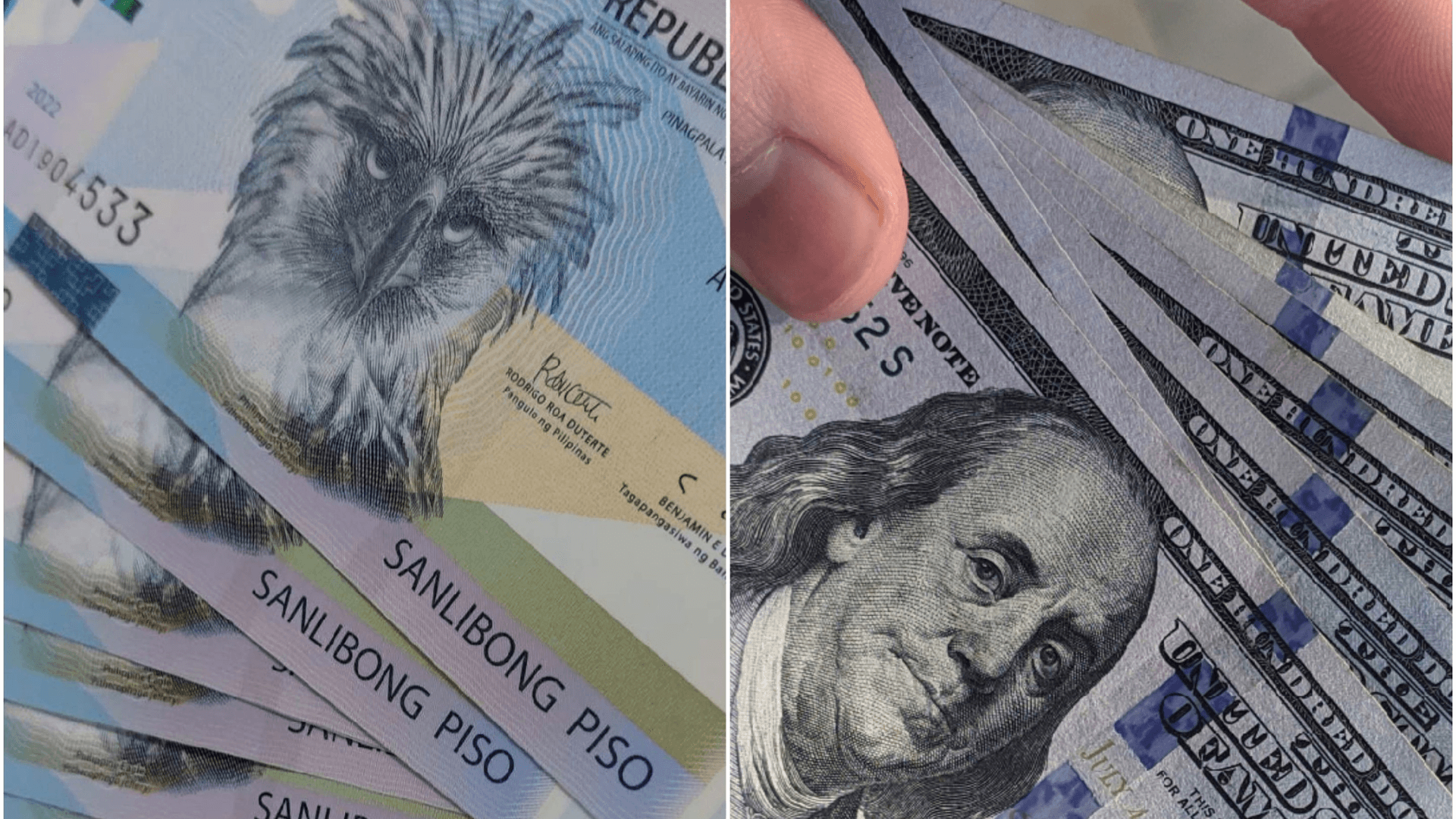
In its Philippines Monthly Economic Developments report for March 2025, the Washington-based multilateral lender noted that the peso appreciated to ₱57.3:$1 as of mid-March from ₱58.2 versus the greenback a month ago.
The peso tracked its regional peers, which strengthened amid concerns that US President Donald Trump's tariffs may adversely impact the American economy.
Also, "subdued inflation and inflation expectations contributed to an increase in the real interest rate differential between the Philippines and the US," the World Bank said.
"An increased interest rate differential enhances the attractiveness of Philippine peso assets for international investors, contributing to the peso's appreciation," it explained.
However, the World Bank said that the country's increasing current account deficit "may pressure the currency if trends continue."
The deficit in the current account, or net dollar earnings, was projected by the Bangko Sentral ng Pilipinas (BSP) to widen to 3.9 percent of gross domestic product (GDP), or $19.8 billion, this year.
Last year, the current account deficit stood at $17.5 billion, or 3.8 percent of GDP—wider than the $12.4 billion, or 2.8 percent of GDP, in 2023.
Amid expectations of slower global trade, the World Bank warned that declining net exports may further strain the current account.
The report pointed out that last year, net services exports dropped because of a surge in outbound tourism spending and slower growth in receipts from information technology and business process management (IT-BPM), the country's top dollar-earning industry.
Meanwhile, the trade-in-goods deficit expanded due to increased imports of electric machinery, industrial metals, and rice, along with a decline in electronics exports—the Philippines' top export commodity, it added.
"In January 2025, goods imports sustained broad-based growth across all major categories, while continued weakness in electronics dragged down growth in goods exports. Inbound tourism receipts rose sharply as of January, but a decline in international arrivals in February clouds the near-term outlook," the World Bank noted.