ADVERTISEMENT

The subtle shift to cleaner roads begins here

Published Nov 17, 2025 11:39 am  |  Updated Nov 17, 2025 05:49 pm
Who needs an outlet when your car can power it all? The BYD Tang DM-i’s Vehicle-to-Load (V2L) function lets you plug in and power up anywhere — from outdoor adventures to emergency situations.
I’ve reviewed a few cars here and there over the past several years — not as a full-time motoring journalist, but as someone who’s always been curious about how mobility and sustainability intersect.
What I love about assignments like these is that they don’t sit neatly in just one category. A car review, for instance, isn’t just about torque, trims, or tyre sizes; it can also be a window into how the world is evolving toward cleaner and smarter transport.
Since attending the ASEAN Battery Technology Convention, sponsored by Hioki, for three years in a row, my curiosity about electric vehicles (EVs) has only grown deeper. That event — which gathers battery experts, sustainability advocates, and EV manufacturers across the region — always leaves me with one lingering thought: how soon can the Philippines truly adapt to electric mobility?
READ: Greener Tomorrow Takes Shape At The 3rd ASEAN Battery Conference in Phuket
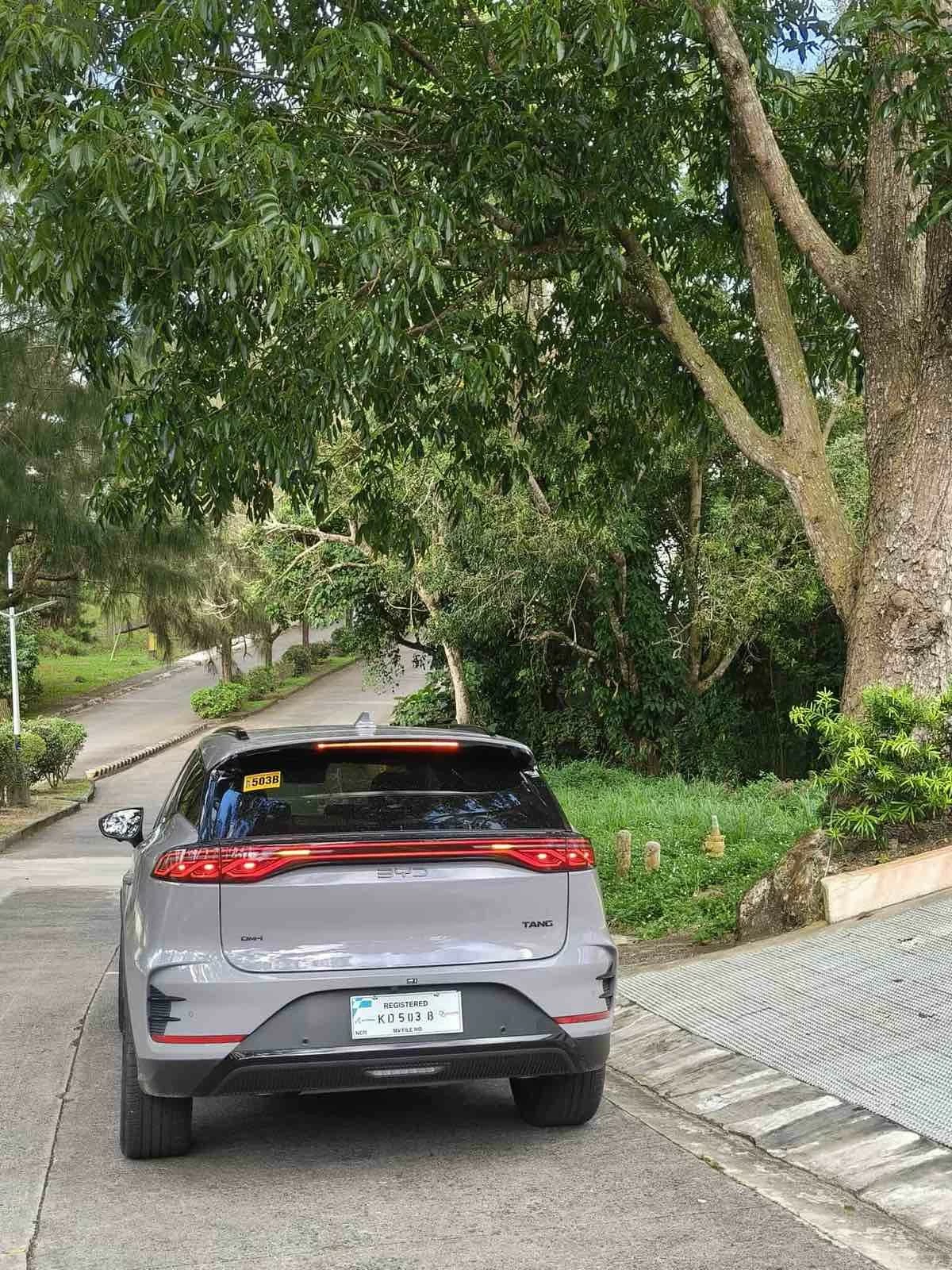
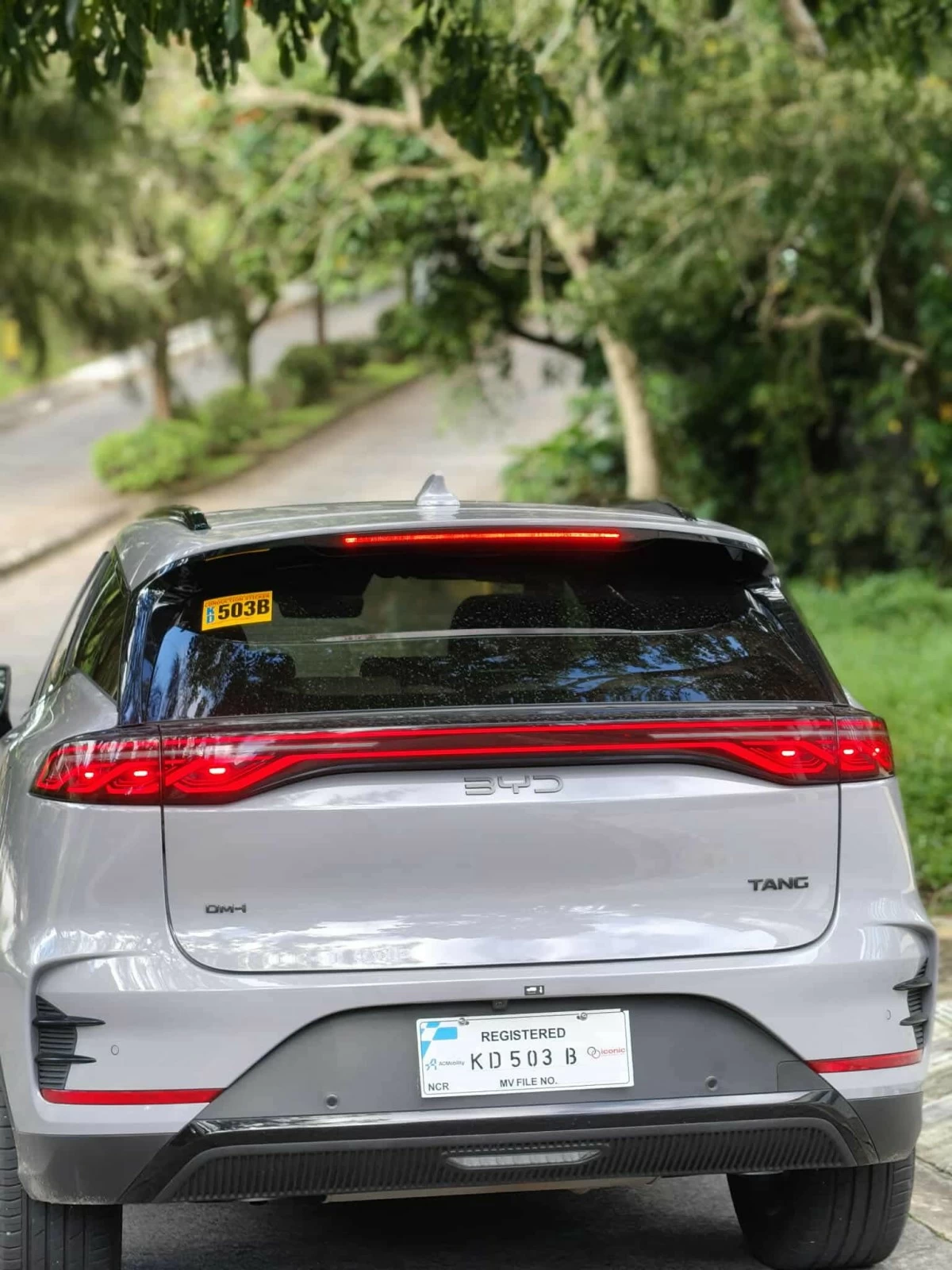
And when we talk about EVs locally, BYD, short for Build Your Dreams, often leads the conversation. So when I had the chance to take the BYD Tang DM-i out for a drive, I was eager not just to test its features, but to understand how this plug-in hybrid could fit into a more sustainable way of living.
Go Beyond Hybrid
The Tang DM-i isn’t just another SUV — it’s BYD’s answer for those who want to transition toward electric driving without diving in all at once. It runs on Dual Mode Intelligence, combining a 21.5 kWh Blade Battery and a 1.5L turbocharged gasoline engine. You can switch between full-electric and hybrid modes seamlessly depending on your route or mood — Economy, Normal, and Sport modes all come standard.
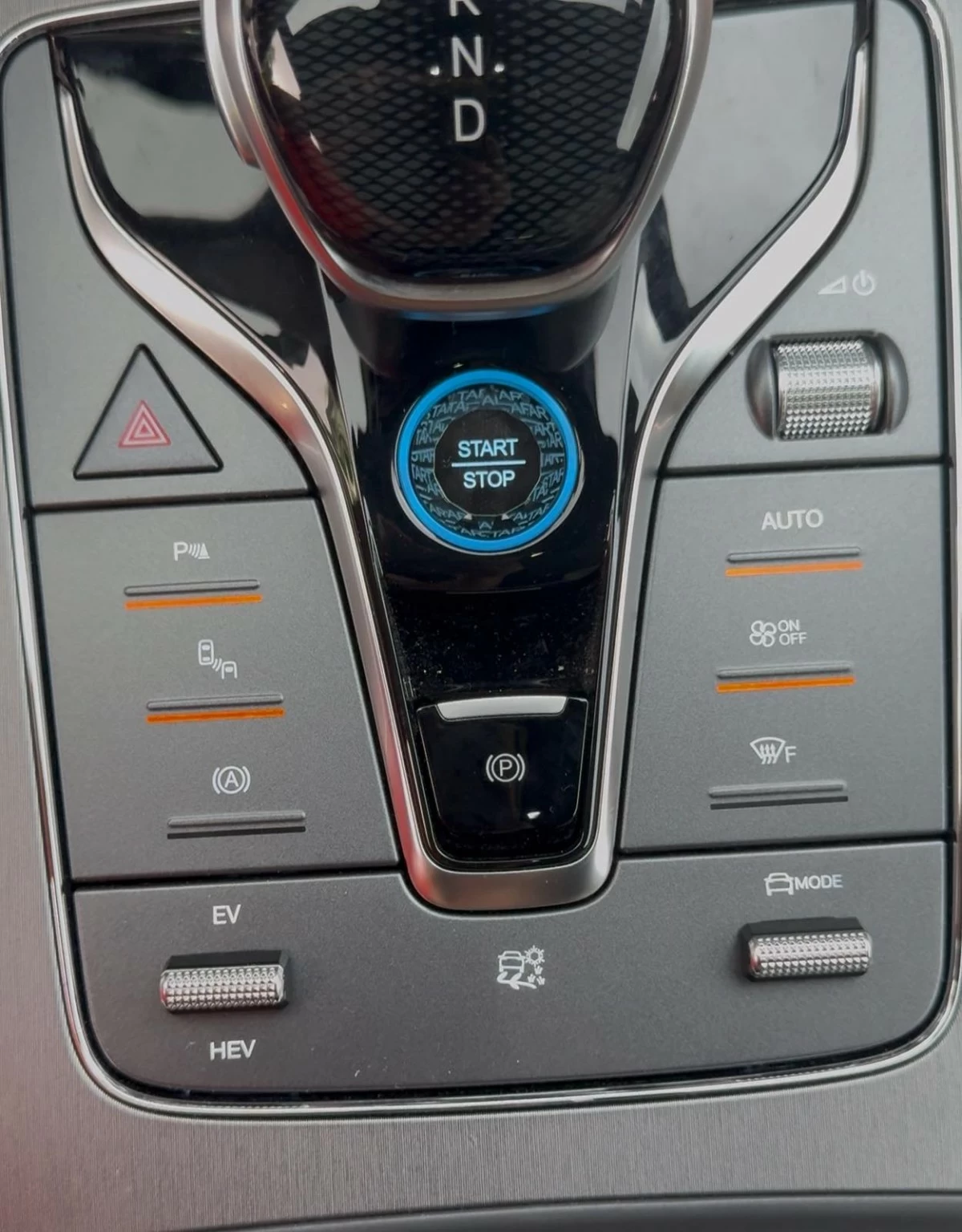
In pure electric mode, the Tang DM-i can go up to 110 kilometers — more than enough for the daily city grind — while its extended hybrid range reaches an impressive 1,160 kilometers.
That’s where it becomes practical for Filipino drivers: the convenience of a long-range SUV with the environmental benefits of an EV.
Its 7.5-second acceleration (0–100 km/h) also gives it some punch, but what stood out more to me was how quiet it is in motion. The electric drive hums instead of growls, a small but symbolic reminder that progress doesn’t always have to make noise.
The Blade Behind the Battery
At the ASEAN Battery Technology Convention in Thailand last August, one of the most discussed topics was battery circularity — how to ensure batteries are produced, used, and recycled responsibly. That’s where BYD’s Blade Battery, made from lithium iron phosphate (LFP), enters the conversation.
READ: Charged for Change
It’s engineered for a longer lifespan and better thermal stability, reducing fire risk and waste. In sustainability terms, longevity means less disposal, which eases pressure on supply chains and landfills. It’s a small but crucial detail — one that makes the Tang DM-i’s technology not just innovative but conscious.
This philosophy reminds me of what we practice through Refill & Beyond, our own small sustainability venture. The idea is similar: design something once, use it responsibly, and make it last. The BYD Blade Battery reflects that same mindset — sustainable design as a quiet commitment to longevity.
Is It Really “Greener”?
Of course, conversations around EVs and hybrids are rarely one-sided. People often ask, “Are EVs really better for the environment, considering the electricity they use or how batteries are made?”
It’s a fair question. The true sustainability of EVs depends on the power grid and how much of it comes from renewable sources. In the Philippines, we’re still catching up, but as Dr Manny Biona, President of the Electric Vehicle Association of the Philippines (EVAP), once emphasized, progress doesn’t wait for perfection.
The shift to cleaner transport begins with awareness and access — cars like the Tang DM-i serve as that bridge. It’s not about going 100% electric overnight, but about making better, smarter choices now while the infrastructure catches up later.
Sustainability in the Everyday
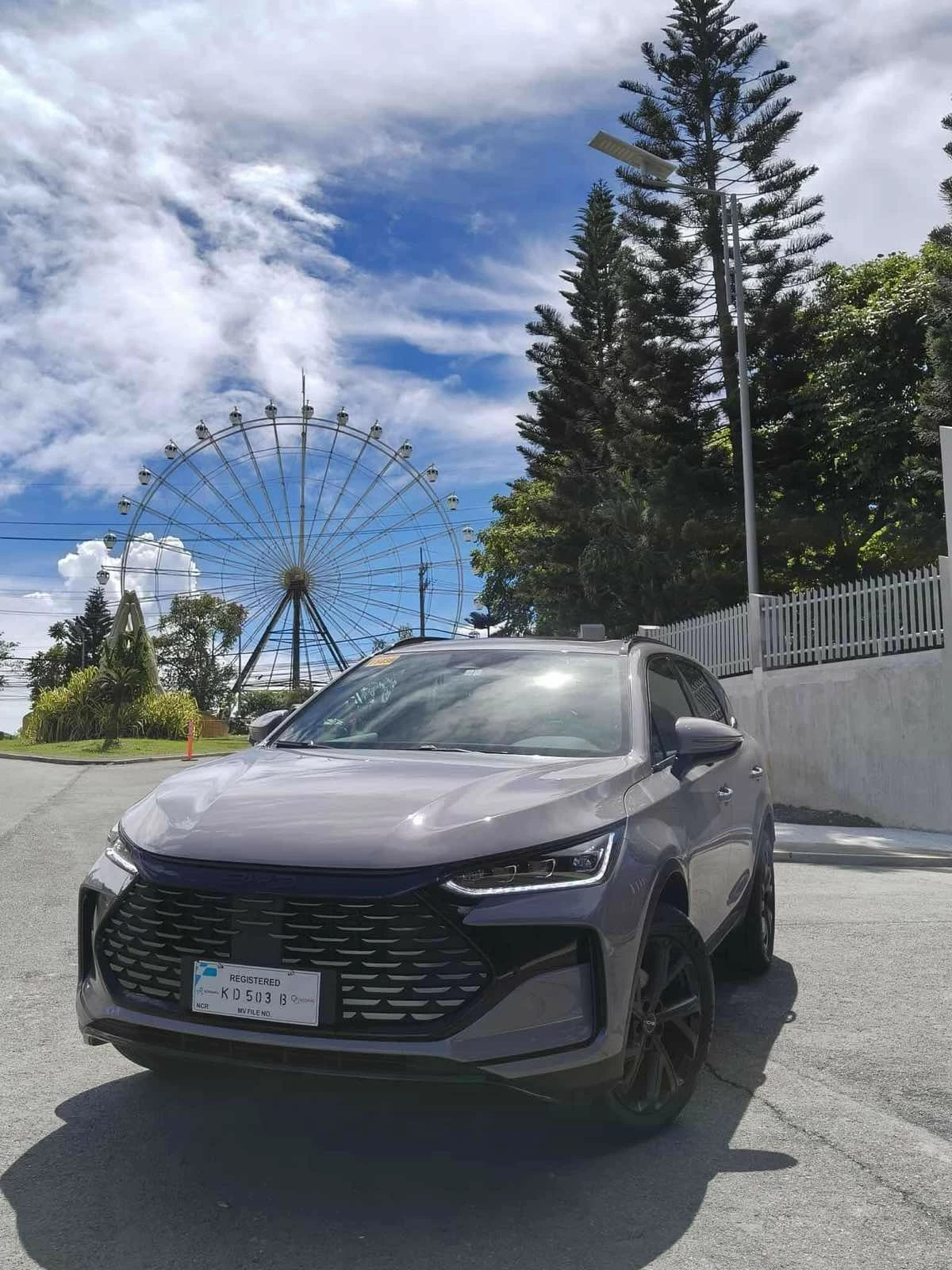
Beyond its hybrid technology, the Tang DM-i also comes with thoughtful convenience and safety features that reflect modern design: a 15.6-inch touchscreen infotainment system (with Apple CarPlay and Android Auto), power tailgate, ventilated front seats, 360° view cameras, and eight sensors for adaptive safety systems.
These touches make sustainability feel accessible — because the more comfortable and functional an eco-friendly car is, the more people are willing to consider it. Real impact happens when sustainable options fit naturally into everyday life.
Shift Happens
There’s something quietly empowering about driving the Tang DM-i. It doesn’t beg for attention, but it makes you feel part of a quiet revolution — one that hums instead of roars. The silence of its electric mode isn’t just comfort; it’s a reminder that change doesn’t have to be loud to be meaningful.
https://www.instagram.com/reel/DQeKG7_CVrqAd3GJlAAuBp-SufI_hP1X1UgtYk0/?igsh=bXh0dGpqMThrOGFs
Maybe that’s the beauty of it: sustainability isn’t about big leaps, but small shifts — one refill, one mindful purchase, one drive at a time.
And for once, it feels like it’s heading in the right direction.
ADVERTISEMENT
.most-popular .layout-ratio{ padding-bottom: 79.13%; } @media (min-width: 768px) and (max-width: 1024px) { .widget-title { font-size: 15px !important; } }

{{ articles_filter_1561_widget.title }}

.most-popular .layout-ratio{ padding-bottom: 79.13%; } @media (min-width: 768px) and (max-width: 1024px) { .widget-title { font-size: 15px !important; } }

{{ articles_filter_1562_widget.title }}

.most-popular .layout-ratio{ padding-bottom: 79.13%; } @media (min-width: 768px) and (max-width: 1024px) { .widget-title { font-size: 15px !important; } }

{{ articles_filter_1563_widget.title }}

{{ articles_filter_1564_widget.title }}

.mb-article-details { position: relative; } .mb-article-details .article-body-preview, .mb-article-details .article-body-summary{ font-size: 17px; line-height: 30px; font-family: "Libre Caslon Text", serif; color: #000; } .mb-article-details .article-body-preview iframe , .mb-article-details .article-body-summary iframe{ width: 100%; margin: auto; } .read-more-background { background: linear-gradient(180deg, color(display-p3 1.000 1.000 1.000 / 0) 13.75%, color(display-p3 1.000 1.000 1.000 / 0.8) 30.79%, color(display-p3 1.000 1.000 1.000) 72.5%); position: absolute; height: 200px; width: 100%; bottom: 0; display: flex; justify-content: center; align-items: center; padding: 0; } .read-more-background a{ color: #000; } .read-more-btn { padding: 17px 45px; font-family: Inter; font-weight: 700; font-size: 18px; line-height: 16px; text-align: center; vertical-align: middle; border: 1px solid black; background-color: white; } .hidden { display: none; }
function initializeAllSwipers() { // Get all hidden inputs with cms_article_id document.querySelectorAll('[id^="cms_article_id_"]').forEach(function (input) { const cmsArticleId = input.value; const articleSelector = '#article-' + cmsArticleId + ' .body_images'; const swiperElement = document.querySelector(articleSelector); if (swiperElement && !swiperElement.classList.contains('swiper-initialized')) { new Swiper(articleSelector, { loop: true, pagination: false, navigation: { nextEl: '#article-' + cmsArticleId + ' .swiper-button-next', prevEl: '#article-' + cmsArticleId + ' .swiper-button-prev', }, }); } }); } setTimeout(initializeAllSwipers, 3000); const intersectionObserver = new IntersectionObserver( (entries) => { entries.forEach((entry) => { if (entry.isIntersecting) { const newUrl = entry.target.getAttribute("data-url"); if (newUrl) { history.pushState(null, null, newUrl); let article = entry.target; // Extract metadata const author = article.querySelector('.author-section').textContent.replace('By', '').trim(); const section = article.querySelector('.section-info ').textContent.replace(' ', ' '); const title = article.querySelector('.article-title h1').textContent; // Parse URL for Chartbeat path format const parsedUrl = new URL(newUrl, window.location.origin); const cleanUrl = parsedUrl.host + parsedUrl.pathname; // Update Chartbeat configuration if (typeof window._sf_async_config !== 'undefined') { window._sf_async_config.path = cleanUrl; window._sf_async_config.sections = section; window._sf_async_config.authors = author; } // Track virtual page view with Chartbeat if (typeof pSUPERFLY !== 'undefined' && typeof pSUPERFLY.virtualPage === 'function') { try { pSUPERFLY.virtualPage({ path: cleanUrl, title: title, sections: section, authors: author }); } catch (error) { console.error('ping error', error); } } // Optional: Update document title if (title && title !== document.title) { document.title = title; } } } }); }, { threshold: 0.1 } ); function showArticleBody(button) { const article = button.closest("article"); const summary = article.querySelector(".article-body-summary"); const body = article.querySelector(".article-body-preview"); const readMoreSection = article.querySelector(".read-more-background"); // Hide summary and read-more section summary.style.display = "none"; readMoreSection.style.display = "none"; // Show the full article body body.classList.remove("hidden"); } document.addEventListener("DOMContentLoaded", () => { let loadCount = 0; // Track how many times articles are loaded const offset = [1, 2, 3, 4, 5, 6, 7, 8, 9, 10]; // Offset values const currentUrl = window.location.pathname.substring(1); let isLoading = false; // Prevent multiple calls if (!currentUrl) { console.log("Current URL is invalid."); return; } const sentinel = document.getElementById("load-more-sentinel"); if (!sentinel) { console.log("Sentinel element not found."); return; } function isSentinelVisible() { const rect = sentinel.getBoundingClientRect(); return ( rect.top < window.innerHeight && rect.bottom >= 0 ); } function onScroll() { if (isLoading) return; if (isSentinelVisible()) { if (loadCount >= offset.length) { console.log("Maximum load attempts reached."); window.removeEventListener("scroll", onScroll); return; } isLoading = true; const currentOffset = offset[loadCount]; window.loadMoreItems().then(() => { let article = document.querySelector('#widget_1690 > div:nth-last-of-type(2) article'); intersectionObserver.observe(article) loadCount++; }).catch(error => { console.error("Error loading more items:", error); }).finally(() => { isLoading = false; }); } } window.addEventListener("scroll", onScroll); });

Sign up by email to receive news.