






Manila Bulletin
 Technews
A Greener Tomorrow Takes Shape at the 3rd ASEAN Battery Technology Conference in Phuket
Technews
A Greener Tomorrow Takes Shape at the 3rd ASEAN Battery Technology Conference in Phuket
Technews
A Greener Tomorrow Takes Shape at the 3rd ASEAN Battery Technology Conference in Phuket
A Greener Tomorrow Takes Shape at the 3rd ASEAN Battery Technology Conference in Phuket
Published Aug 29, 2025 06:02 am
|
Updated Aug 28, 2025 11:18 am


The beaches in Phuket are, as always, beautiful, but there’s something else in the air this week—an energy that’s driving the conversations at the 3rd ASEAN Battery Technology Conference. Words like sustainability, greener future, and innovation might sound like buzzwords in another context, but here, they are much more than just topics. They are clear directions to move forward, commitments to be acted upon, and hope turned into tangible progress for the ASEAN region’s cleaner and safer energy future.
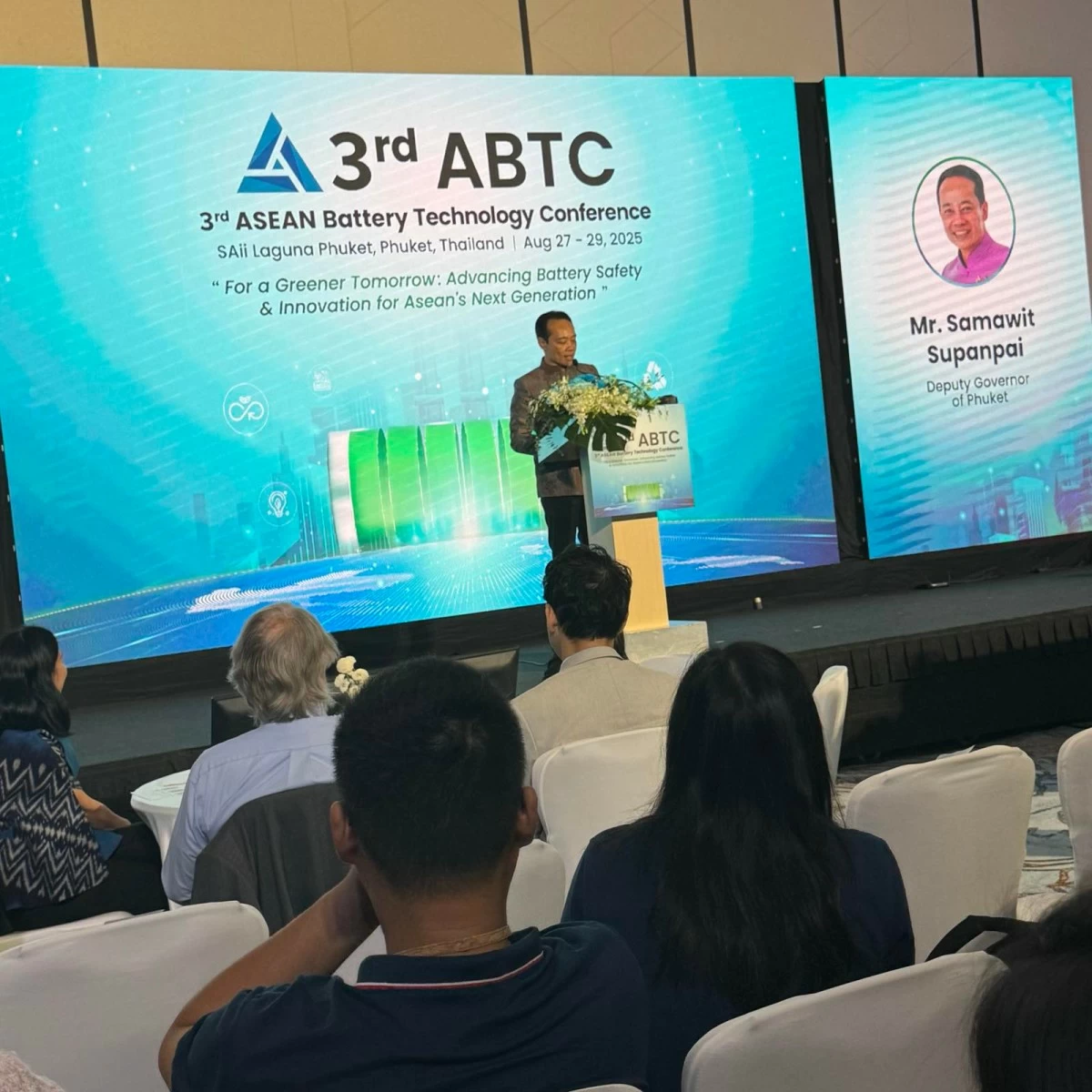
Mr. Samawit Supanpai, Deputy Governor of Phuket, Thailand
The conference opened with Deputy Governor of Phuket Samawit Supanpai presenting the city’s sustainability goals, including targeting a 50% reduction in carbon emissions by 2030 and achieving around 30% progress within the next few years. His vision aligns Phuket’s sustainability standards with global goals, reflecting the island’s commitment to balancing economic growth with environmental responsibility.
In his opening speech, Mr. Pongpol Yodmuangcharoen, Secretary to the Minister of Industry, underscored Thailand’s determination to turn crisis into opportunity by accelerating electric vehicle (EV) and battery manufacturing capabilities—from cell-level production to establishing circular waste laws and regional partnerships. He declared ABTC officially open with a call to rally ideas, energize cooperation, and power the Asian green economy.
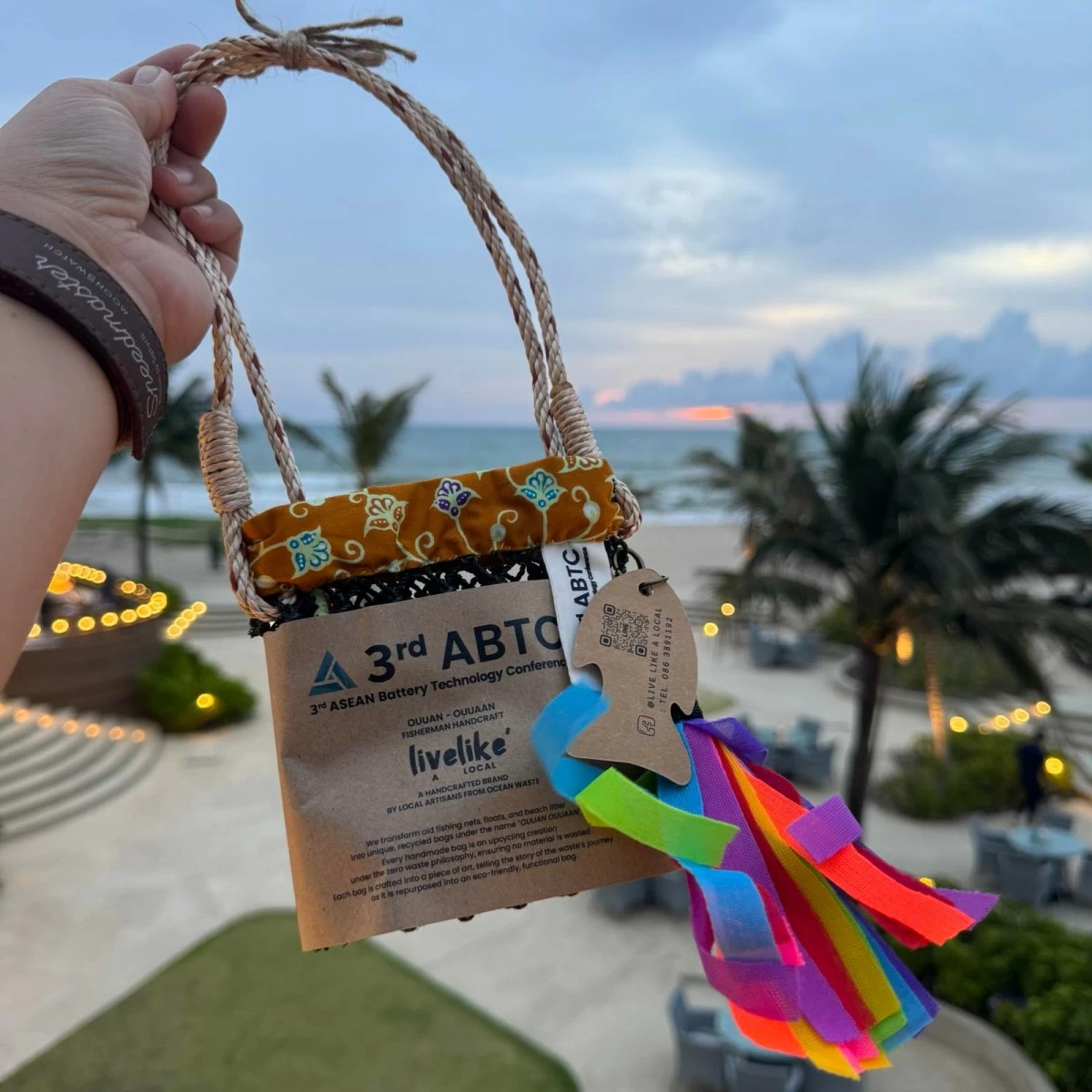
As described by Dr. Pimpa, President of TESTA (Thailand Energy Storage Technology Association), in keeping with this year’s theme of sustainability, the giveaway token at the pre-event dinner was thoughtfully crafted from recycled fishing nets—materials often left behind unintentionally by fishermen. This handcrafted item symbolizes a commitment to upcycling ocean waste and supporting eco-friendly initiatives at the 3rd ASEAN Battery Technology Conference.
This spirit comes alive through meaningful partnerships, cutting-edge research, and bold commitments from leaders across the region—all united in the goal of a greener tomorrow. The first day at Sali Laguna Phuket was marked by two significant milestones that embody this collaborative spirit. The ceremony saw the signing of eight strategic Memorandums of Understanding (MoUs), reinforcing ASEAN sponsors’ dedication to accelerating battery safety and innovation across borders. These partnerships underscore a vital truth: progress is strongest when countries combine their visions and resources.
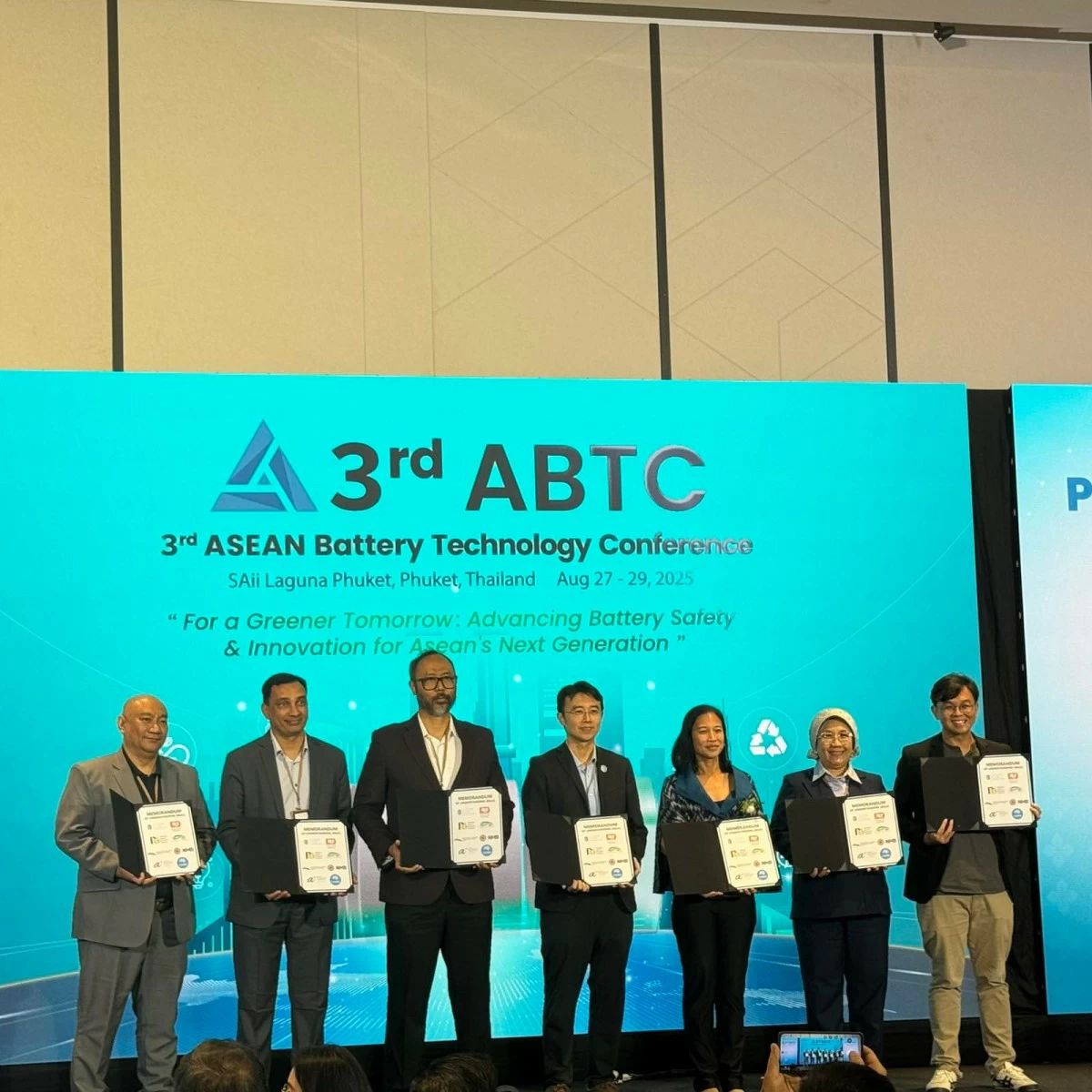
Leaders from across ASEAN proudly showcase the signing of eight strategic MOUs, strengthening collaboration and innovation in battery technology. The Philippines, actively involved since the conference’s first year in 2023, continues to play a key role in driving regional cooperation toward a safer, greener energy future for ASEAN.
Another highlight was the signing of a Strategic Cooperation Agreement between Hytzer Energy and INV Corporation—known as the 1% Hytzer & INV collaboration. This deal represents more than business; it’s a pledge to develop smarter, safer battery technologies that will energize the next generation of ASEAN’s energy landscape.
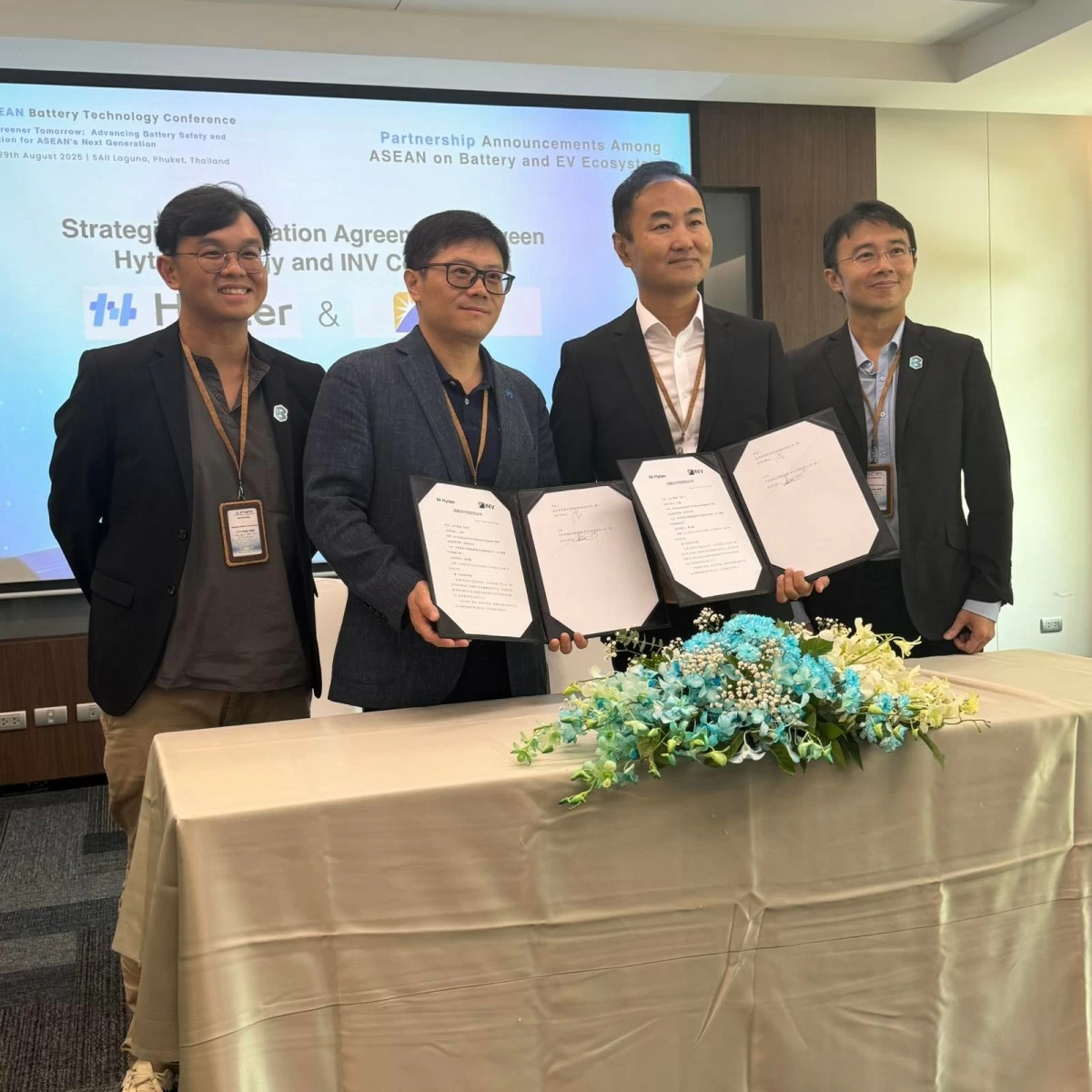
Hytzer Energy and INV Corporation sign a Strategic Cooperation Agreement to jointly advance solid-state battery technology—driving safer, high-capacity solutions for a net-zero future.
The discussions were further enriched by Professor M. Stanley Whittingham, Nobel Laureate in Chemistry (2019) and a distinguished researcher from Binghamton University (SUNY). His pioneering work in battery technology serves as a reminder that today’s innovations rest firmly on a foundation of brilliant scientific discoveries. The journey toward sustainable energy is fueled as much by knowledge as by ambition.
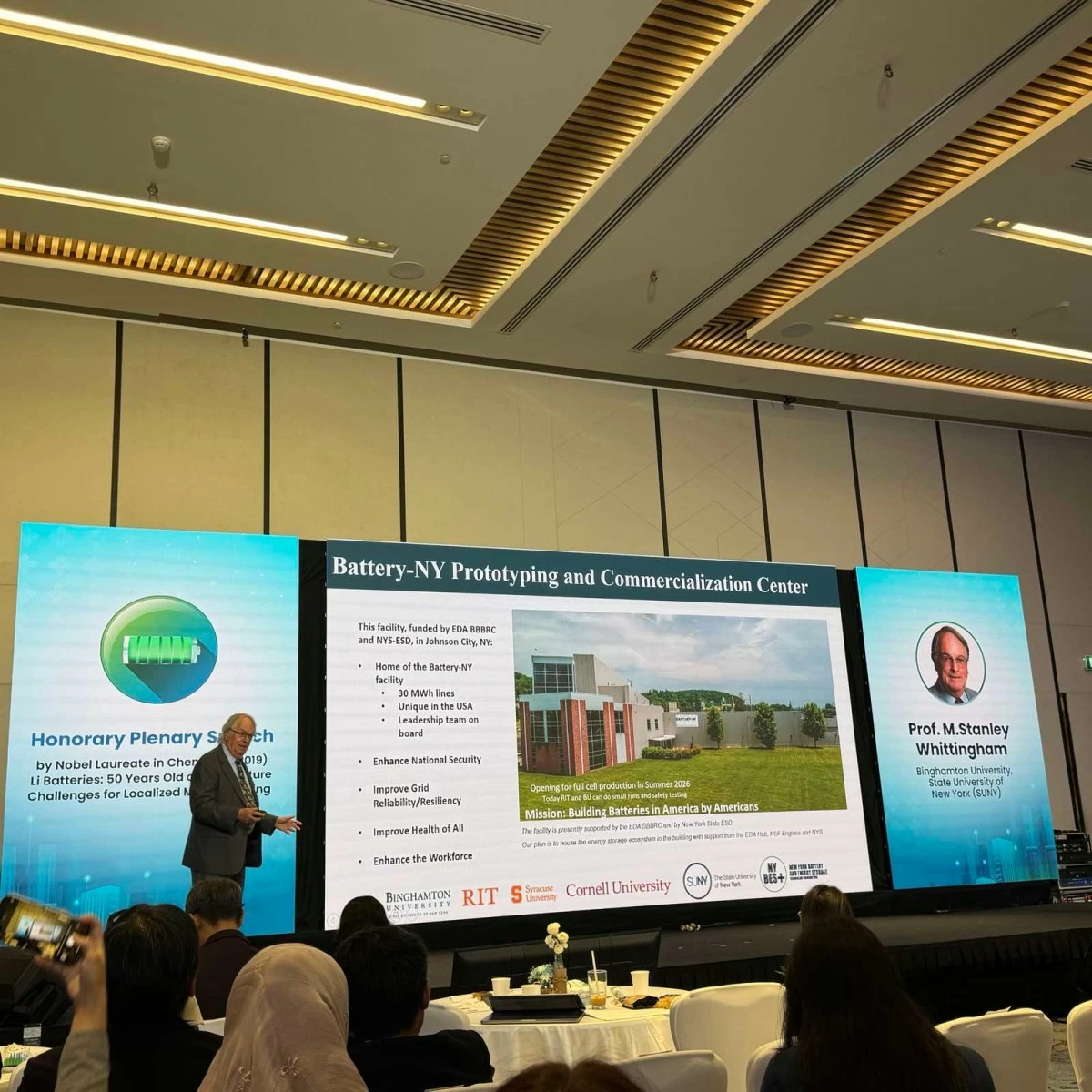
Prof. M. Stanley Whittingham, Nobel Laureate in Chemistry (2019) from Binghamton University, SUNY, delivered his honorary plenary speech on the future of lithium batteries and their critical role in advancing sustainable energy solutions during Day 1 of ABTC.
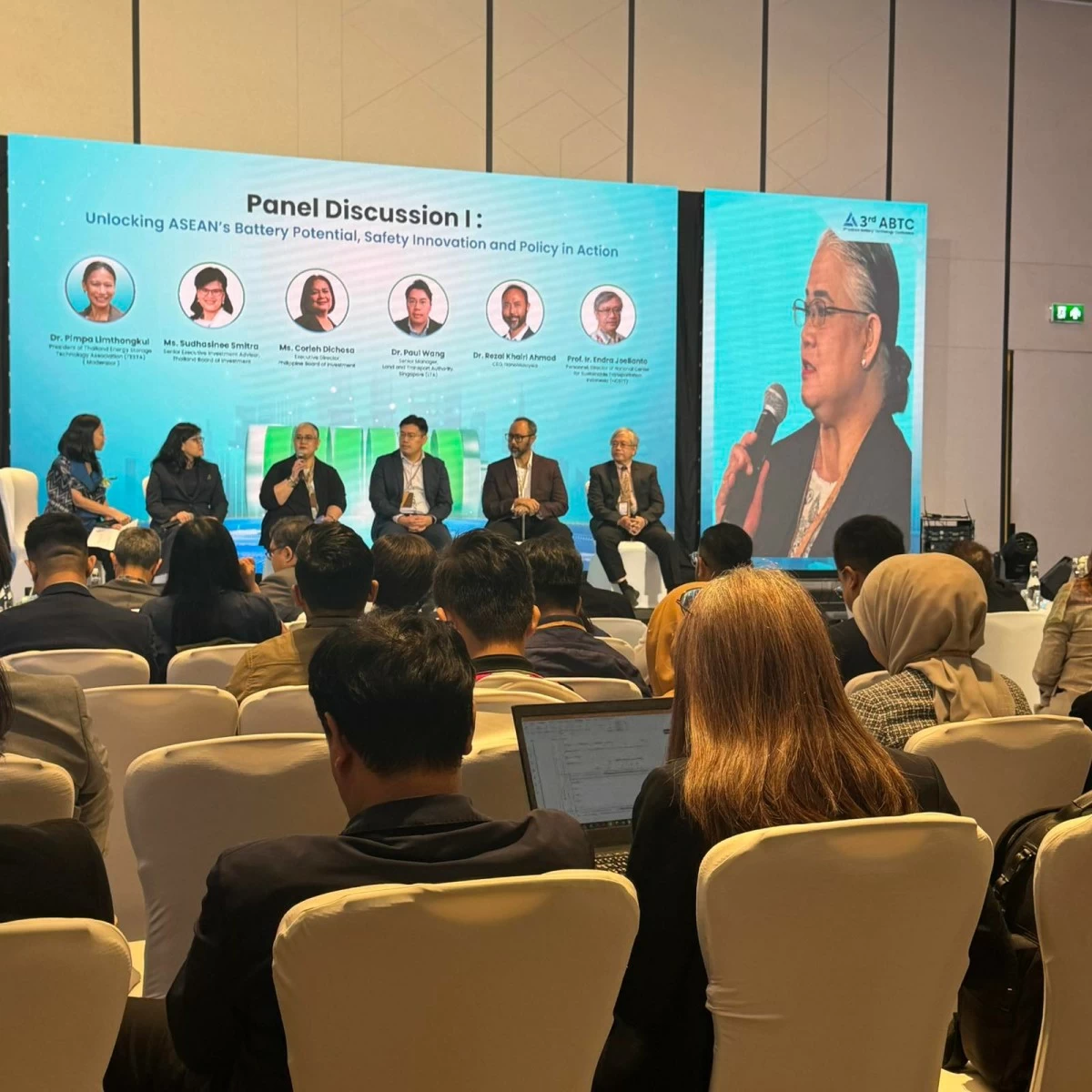
Sustainability isn’t just a theme at ABTC—it’s the core around which every discussion revolves. The conference reveals how ASEAN nations are poised to lead global green initiatives—not only by designing safer, more efficient batteries but by fostering ecosystems that nurture innovation, investment, and responsible growth.
One tangible example is the discussion with Ms. Corleh Dichosa, Executive Director of the Philippine Board of Investment, who highlighted government incentives—tax and non-tax—that encourage local and foreign investments in battery manufacturing and EV technology. The Philippines is ramping up EV adoption, supported by the 2021 EV Regulatory Amendment Act, while leveraging abundant critical minerals such as nickel, cobalt, and copper to transition from raw material exporter to battery manufacturer. The country is also partnering with groups like the Health Industry Development Association to build a fast-track ecosystem for EV adoption and battery innovation, exemplifying ASEAN’s concrete strides toward a sustainable future.
The Philippines is just beginning to ramp up electric vehicle (EV) adoption, supported by the 2021 EV Regulatory Amendment Act and ongoing promotion efforts. With abundant critical minerals like nickel, cobalt, and copper, the country aims to shift from exporting raw materials to developing local battery manufacturing, including energy storage and e-vehicle applications. As the industry grows, the Philippines is also seeking regional cooperation within ASEAN to build a sustainable and competitive battery supply chain.
The Philippines is actively partnering with groups such as the Health Industry Development Association to build a fast-track ecosystem for EV adoption and battery tech development. This concrete action exemplifies the strides ASEAN countries are taking toward a sustainable future.
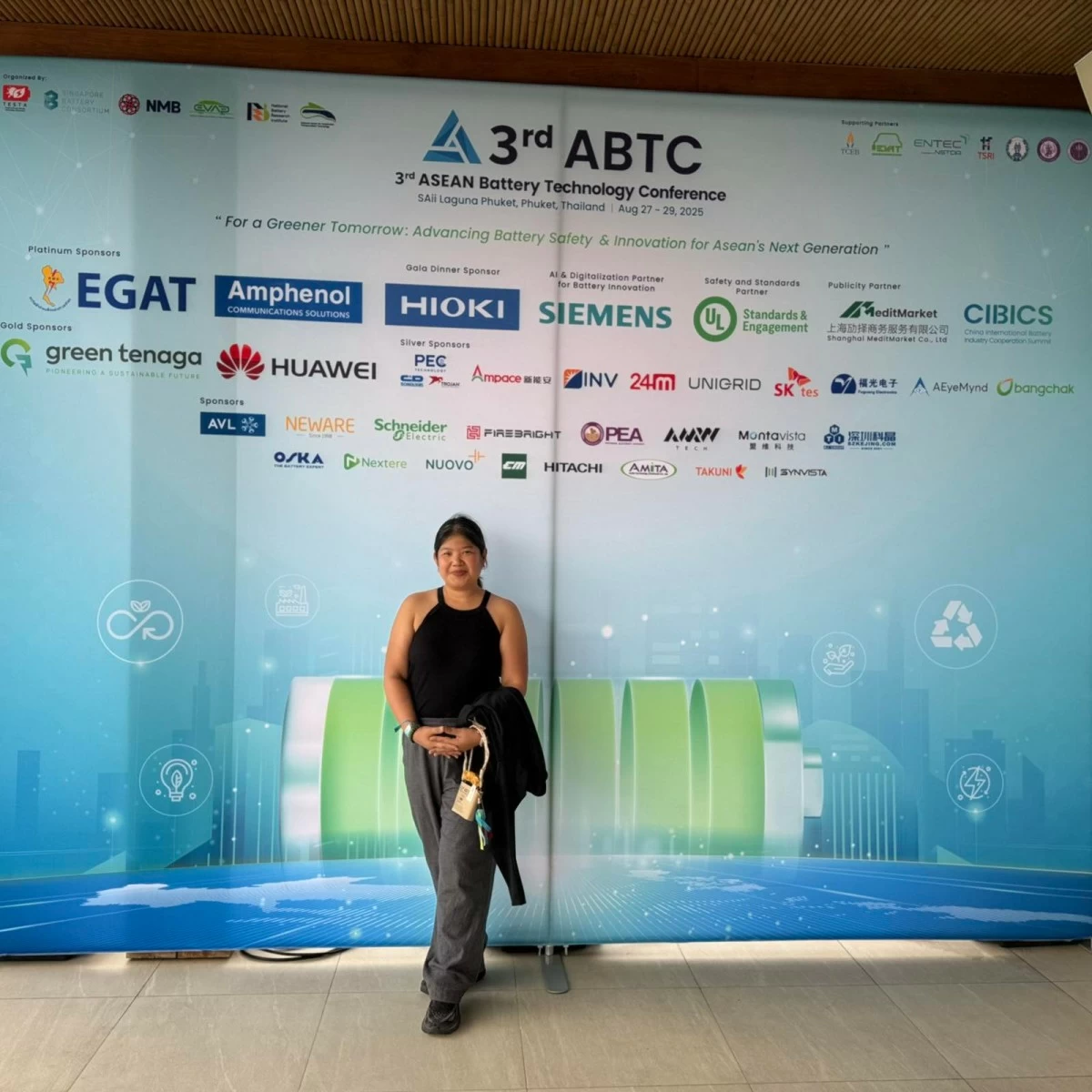
Manila Bulletin TechNews Correspondent, Millie Manahan

Manila Bulletin TechNews Correspondent, Millie Manahan, with Mr Kenneth Soh, HIOKI Executive Officer, Director of Product & Marketing Division.
Reporting on the conference for the third consecutive year, HIOKI’s presence highlights the event’s focus on quality, safety, and scientific rigor. As the conference continues over the next two days, the excitement and momentum will only grow. But these opening moments make one thing clear: ABTC is lighting the way forward for ASEAN’s sustainable energy future. This event is more than a meeting of minds—it’s a powerful call to action for a better world.
For those less familiar with technical details, the 3rd ABTC offers something essential: hope. Hope that through collaboration, innovation, and forward-thinking policies, ASEAN can build a safer, greener energy future—one that benefits not only the region but the entire planet.