






Manila Bulletin
 Business
Banking & Finance
Israel-Iran conflict seen weighing on further BSP interest rate cuts
Business
Banking & Finance
Israel-Iran conflict seen weighing on further BSP interest rate cuts
Business
Banking & Finance
Israel-Iran conflict seen weighing on further BSP interest rate cuts
Israel-Iran conflict seen weighing on further BSP interest rate cuts
Published Jun 16, 2025 01:37 pm


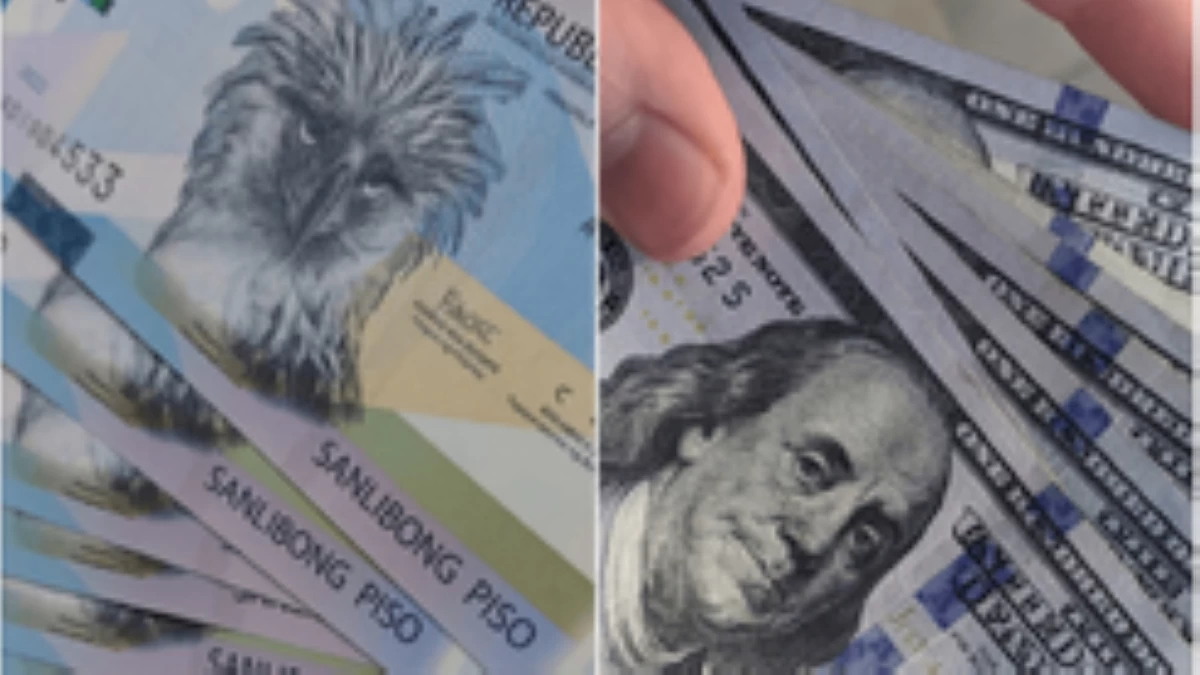
Israel's attack on Iran may pause monetary policy easing by the Bangko Sentral ng Pilipinas (BSP) while also weakening the peso, according to foreign banks.
“We think that the spike in oil prices on June 13 due to the Israel-Iran conflict is unlikely to derail the BSP's decision to cut this month, but it could weigh on the central bank's decision in the subsequent August meeting,” Deutsche Bank Research economist Junjie Huang said in a June 14 report.
Deutsche Bank Research earlier projected the BSP's policy-making Monetary Board (MB) to cut key interest rates by 25 basis points (bps) each in its June 19 and Aug. 28 policy meetings.
For Huang, what is certain for now is Thursday's 25-bp reduction in the policy rate to 5.25 percent from 5.5 percent at present, mainly on the back of three consecutive months of below-target headline inflation.
The year-on-year rate of increase in prices of basic goods and services further fell to a 5.5-year low of 1.3 percent in May, bringing the five-month average to 1.9 percent—below the targeted two- to four-percent range deemed manageable and conducive to economic growth.
“We think that both supply and demand downside pressures would likely keep inflation subdued in the coming months,” Huang said.
But for Japanese financial giant MUFG Bank Ltd., tensions between Israel and Iran may turn inflationary while putting depreciation pressure on oil import-reliant currencies like the peso.
“Brent oil prices rose to as much as $78 per barrel as hostilities between Israel and Iran continued for the fourth day, with safe-haven assets such as gold prices picking up, coupled with some modest Asian FX [foreign exchange] weakness against the dollar as markets opened,” noted MUFG Global Markets Research senior currency analyst Michael Wan in a June 16 report.
“We had Asian currencies generally on the backfoot and weaker against the dollar, with the likes of the Indian rupee, Philippine peso, and South Korean won underperforming the region heading into the weekend,” Wan said.
The peso dropped to the ₱56:$1 level last Friday.
“The dispersion of outcomes makes sense to our minds with the geopolitical conflict, given that India, the Philippines, and South Korea are meaningful net oil importers, while for Asia overall higher oil prices could add to both inflation and trade deficits more generally,” Wan added.
More expensive oil for a net importer like the Philippines would bloat the trade-in-goods as well as current account—or net dollar earnings—deficits, potentially further weakening the peso.
Just like Deutsche Bank, MUFG sees the Middle Eastern conflict as a potential deterrent to consecutive BSP interest rate reductions.
“We see these geopolitical tensions as probably delaying the path of rate cuts across Asian central banks, including from the likes of India, the Philippines, and perhaps South Korea, but should not change the ultimate destination” of monetary policy easing, Wan said.
Singapore-based DBS Bank Ltd. also stood pat in its expectation that the BSP would lower the key borrowing cost by 50 bps to reach the “terminal” level of five percent in the third quarter of this year, starting with the anticipated June 19 rate cut.
“With inflation rising by the slowest pace in six years of 1.3 percent year-on-year in May, real rate buffer is significant,” DBS Group Research chief economist Taimur Baig and FX and credit strategist Chang Wei Liang said in a June 16 report.
“Add to this, incoming activity-based indicators have been mixed besides the overhang of global uncertainties. This is likely to strengthen the case to lower rates further this quarter, followed up by another likely rate cut in the third quarter,” DBS said, referring to the BSP's June and August monetary policy meetings.