







Don't just count calories
Your answer to effectively lose weight lies here
By Cheshire Que


You underwent a calorie restricted diet, you worked out heavily, you took a lot of supplements and yet, the numbers on the weighing scale haven’t significantly dropped. Where did you go wrong?
We’ve all heard this: Calorie in and calorie out. The idea of burning the equal amount of calories you consume through exercise and physical activity is supposed to make you lose weight. At least in theory. This concept is simply outdated.
If you restrict yourself to eating 1000 calories a day yet your diet is composed of high fat, high animal protein, refined carbohydrates and lacking in fiber and phytonutrients, vitamins, and minerals, you will not lose weight. Perhaps some of you may lose weight due to the calorie restriction after a few days. However, you will easily regain it. Wouldn’t you want to sustain your weight loss and achieve a healthy weight range after all your effort?
Perhaps you burned 500 calories during a workout. You continue to have a higher metabolism for a few hours post exercise which puts you on calorie burning mode, yet you ate a 500-kcal burger for your post workout meal. Will you lose weight effectively? I’m sure you’ve done this and here you are still struggling to lose what you have regained.
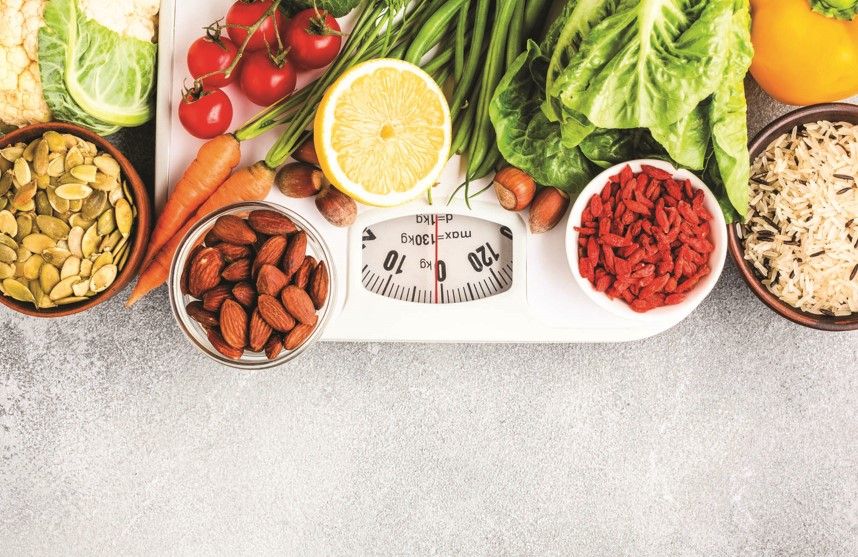
You are not losing weight because you aren’t eating fresh produce. This is the main reason and hurdle in your weight loss journey. Even if you eat just one meal a day composed of rice and meat from fish, chicken, pork, beef, or egg, if your diet does not have the plant nutrients or phytochemicals that will curb your appetite and help your cells become efficient in burning calories, calorie counting and exercise are futile.
Plant food sources have fiber that acts as food for the friendly bacteria in the gut. They undergo fermentation in the colon. This process produces chemicals or metabolites that play a role in overall health including preventing obesity and fat storage. These gut bacteria, also known as gut microbiome, microflora, or microbiota, are involved in digestion and absorption of nutrients and calories. Therefore, two individuals consuming the same amount of calories composed of the same type of food may have a differing response to food intake and its impact on their weight depending on the state of their gut microbiome.
Furthermore, fiber will help you form healthy and heavy stool. If your bowel movement is irregular, you will have a difficult time losing weight. You will also be at risk of hormonal imbalances that impact your body’s ability to store up fat and maintain a healthy weight range. Excess hormones that mess up with your metabolism is excreted through the stool. If you don’t poop regularly, you reabsorb these unwanted hormones back into your system. It is important to always check the characteristic of your stool. Is it formed? Do you move your bowels at least once a day? A healthy gut microbiome is evidenced by a healthy bowel movement.
If you want to have a robust gut microflora, you need to eat a variety of fruits, vegetables including legumes, whole grains like brown rice, oats or quinoa, nuts, and seeds every day. This concept may not seat well with you but we eat fresh produce to be healthy and to lose weight not because it tastes better than chocolate.
Aim to have fruits for dessert and snacks. You can even have it at the beginning of your meal or in the form of smoothies and slushies. You need to have at least half to one cup of cooked vegetables in every meal or double that amount if you are having raw leafy greens.
If you aren’t used to eating fresh produce, then start with small servings. From zero fruits to one fruit a day. From zero vegetables to one pot dishes, like adding more kangkong and okra to your sinigang. You can make oil-free fried rice with chopped vegetables for breakfast. Instead of having the Pinoy silog breakfasts, why don’t you have a cup of rolled oats with a cup of soymilk and a banana? Such a meal is packed with fiber and nutrients that will surely make you feel full. Try shredding some carrots and sayote to add to your spaghetti sauce. The goal is to add more life-giving food to your daily diet. As you do this, you will eventually replace unhealthy choices from ultra-processed and empty calorie food (junk food devoid of phytonutrients and fiber). That will help you lose weight and maintain it, in addition to promoting a better overall health to prevent you from chronic illnesses.
Stop counting calories if you are going on a predominantly plant-based diet from wholesome, fresh or minimally processed plant food like powdered soy or wheatgrass and the like. You can continue counting calories if you are still consuming processed food while transitioning into a predominantly wholesome, plant-based way of eating.
Here is an example of how to make your meals plant-based and fiber-rich. Both meals are approximately less than 300 kcal.
Regular Meal
½ cup white rice
One scrambled egg
One banana
Plant-based Meal
½ cup brown rice or quinoa
½ cup scrambled tofu
One banana
For comparison, here is another example of two meals that are around 500 kcal each.
Regular Meal
One Hamburger
One bun, palm-sized fried beef patty, mayo
Predominantly Plant-based Meal
One cup brown rice or quinoa
One cup cooked mixed vegetables
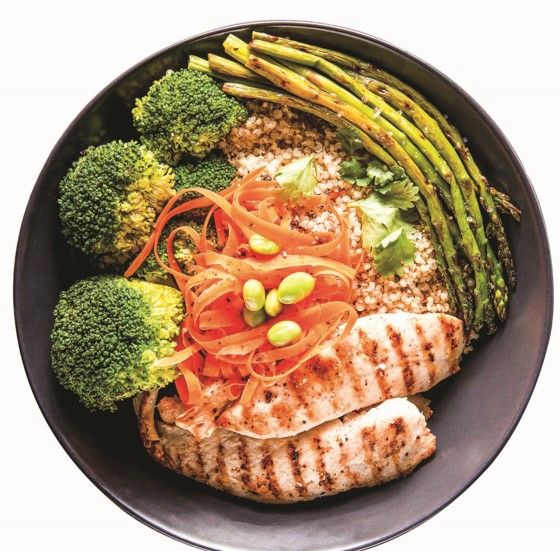
Checkbook-sized fish fillet, steamed
One banana
Which one is more filling and nutrient-rich? If you want to effectively lose weight, reflect on the quality of your food intake and not just the amount of calories that you are consuming and burning.