






 Lifestyle
Health and Wellness
Leptospirosis alert: Protect yourself after Typhoon Carina
Lifestyle
Health and Wellness
Leptospirosis alert: Protect yourself after Typhoon Carina
Leptospirosis alert: Protect yourself after Typhoon Carina
As the capital city was at a standstill, social media was inundated with images and videos of people wading through floodwaters


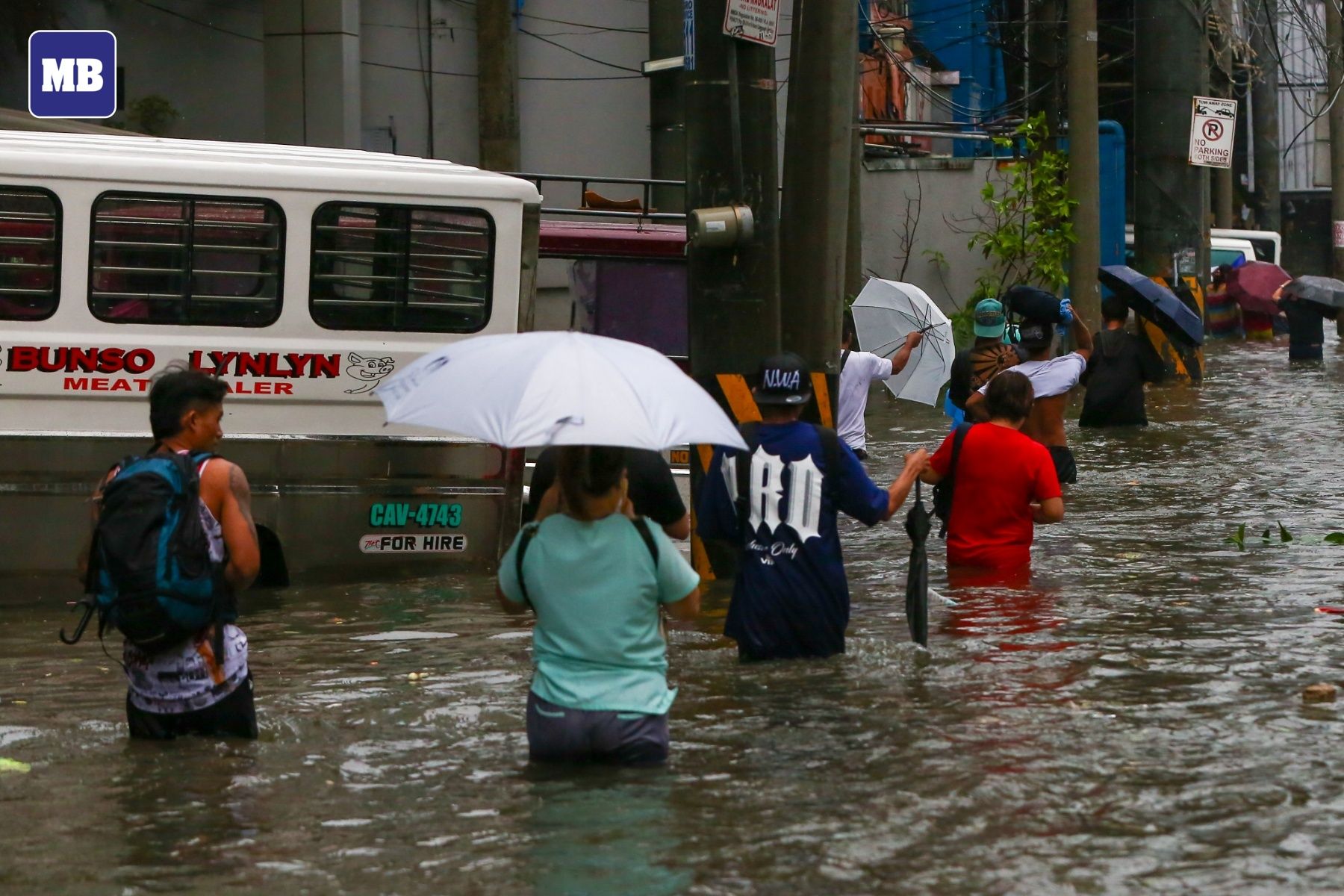
Typhoon Carina’s aftermath has left Metro Manila and other affected areas vulnerable to leptospirosis, a potentially fatal disease transmitted through the urine of infected animals.
Yesterday, as the capital city was at a standstill, social media was inundated with images and videos of people wading through floodwaters, while some youths and not-so-young citizens were seen gleefully swimming in flooded streets and tunnels of the metro.
The Department of Health (DOH) strongly urged the public to take precautionary measures to prevent this disease last Wednesday, July 24, 2024.
Health Secretary Teodoro J. Herbosa, in a press statement, advised that avoiding floods and mud is the best way to prevent leptospirosis.
“Sa mga kailangang lumusong, gumamit ng bota hanggang tuhod. Hugasan agad ang katawan ng malinis na tubig at sabon pagkatapos (For those who need to wade through floodwaters, wear knee-high boots. Immediately wash your body with clean water and soap afterwards),” he said.
“Kumonsulta agad sa doktor, wag maging kampante kasi matagal lumabas ang sintomas (Consult a doctor immediately; don't be complacent because the symptoms take a long time to appear).”
Additionally, the DOH has released an infographic on their official page regarding Leptospirosis:
Leptospirosis is a bacterial disease spread through the urine of animals, particularly rodents. People can get sick by coming into contact with contaminated water, soil, or plants.
Symptoms often include fever, vomiting, muscle aches, headache, and red eyes. In severe cases, symptoms may worsen to include jaundice, dark urine, and severe headaches. Without proper treatment, leptospirosis can cause serious problems like kidney failure, meningitis, and even death.
The bacteria enter the body through cuts or mucous membranes, commonly from exposure to floodwater mixed with infected urine. Symptoms usually appear within a month of exposure. The DOH recommends seeking medical attention immediately if you suspect you have leptospirosis and offers preventive antibiotics.
How to Prevent Leptospirosis
- Clean up immediately: Remove floodwater and debris from your surroundings as soon as possible. Wear protective gear, such as boots and gloves, when cleaning up.
- Disinfect: Use a household bleach solution to clean and disinfect areas contaminated with floodwater.
- Safe water: Drink only boiled or treated water. Avoid swimming in floodwaters.
- Personal hygiene: Wash hands thoroughly with soap and water after coming into contact with floodwater or contaminated areas.
- Cover wounds: Keep cuts and wounds covered with waterproof bandages.
- Seek medical attention: If you experience symptoms such as fever, headache, muscle aches, chills, vomiting, jaundice, or red eyes, consult a doctor immediately.
Meanwhile, Dr. Jarische Lao-Ang, a dermatologist, has joined the throngs of doctors and medical practitioners posting online, appealing to individuals exposed to floodwaters to be careful and offering tips to those affected.
The DOH offers free teleconsultation through hotline number 1552 of the National Patient Navigation & Referral Center.