

ADVERTISEMENT

Seven Lotto 6/42 bettors emerge as new millionaires in February 2024

Published Mar 2, 2024 06:40 am

In February, the Philippine Charity Sweepstakes Office (PCSO) made a noteworthy announcement, welcoming seven new millionaires through Lotto 6/42.
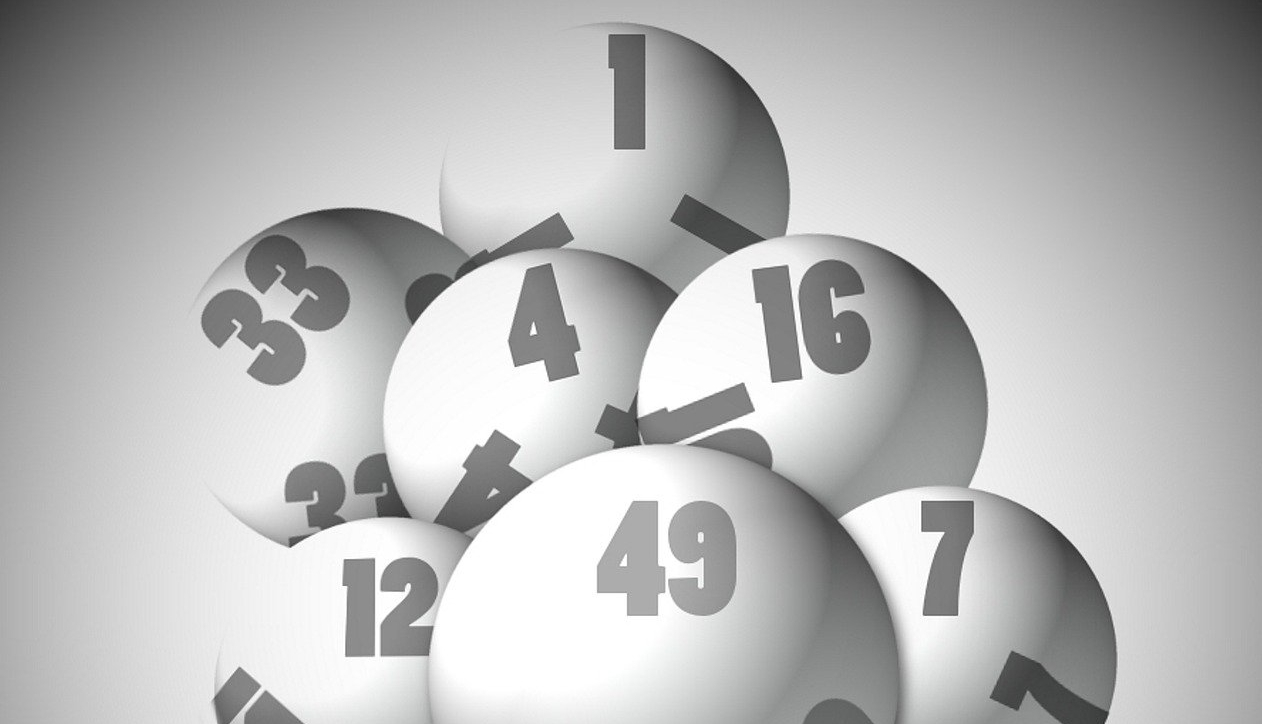
lotto-864035_1280.jpg
Photo from Pixabay

The 6/42 major draw revealed the highest number of lotto winners in Valentine's month, notably featuring some instances of back-to-back winners.

However, this occurrence is not as improbable as it may seem, considering that the Lotto 6/42 has the highest probability among all major draws to produce a lottery winner.

Mathematician and OCTA Researcher, Guido David, emphasized in a Jan. 28 interview that the chances of winning the jackpot prize in the 6/42 draw are one in five million.

He highlighted that while securing the jackpot prize consecutively is "not impossible," it is rare and has a "very little" chance of happening.

"Let's say a few hundred thousand bet for the jackpot in every draw. In each draw, the probability of winning is two percent or less. However, in consecutive draws, for example, two draws, it's two percent times two percent, so it's only 0.04 percent," said David, using a mix of English and Filipino.

"It continues to decrease; for example, in 10 consecutive draws, it has very little probability — not impossible but it's a rare occurrence," he added.

READ:

https://mb.com.ph/2024/1/28/successive-wins-of-lotto-jackpot-rare-but-not-impossible-1 

In February, there were a total of ten lotto millionaires, with seven of them striking it rich by winning the Lotto 6/42 jackpot.

According to the E-lotto app, the Lotto 6/42 jackpot winners for the month of February were as follows: February 1 (one winner), February 6 (one winner), February 8 (2 winners), February 13 (one winner), February 20 (one winner), and February 29 (one winner).


Frequent 6/43 digits appear in the spotlight of every major draw


In the February 6/42 draw, certain digit balls took center stage. Numbers such as 13, 22, 23, 27, and 31 made notable appearances, each showing up four times.

Additionally, digits like 5, 9, 11, 14, 17, 19, and 20 were observed three times during the same period.

However, it's interesting to note that digits such as 6, 8, 15, 24, 25, 34, and 42 did not make an appearance in any of the 6/42 draws throughout February.

The 6/42 draw occurs every Tuesday, Thursday, and Saturday.

Participants can select numbers from a range of one to 42, and for each entry, bettors are limited to choosing only six digits from this specified number pool.

Related Tags

lotto winners PCSO Lotto 6/42
ADVERTISEMENT
.most-popular .layout-ratio{ padding-bottom: 79.13%; } @media (min-width: 768px) and (max-width: 1024px) { .widget-title { font-size: 15px !important; } }

{{ articles_filter_1561_widget.title }}

.most-popular .layout-ratio{ padding-bottom: 79.13%; } @media (min-width: 768px) and (max-width: 1024px) { .widget-title { font-size: 15px !important; } }

{{ articles_filter_1562_widget.title }}

.most-popular .layout-ratio{ padding-bottom: 79.13%; } @media (min-width: 768px) and (max-width: 1024px) { .widget-title { font-size: 15px !important; } }

{{ articles_filter_1563_widget.title }}

{{ articles_filter_1564_widget.title }}

.mb-article-details { position: relative; } .mb-article-details .article-body-preview, .mb-article-details .article-body-summary{ font-size: 17px; line-height: 30px; font-family: "Libre Caslon Text", serif; color: #000; } .mb-article-details .article-body-preview iframe , .mb-article-details .article-body-summary iframe{ width: 100%; margin: auto; } .read-more-background { background: linear-gradient(180deg, color(display-p3 1.000 1.000 1.000 / 0) 13.75%, color(display-p3 1.000 1.000 1.000 / 0.8) 30.79%, color(display-p3 1.000 1.000 1.000) 72.5%); position: absolute; height: 200px; width: 100%; bottom: 0; display: flex; justify-content: center; align-items: center; padding: 0; } .read-more-background a{ color: #000; } .read-more-btn { padding: 17px 45px; font-family: Inter; font-weight: 700; font-size: 18px; line-height: 16px; text-align: center; vertical-align: middle; border: 1px solid black; background-color: white; } .hidden { display: none; }
function initializeAllSwipers() { // Get all hidden inputs with cms_article_id document.querySelectorAll('[id^="cms_article_id_"]').forEach(function (input) { const cmsArticleId = input.value; const articleSelector = '#article-' + cmsArticleId + ' .body_images'; const swiperElement = document.querySelector(articleSelector); if (swiperElement && !swiperElement.classList.contains('swiper-initialized')) { new Swiper(articleSelector, { loop: true, pagination: false, navigation: { nextEl: '#article-' + cmsArticleId + ' .swiper-button-next', prevEl: '#article-' + cmsArticleId + ' .swiper-button-prev', }, }); } }); } setTimeout(initializeAllSwipers, 3000); const intersectionObserver = new IntersectionObserver( (entries) => { entries.forEach((entry) => { if (entry.isIntersecting) { const newUrl = entry.target.getAttribute("data-url"); if (newUrl) { history.pushState(null, null, newUrl); let article = entry.target; // Extract metadata const author = article.querySelector('.author-section').textContent.replace('By', '').trim(); const section = article.querySelector('.section-info ').textContent.replace(' ', ' '); const title = article.querySelector('.article-title h1').textContent; // Parse URL for Chartbeat path format const parsedUrl = new URL(newUrl, window.location.origin); const cleanUrl = parsedUrl.host + parsedUrl.pathname; // Update Chartbeat configuration if (typeof window._sf_async_config !== 'undefined') { window._sf_async_config.path = cleanUrl; window._sf_async_config.sections = section; window._sf_async_config.authors = author; } // Track virtual page view with Chartbeat if (typeof pSUPERFLY !== 'undefined' && typeof pSUPERFLY.virtualPage === 'function') { try { pSUPERFLY.virtualPage({ path: cleanUrl, title: title, sections: section, authors: author }); } catch (error) { console.error('ping error', error); } } // Optional: Update document title if (title && title !== document.title) { document.title = title; } } } }); }, { threshold: 0.1 } ); function showArticleBody(button) { const article = button.closest("article"); const summary = article.querySelector(".article-body-summary"); const body = article.querySelector(".article-body-preview"); const readMoreSection = article.querySelector(".read-more-background"); // Hide summary and read-more section summary.style.display = "none"; readMoreSection.style.display = "none"; // Show the full article body body.classList.remove("hidden"); } document.addEventListener("DOMContentLoaded", () => { let loadCount = 0; // Track how many times articles are loaded const offset = [1, 2, 3, 4, 5, 6, 7, 8, 9, 10]; // Offset values const currentUrl = window.location.pathname.substring(1); let isLoading = false; // Prevent multiple calls if (!currentUrl) { console.log("Current URL is invalid."); return; } const sentinel = document.getElementById("load-more-sentinel"); if (!sentinel) { console.log("Sentinel element not found."); return; } function isSentinelVisible() { const rect = sentinel.getBoundingClientRect(); return ( rect.top < window.innerHeight && rect.bottom >= 0 ); } function onScroll() { if (isLoading) return; if (isSentinelVisible()) { if (loadCount >= offset.length) { console.log("Maximum load attempts reached."); window.removeEventListener("scroll", onScroll); return; } isLoading = true; const currentOffset = offset[loadCount]; window.loadMoreItems().then(() => { let article = document.querySelector('#widget_1690 > div:nth-last-of-type(2) article'); intersectionObserver.observe(article) loadCount++; }).catch(error => { console.error("Error loading more items:", error); }).finally(() => { isLoading = false; }); } } window.addEventListener("scroll", onScroll); });

Sign up by email to receive news.