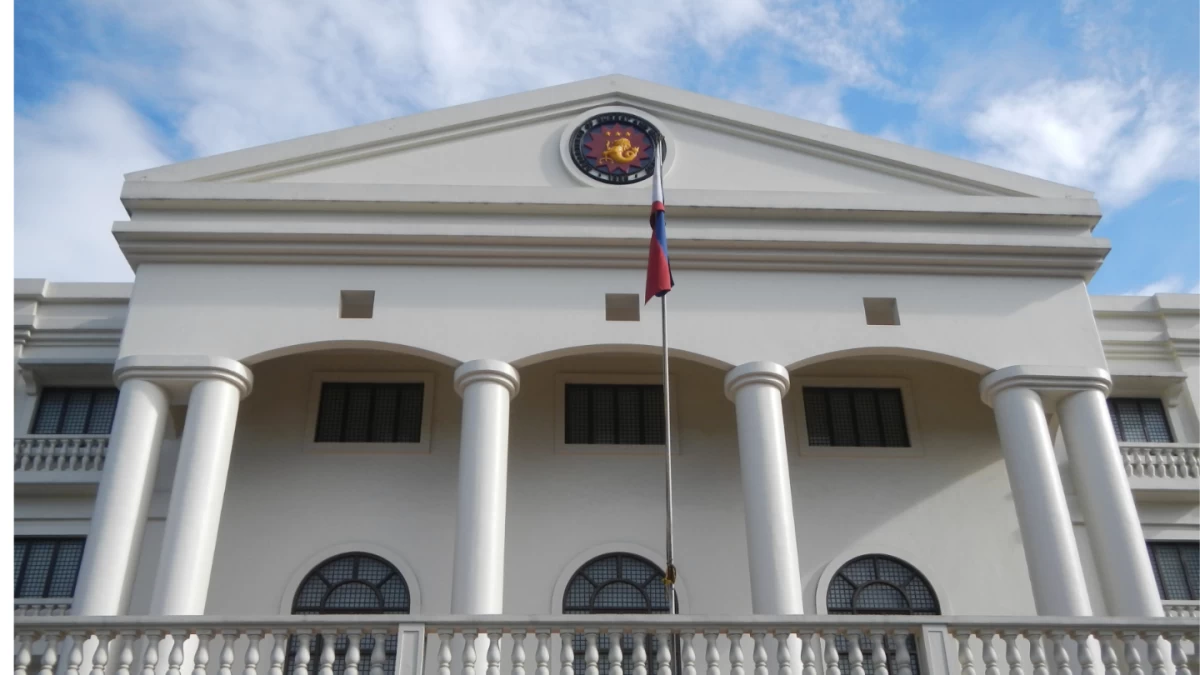
The government released ₱9.75 billion to address long-standing funding shortfalls under its tuition-free tertiary education program, clearing obligations that forced state colleges and universities to absorb costs for three academic years. In a statement on Sunday, Aug. 16, Acting Budget...
For a long time, the prevailing narrative surrounding Islamic banking in the Philippines was trapped in a narrow frame. Most consumers assumed it was a niche service exclusive to Muslim communities or strictly intended for regional development in Mindanao. Amenah “Mina” Pangandaman,...
President Marcos’ economic managers will outline their roadmap for navigating global market volatility and domestic pressure at the annual Economic Journalists Association of the Philippines (EJAP) forum on Friday, Aug. 14. Finance Secretary Frederick Go, Bangko Sentral ng Pilipinas (BSP)...
Department of Budget and Management (DBM) Secretary Kim Robert de Leon revealed that the “rigorously” reviewed, record-high ₱7.2-trillion proposed national budget for 2027 has until mid-August to reach the Lower House. De Leon told reporters on the sidelines of the post-State of the Nation...
Government infrastructure spending shrank by almost 43 percent in the first five months of the year, as tightened governance protocols and stricter validation procedures delayed capital disbursements across major public works projects. According to the latest national government disbursement report...
Government agencies’ spending efficiency weakened in the first half of 2026, with slower utilization of cash allocations leaving ₱84.3 billion in unused cash authority, largely due to lower fund utilization by the education and public works sectors. The latest Department of Budget and...
Slow budget rollouts in agriculture and education dragged down government spending in the first half of the year, offsetting the aggressive catch-up in infrastructure projects and further decelerating the Marcos administration’s fiscal disbursement pace. According to data from the Department of...
The Marcos administration will deploy ₱12.3 billion using surpluses and fresh budget allocations to settle multi-year financial arrears owed to state universities and colleges, according to a government joint administrative order. The national government plans to tap ₱7.8 billion in...
Amid recent calamities that have battered the Philippines, the government’s calamity fund shed ₱1.7 billion in June, all of which was allocated to the Department of Social Welfare and Development (DSWD). As of June 30, 2026, the National Disaster Risk Reduction and Management Fund (NDRRMF)...
The Marcos administration is proposing a record ₱7.2 trillion national budget for fiscal year 2027, an increase of six percent over the current year, as the government seeks to counteract an economic slowdown triggered by geopolitical conflict and domestic spending scandals. According to National...
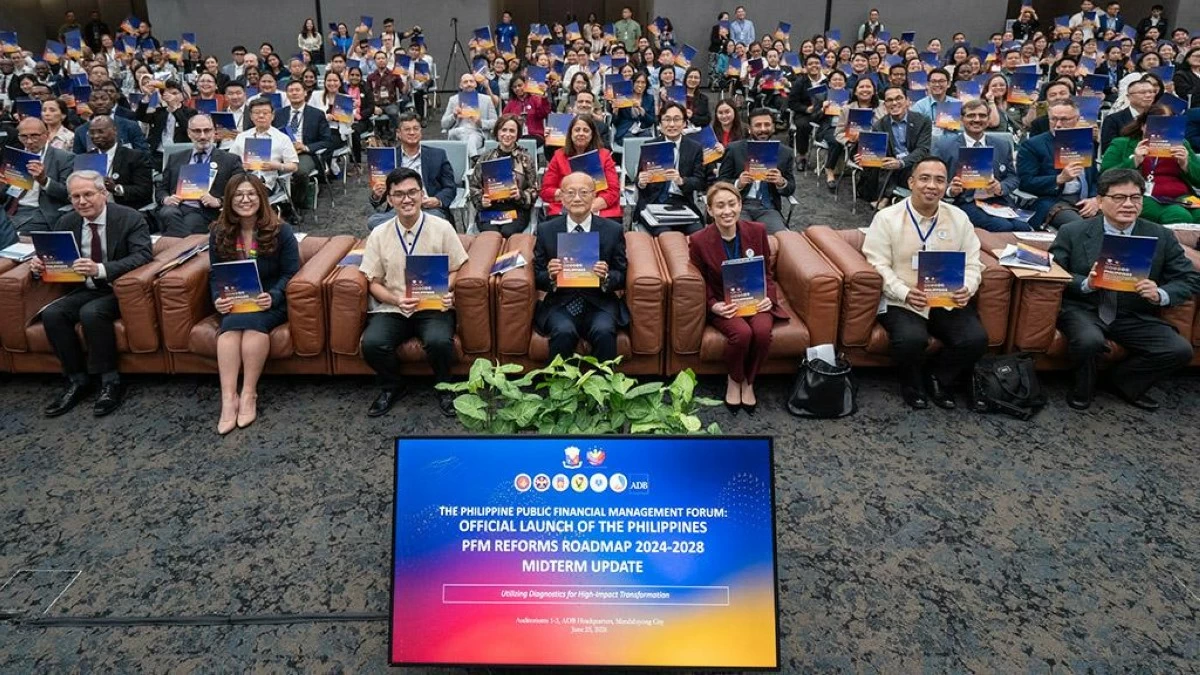
The Asian Development Bank (ADB) has backed the Philippine government’s updated roadmap to overhaul how public funds are planned, spent, and monitored, saying stronger public financial management (PFM) systems are key to improving public services, strengthening resilience, as well as guarding...
Government agencies reported a dip in spending efficiency as of May, with the utilization of cash allocations slowing compared to the same period last year and leaving ₱260.8 billion in unused cash authority. Data from the Department of Budget and Management (DBM) showed that the overall...