






Manila Bulletin
 Business
The Economy
Infrastructure spending drops 43% as governance audits stall government projects
Business
The Economy
Infrastructure spending drops 43% as governance audits stall government projects
Business
The Economy
Infrastructure spending drops 43% as governance audits stall government projects
Infrastructure spending drops 43% as governance audits stall government projects
By Derco Rosal
Published Jul 27, 2026 12:00 am
|
Updated Jul 25, 2026 02:04 pm


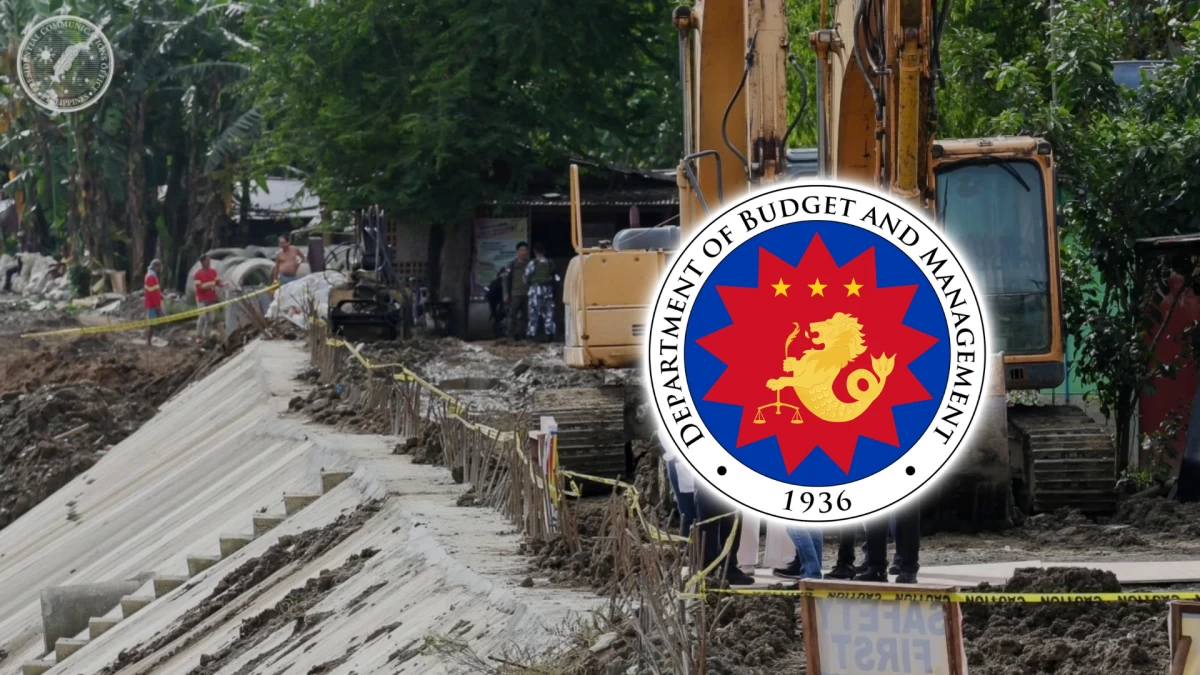
Government infrastructure spending shrank by almost 43 percent in the first five months of the year, as tightened governance protocols and stricter validation procedures delayed capital disbursements across major public works projects.
According to the latest national government disbursement report from the Department of Budget and Management (DBM), capital outlays dropped by ₱202.1 billion to ₱269.4 billion through May, compared with ₱471.5 billion in the same five-month period in 2025.
The sharp contraction, DBM said, was due to enhanced oversight and rigorous audit procedures aimed at reinforcing accountability and ensuring the prudent use of public funds. While designed to prevent leakage, the extra validation steps slowed payment processing for contractors, particularly affecting disbursements under the Department of Public Works and Highways (DPWH).
Despite the bottleneck in capital outlays, overall national government spending expanded by 4.8 percent during the period to ₱2.6 trillion compared to ₱2.48 trillion a year earlier. Total expenditure growth was sustained by non-infrastructure items, including allotment and capital transfers to local government units, interest payments and personnel services.
The slowdown was equally pronounced in monthly figures. For May alone, infrastructure and capital expenditures fell 35.3 percent year-on-year to ₱80.1 billion from ₱123.8 billion recorded in May 2025. This decline mainly reflects the “implementation of strengthened review, audit, and validation procedures for infrastructure payment claims, as well as documentary compliance requirements for contractors.”
These safeguards have delayed the disbursement of infrastructure spending, particularly on DPWH projects.
Despite the overall decline, the DBM said this was partly offset by higher spending on the Revised AFP Modernization Program, the Department of Transportation’s (DOTr) major railway projects, and the Department of Education’s (DepEd) School Building Program.
Infrastructure spending could rebound on the back of massive allotment releases, with the DBM releasing ₱403.3 billion to the DPWH in May alone, which will be earmarked for various infrastructure projects.
“Disbursement performance for the remainder of the year is expected to accelerate, supported by the continued implementation of priority programs and the release of major allotments across key sectors,” the DBM said.
This momentum is expected to be further bolstered by the Unified Package for Livelihood, Industry, Food, and Transport (UPLIFT) program, which serves as a strategic response to mitigate economic shocks during the energy crisis.