Central banks in Southeast Asia, where economies like the Philippines export a wide array of goods to the United States (US), are expected to cut interest rates some more as tariffs take effect next month, according to the think tank Capital Economics. In a July 23 report, Capital Economics senior...
While the Philippine economy has already been recovering from its deep recession during the height of the Covid-19 pandemic, hitting its growth potential of six percent would be challenging given the global uncertainties spilling over domestically, according to the Department of Finance (DOF)....
Fifteen years from now, the Philippine economy could accelerate by 6.8 percent yearly if the country continues to improve regional connectivity, productivity, and resource allocation, the Washington-based World Bank stated. According to the multilateral lender’s latest report on Philippine growth...
The Philippines’ plan to temper spending on public goods and services in a bid to narrow its budget deficit to pre-pandemic levels may slow economic growth, according to the think tank Capital Economics. “Monetary easing across the region should support consumption and investment, but tighter...
Despite limited resources, the Cabinet-level Development Budget Coordination Committee (DBCC) has approved a record-high national budget for next year at ₱6.79 trillion, with a focus on social services. Next year’s record-high budget would support sustained delivery of public goods and services...
Economy, Planning, and Development Secretary Arsenio M. Balisacan has expressed confidence that the Philippine economy can accelerate to a growth rate of 5.5 percent to 6.5 percent after downscaling from the more ambitious growth target previously. Despite concerns of slower household consumption,...
Economic managers have tweaked downwards the gross domestic product (GDP) target to 5.5 to 6.5 percent from six to 6.5 percent previously, citing the increased external uncertainties, especially the ongoing Middle East conflict and the imposition of United States (US) tariffs. Cabinet-level...
The Marcos administration, through the Department of Budget and Management (DBM), has already set its national budget priorities for 2026 based on the government’s medium-term development plan. Given the country’s “limited fiscal space,” new budget proposals will be evaluated based on their...
Amid escalating global trade uncertainty driven by tariffs, achieving upper-middle-income status may become more challenging for the Philippines in 2025 and 2026, delaying it further to later years, according to a World Bank economist. Gonzalo Varela, World Bank lead economist and program leader...
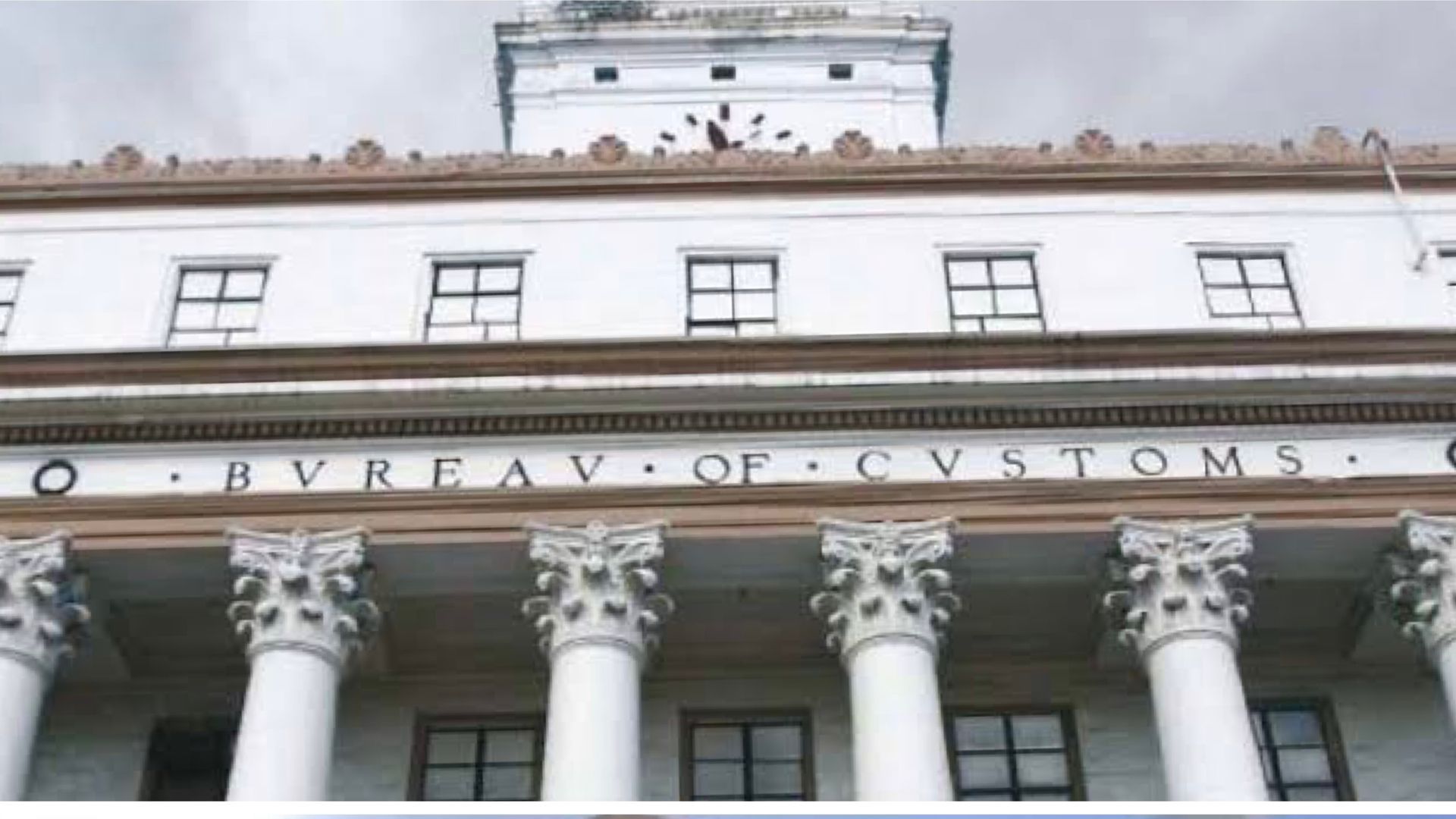
The Bureau of Customs (BOC), the government's second largest tax agency, has failed to achieve its 2024 revenue target of ₱939.6 billion, only collecting ₱931.05 billion last year. While its 2024 revenues exceeded the ₱883.21 billion in 2023, the country's second-biggest tax-collection agency...
Following the lower-than-expected expansion in 2024, the Marcos administration's economic managers are considering the possibility of adjusting this year's growth target. Speaking to reporters on the sidelines of Makati Business Club's (MBC) general membership meeting, Budget Secretary Amenah M....
Next year's midterm elections could temper government expenditures due to a scheduled ban on new spending, such that the Cabinet-level Development Budget Coordination Committee (DBCC) has urged prompt disbursements as well as implementation of programs and projects under the proposed...