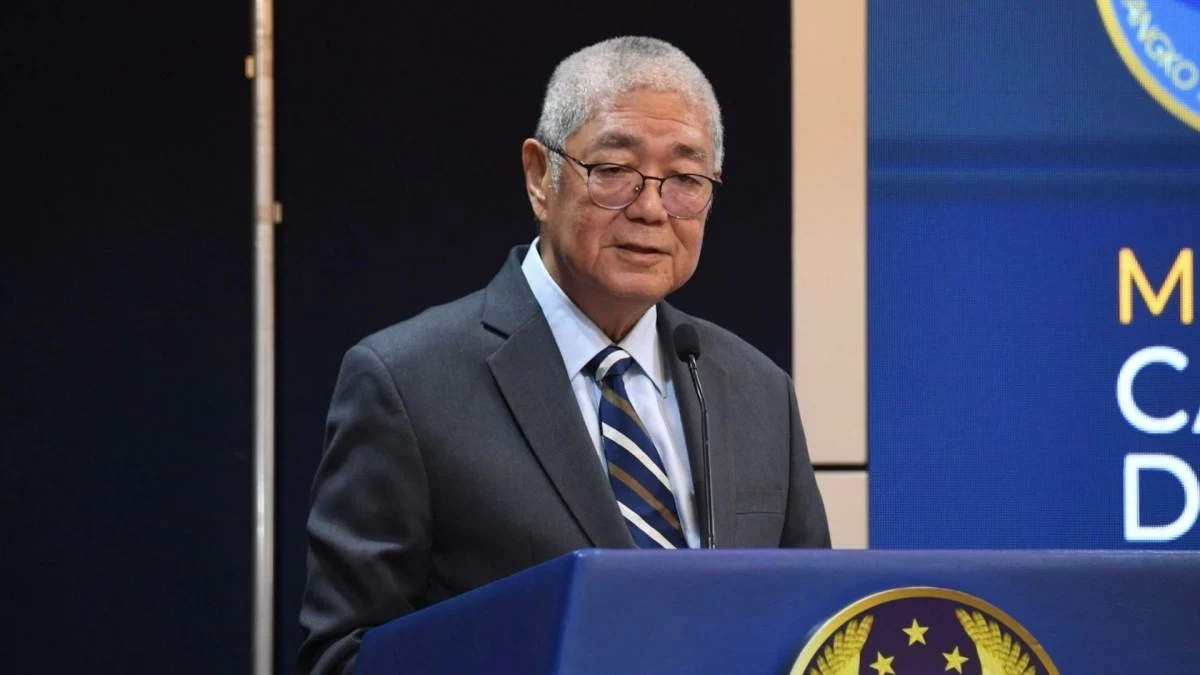
President Marcos’ economic managers will outline their roadmap for navigating global market volatility and domestic pressure at the annual Economic Journalists Association of the Philippines (EJAP) forum on Friday, Aug. 14. Finance Secretary Frederick Go, Bangko Sentral ng Pilipinas (BSP)...
United Overseas Bank (UOB) is calling for the Bangko Sentral ng Pilipinas (BSP) to raise its key interest rate to five percent at its upcoming policy meeting on Aug. 27, forecasting a final quarter-point increase to counter sticky inflation and support weakening peso. The Singapore-based lender...
Frankfurt-based Deutsche Bank expects the Bangko Sentral ng Pilipinas (BSP) to deliver another interest rate hike at its upcoming Aug. 27 policy meeting, despite slowing headline inflation and underperforming economic growth. In a commentary, Deutsche Bank projected a quarter-point increase this...
Foreign direct investment (FDI) net inflows into the Philippines plunged to $210 million in May, the lowest monthly total in more than 11 years as global economic volatility and geopolitical tensions prompted foreign companies to delay capital commitments. According to the latest data from the...
Pressure on the Bangko Sentral ng Pilipinas (BSP) to raise its benchmark interest rate has eased after economic growth slowed to a post-pandemic low in the second quarter of the year, according to the central bank officials. Speaking to reporters on the sidelines of the central bank’s...
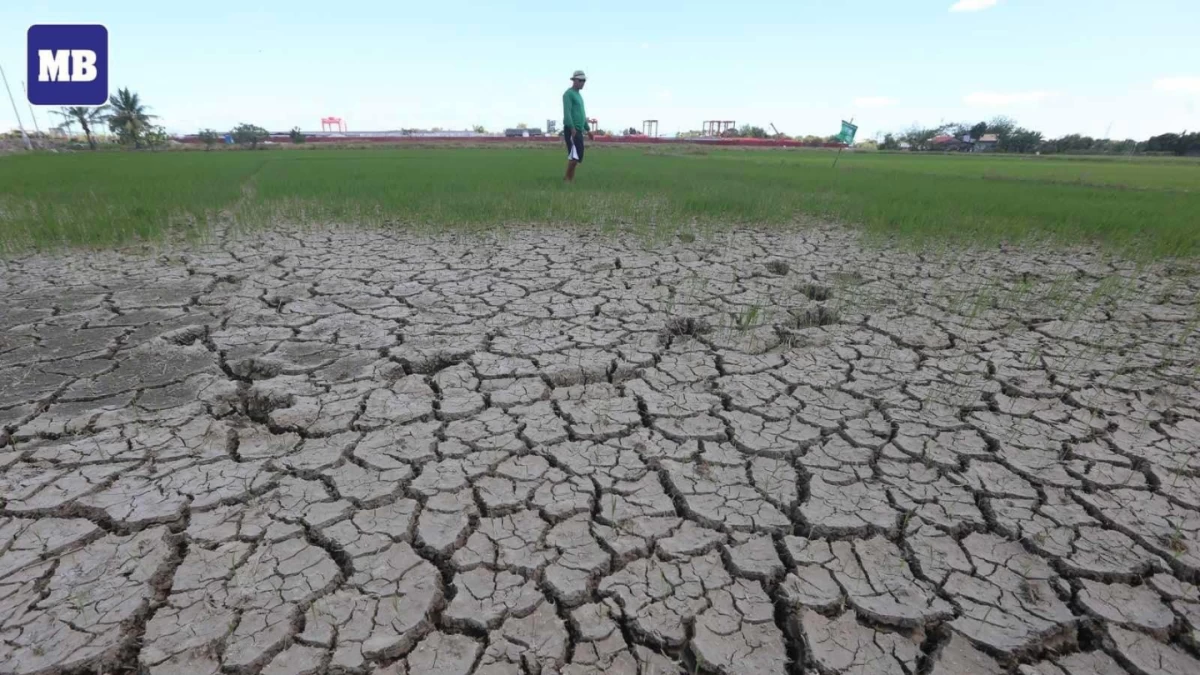
The Philippines faces difficulty bringing inflation back within target as a strengthening El Niño threatens to damage crops and push food prices higher, with the country already posting the highest inflation rate in the region, according to Moody’s Analytics. In an Aug. 7 report, Moody’s...
Even with weaker-than-expected economic growth in the second quarter and expectations of muted expansion for the year, Japanese investment bank Nomura Holdings Inc. expects the Bangko Sentral ng Pilipinas (BSP) to continue raising key borrowing costs to bring inflation back to its three percent...
Consumer complaints handled by the Bangko Sentral ng Pilipinas (BSP) surged 72.6 percent to over 120,000 last year, driven by heightened public awareness of the central bank’s redress channels alongside the rapid adoption of digital financial services. “Under its Consumer Assistance Mechanism...
The Philippine economy faces an uphill battle in the second half of 2026 after posting its weakest post-pandemic growth, with private sector economists warning that faster infrastructure spending, easing inflation, and stronger investor confidence will determine whether the country can meet the...
Despite a rebound in gold prices, the Philippines’ gross international reserves (GIR) dropped to a 17-month low of $103.4 billion in July, weighed down by central bank operations and government debt payments. Preliminary data released by the Bangko Sentral ng Pilipinas (BSP) on Friday, Aug. 7,...
Filipino consumers face a renewed risk of higher retail prices as manufacturers move to pass escalating production costs onto buyers, according to a Goldman Sachs Group Inc. report obtained by the Manila Bulletin. In the commentary, Goldman Sachs economists Chris Poh and Danny Suwanapruti noted...
Singapore-based Oversea-Chinese Banking Corp. Ltd. (OCBC) holds one of the most hawkish outlooks on local monetary policy, pricing in a 25-basis-point (bp) rate hike at each of the remaining policy meetings in 2026 on expectations that inflation will stay elevated. OCBC Group Research expects...