







Philippines formally unifies ube industry for global push
Published Aug 17, 2026 02:07 pm


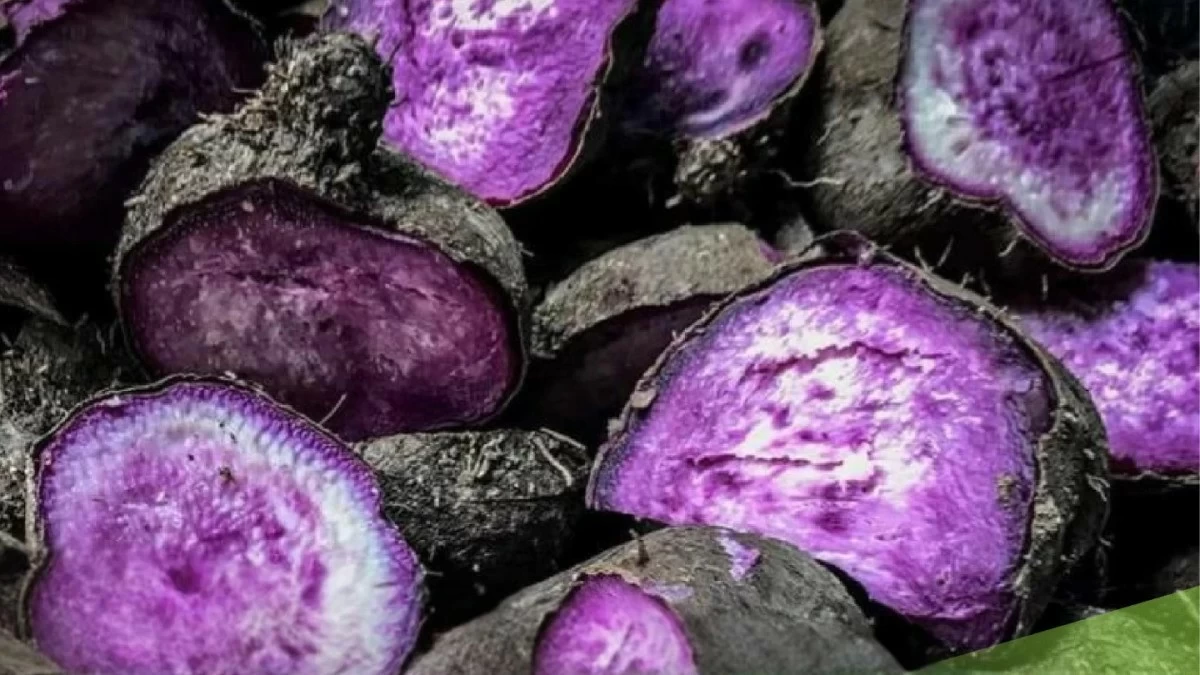
The country’s ube stakeholders have formed a nationwide industry group to improve coordination in response to the growing popularity of the root crop in the international market, according to the Department of Agriculture (DA).
In a statement on Monday, Aug. 17, the DA welcomed the creation of the United Ube PH Association Inc., which consolidates the entire ube industry supply chain under a common identity and direction.
United Ube PH brings together farmers, cooperatives, growers, processors, traders, and exporters, as well as researchers, the academe, and government agencies to give ube a stronger voice and a wider reach.
The formation of the group follows an industry meeting led by the DA in July, which identified the need for a unified organization to provide a common national identity for the industry.
United Ube PH has since been registered with the Securities and Exchange Commission (SEC) this month as a non-stock, non-profit organization representing the local ube industry.
Agriculture Secretary Francisco Tiu Laurel said the development is timely, as the agency works on developing ube into one of the country’s top agricultural exports, especially with its surging popularity abroad.
“This organization gives the ube industry a stronger advocate and a clearer path to market. We want Philippine ube to become one of our export winners, and that means building an industry strong enough to meet global demand while ensuring our farmers capture more of its value,” he said.
With members across the country, United Ube PH has already been working with different government agencies, local government units, and business organizations on concrete strategies to meet strong foreign demand.
Current production of ube is estimated at around 50 to 60 metric tons per farmer, but this is expected to increase further through better supply coordination and wider access to quality raw materials, according to the DA.
The industry group is currently working on a bilateral agreement with the DA to enhance cooperation between the government and ube stakeholders and identify areas for joint intervention.
It is also building market partnerships by onboarding institutional buyers through long-term supply and purchase agreements. The group most recently held exploratory discussions with Philippine and German business chambers, paving the way for stronger trade linkages.
The group is also actively adding more farmers, processors, traders, exporters, researchers, and other stakeholders under its fold through its nationwide membership campaign.
United Ube PH is set for launch at the upcoming ASEAN-HWONFEX 2026 next month in Manila, where it will showcase ube products and connect with potential buyers, investors, and business partners.
The group is also preparing for the 1st National Ube Forum in Pagadian City, Zamboanga del Sur, which is also set for September. (Dexter Barro II)