






Manila Bulletin
 Business
The Economy
Peso faces fresh slump as US tariff threats, energy costs mount
Business
The Economy
Peso faces fresh slump as US tariff threats, energy costs mount
Business
The Economy
Peso faces fresh slump as US tariff threats, energy costs mount
Peso faces fresh slump as US tariff threats, energy costs mount
By Derco Rosal
Published Jul 17, 2026 02:10 pm


At A Glance
- Potential United States (US) tariff hikes on Philippine exports pose a new threat to the peso, which has remained among Asia's weakest-performing currencies since the US-Iran war flared up in late February.
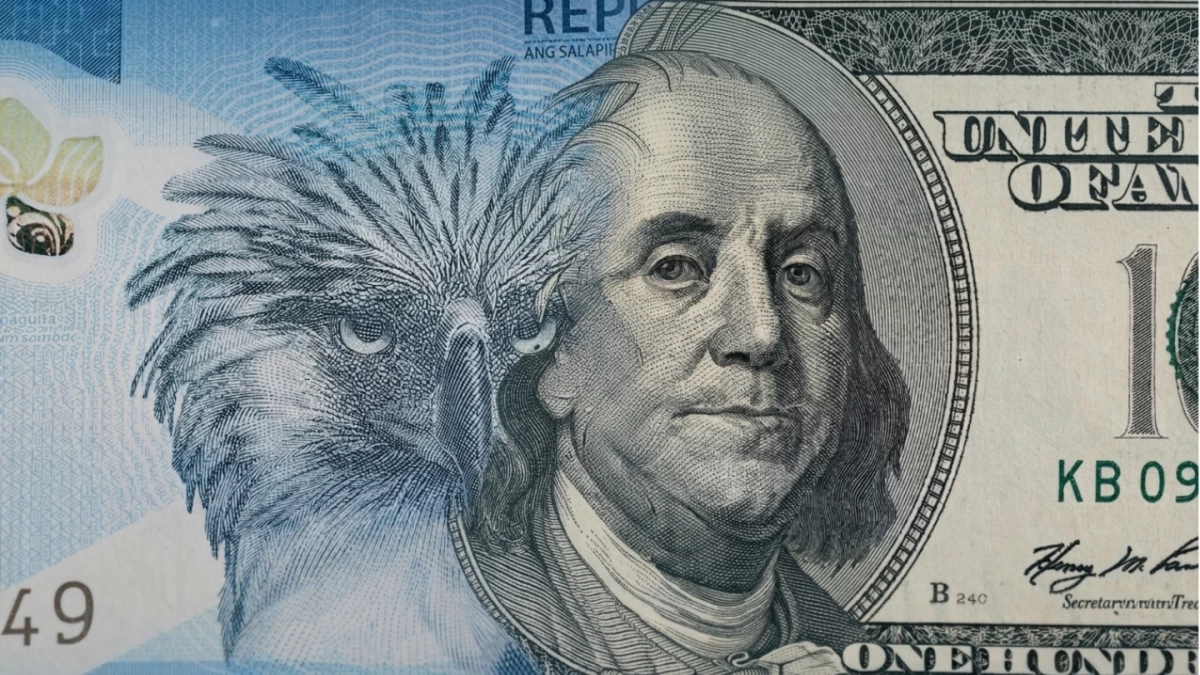
Potential United States (US) tariff hikes on Philippine exports pose a fresh threat to the peso, which has remained among Asia’s weakest-performing currencies since geopolitical tensions flared up in the Middle East in late February.
Trading this week showed the local currency on the verge of plunging to another record low, driven by its high exposure to fluctuating energy costs tied to ongoing geopolitical tensions in the Middle East.
BMI, a Fitch Solutions research unit, expects the peso to remain under pressure and trade within a ₱61.00:$1 to ₱63.00:$1 range over the next few months, weighed down by a strong greenback and seasonal import demand.
According to BMI’s latest currency forecast, the local unit is struggling to stabilize as regional instability drives up the cost of essential commodities. The renewed escalation in US-Iran tensions has weakened the peso to trade near its historic low of around ₱61.61 per dollar. This vulnerability stems largely from the nation’s extreme energy dependence, as higher global oil prices worsen the country’s external position and pile pressure on the currency.
Recent data highlight this trend: import growth averaged 22.1 percent year on year between March and May—a significant spike from the 7.9 percent recorded in the preceding two months. BMI cautioned that these external pressures are unlikely to abate soon.
"Seasonal factors are also unfavourable, as import demand typically peaks in the third quarter, suggesting external pressures could intensify further in the coming months," the research unit noted.
Compounding these struggles is a persistent drought in long-term capital support.
“Weak foreign direct investment (FDI) inflows offer little relief,” BMI said, pointing out that inflows shrank by 17 percent in the first quarter of 2026, extending a slump that began in late 2024. BMI analysts expect heightened geopolitical tensions and trade policy uncertainties to continue deterring investors, limiting any near-term appreciation for the peso.
A looming shift in American trade policy stands as another major headwind.
“US tariff developments pose a further depreciatory risk,” BMI said, anticipating more targeted tariffs against countries that breach trade deals or engage in discriminatory trade practices. If these trade measures become “broader or more punitive,” they could intensify risk-off sentiment, weigh on capital flows, and drag the peso down further.
Consequently, BMI has downgraded its medium-term outlook. "We expect peso weakness to persist into 2027," it said, forecasting the peso to average ₱60.00:$1—weaker than its previous assumption of ₱58.50:$1.