






Manila Bulletin
 Lifestyle
Health and Wellness
How to prevent nutrition-related problems during conception
Lifestyle
Health and Wellness
How to prevent nutrition-related problems during conception
Lifestyle
Health and Wellness
How to prevent nutrition-related problems during conception
How to prevent nutrition-related problems during conception
Everything you need to know about pregnancy and plant-based nutrition
By Cheshire Que
Published May 11, 2026 11:39 am


At A Glance
- Having an unhealthy diet during pregnancy can cause blood pressure to rise and develop into pre-eclampsia, which is a potentially fatal blood pressure disorder.
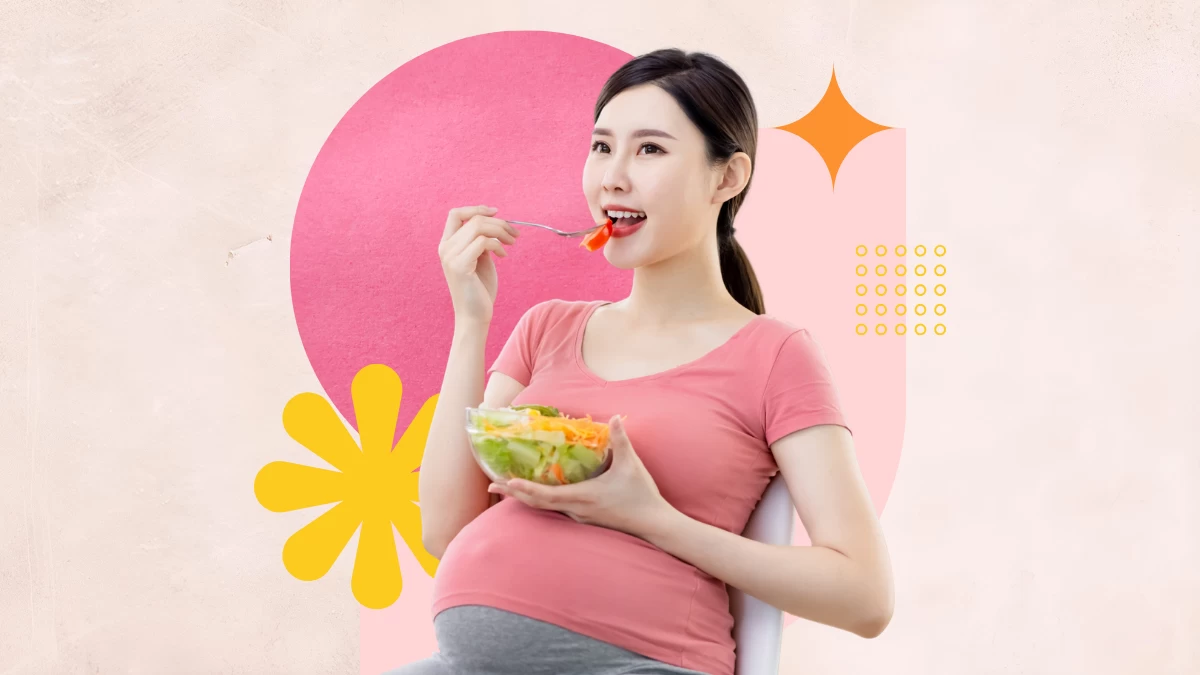
Conceiving a child is a joy and a blessing to many women. However, a mother’s journey throughout the pregnancy and after is not a walk in the park. A mother’s physical, emotional, and mental health must never be neglected at any stage of pregnancy.
Nutrition plays a huge role during the entire period of pre-conception, the gestational period of about 40 weeks, and six to eight weeks post-partum.
Have you ever been told that you must eat for two during pregnancy? While mothers need to be well nourished, eating for two is not a requirement. In fact, if the mother is at a normal weight range, the first three months of pregnancy or the first trimester do not require any additional calories as long as the intake is adequate. Weight gain is not expected during this time. The baby inside the womb, however, must continuously grow in size and weight. Doubling one’s intake will cause unnecessary weight gain and excess body fat, which will lead to health problems, especially during delivery.
The quality of the mother’s food intake, however, must be nutrient-rich and include wholesome, minimally processed plant food sources. Simply put, staples in her daily diet must include fresh fruits, vegetables, whole grains from brown, red, or black rice, quinoa, adlai, oats, nuts, and seeds. As for protein sources that will help with the optimal growth and development of the fetus, plant-based protein from vegetables, grains, legumes, and seeds can provide complete protein for as long as the diet is varied and carefully planned. It is best to consult a registered nutritionist or dietitian should a mother choose to adopt a plant-predominant way of eating.
According to the position statement of the Academy of Nutrition and Dietetics, appropriately planned vegetarian, including vegan, diets are healthful, nutritionally adequate, and may provide health benefits for the prevention and treatment of certain diseases. These diets are appropriate for all stages of the life cycle, including pregnancy, lactation, infancy, childhood, adolescence, older adulthood, and for athletes. Plant-based diets are more environmentally sustainable than diets rich in animal products because they use fewer natural resources and are associated with much less environmental damage. Vegetarians and vegans are at reduced risk of certain health conditions, including ischemic heart disease, type 2 diabetes, hypertension, certain types of cancer, and obesity. Low intake of saturated fat and high intakes of vegetables, fruits, whole grains, legumes, soy products, nuts, and seeds (all rich in fiber and phytochemicals) are characteristics of vegetarian and vegan diets that produce lower total and low-density lipoprotein cholesterol levels and better serum glucose control. These factors contribute to the reduction of chronic disease. Vegans need reliable sources of vitamin B-12, such as fortified foods or supplements.”
Having an unhealthy diet during pregnancy can cause blood pressure to rise and develop into pre-eclampsia, which is a potentially fatal blood pressure disorder. Gestational diabetes can also develop when blood glucose becomes uncontrolled. These medical conditions can affect the baby, as well as cause complications during delivery. There is a solution to these conditions. There is also a way to prevent it, and prevention is always better than a cure. The key to preventing nutrition-related complications during pregnancy is a balanced and healthy diet that is predominantly plant-based.
For mothers who choose to still consume animal meat and animal products, it is important to make sure that the intake of plant food sources is greater than the intake of fish and seafood, eggs, poultry, and lean meats. It is important to avoid processed and ultra-processed products like hot dogs, corned beef, bacon, luncheon meat, and the like. These are not only high in unhealthy fats but also in sodium and even refined sugar. All of which are the culprits in raising blood pressure and blood sugar levels.
Oftentimes, mothers are recommended to take a special milk formulated for pregnant women. It is, however, best to avoid all animal milk because it has been linked to insulin resistance and metabolic syndrome. Soymilk is the best substitute for cow’s milk, as well as other animal-based dairy products. Soy is considered a complete protein source that could rival milk because it contains beneficial hormone-balancing and anti-inflammatory plant nutrients or phytonutrients that milk will never be able to provide.
Wholesome and minimally processed plant food sources also provide fiber that aids with common constipation and hemorrhoids associated with pregnancy. Green leafy vegetables like our locally and widely available malunggay are rich in iron, Vitamin C, and folate. It will help with iron-deficiency anemia, which is also common during pregnancy. It is important to consume at least one and a half cups of cooked vegetables per day or more during pregnancy. Consuming fruits and vegetables also helps lower blood pressure because they contain potassium. It helps flush out sodium from the body. Excess sodium causes water retention and may potentially increase blood pressure. Learn how to flavor your dishes with herbs and spices to avoid adding table salt and condiments like soy sauce during mealtime.
Are you scared of eating fruits because they contain sugar? Fruits naturally contain sugar and fiber. Having two to three servings of fruits a day will not significantly increase one’s blood sugar. In fact, fruits will provide vitamins and plant nutrients that will nourish the mother’s body. Have a medium-sized fruit or half a cup of sliced fruit for dessert or as a snack instead of having calorie-laden, sugary, and high-fat sweets and processed snacks. The increase in blood sugar from fresh fruit consumption is nothing compared to the damaging effects of processed snacks.
Consult a registered nutritionist or dietitian to know more about plant-based nutrition to prevent nutrition-related problems during and after pregnancy.