







Duterte case moves forward as ICC names trial chamber judges
ICC constitutes Trial Chamber for former president Rodrigo Duterte's case, naming three judges as proceedings move toward trial over alleged crimes against humanity
Published Apr 28, 2026 05:40 pm


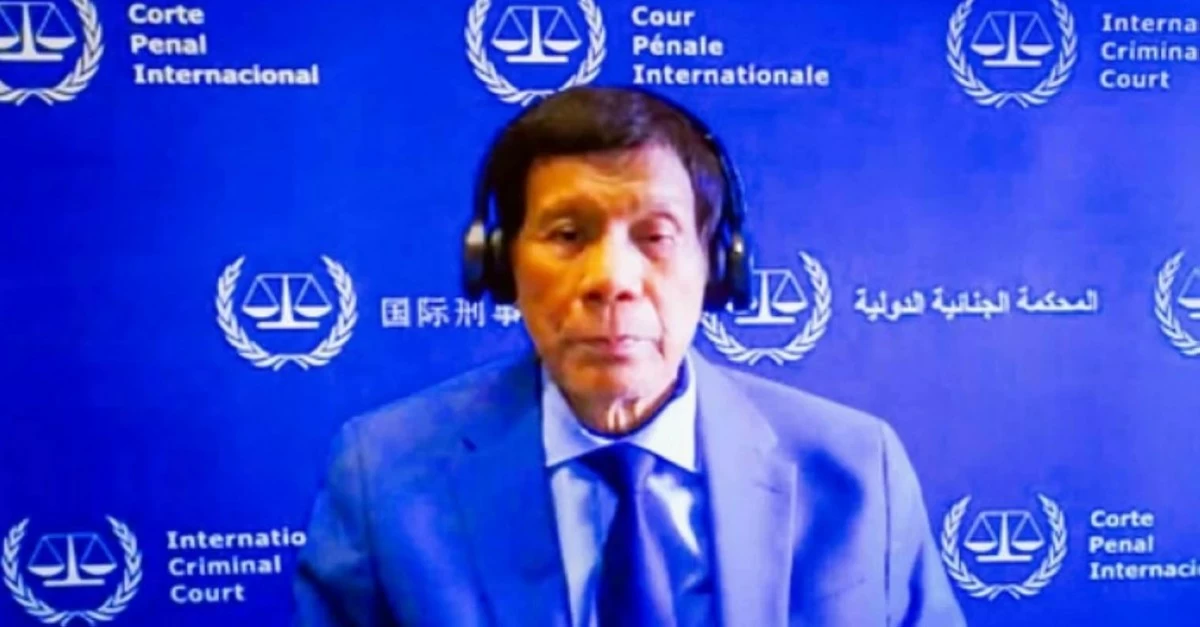
The International Criminal Court constitutes the Trial Chamber for former President Rodrigo Duterte’s case, naming three judges as proceedings advance toward trial over alleged crimes against humanity tied to his anti-drug campaign. (Former President Rodrigo Duterte / ICC Photo)
The International Criminal Court (ICC) announced it has formally constituted the Trial Chamber in the case against former President Rodrigo Duterte, marking a key step toward the start of trial proceedings over alleged crimes against humanity linked to his anti-drug campaign.
In a decision dated April 24, the ICC Presidency said the chamber will be composed of Judges Joanna Korner, Keebong Paek, and Nicolas Guillou.
Trial preparations and next steps
Following its constitution, the Trial Chamber is expected to hold a series of status conferences and consultations with both the prosecution and the defense.
These sessions will determine the timetable for the trial and establish procedures to ensure a fair and expeditious process.
Among the key preliminary matters the chamber will address are the schedule and format of evidence disclosure, procedural rules governing trial conduct, and coordination between parties and participants.
The ICC said these steps are essential to streamline proceedings before the formal trial begins.
Charges stem from Duterte’s drug war
The development comes a week after ICC pre-trial judges unanimously confirmed charges of crimes against humanity against Duterte.
The charges are tied to his administration’s controversial war on drugs, covering the period from November 1, 2011, to March 16, 2019, including his tenure as Davao City mayor and later as president.
Duterte, now 81, is poised to become the first Asian former head of state to stand trial before the ICC, a court that prosecutes individuals accused of the gravest international crimes such as genocide, war crimes, and crimes against humanity.
Aside from an initial court appearance via videolink in March 2025, Duterte has not made a public appearance since his arrest and transfer to The Hague.
Under the Rome Statute, the accused must be physically present during trial proceedings, meaning Duterte might appear before the court once the trial formally begins.
The constitution of the Trial Chamber signals that the case is entering its final preparatory phase before trial.
The exact start date will be determined after consultations and procedural rulings in the coming weeks.
The proceedings are expected to draw global attention, given Duterte’s high-profile leadership and the broader implications for international justice and accountability.
RELATED STORY: