ADVERTISEMENT

ICC confirms charges vs Duterte, orders trial to proceed

Published Apr 23, 2026 04:55 pm
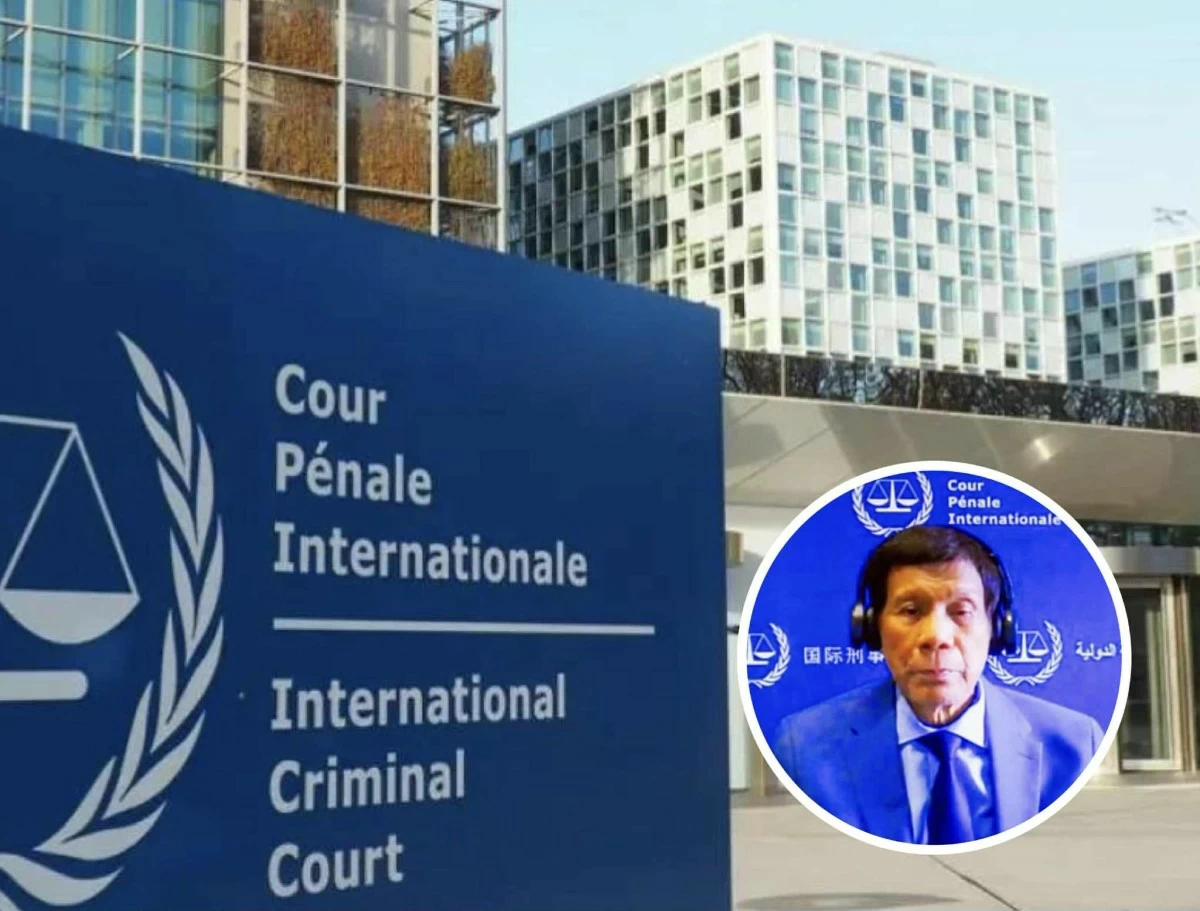
Former president Rodrigo Duterte (Photos from the International Criminal Court)

The International Criminal Court (ICC) has confirmed all charges against former president Rodrigo Duterte, paving the way for a full trial over alleged crimes against humanity linked to his administration’s anti-drug campaign.

The decision came a day after the ICC Appeals Chamber affirmed the court’s jurisdiction over Duterte’s case.

In a 50-page decision dated April 23, Pre-Trial Chamber I ruled that there are “substantial grounds to believe” that Duterte committed the crimes charged, thus committing the case to trial.

The Chamber said the confirmation of charges means the case has met the threshold required to proceed to trial, where guilt or innocence will be determined.

Charges confirmed

The case centers on allegations of crimes against humanity, particularly murder and attempted murder, allegedly committed as part of a widespread and systematic attack against civilians.

The prosecution presented incidents and victims as part of a broader pattern of alleged killings linked to the anti-drug campaign.

The Chamber noted that the incidents cited constitute a “non-exhaustive list,” suggesting that the scale of the alleged crimes may be broader than those specifically enumerated.

Role and responsibility

The ICC said Duterte is accused of playing a central role in the alleged campaign, both as Davao City mayor and later as President.

Prosecutors alleged that he was at the “apex” of a structure that carried out the supposed widespread attack.

The Chamber said Duterte may be held liable under multiple modes of responsibility, including indirect co-perpetration, ordering or inducing crimes, and aiding or abetting their commission. 

Evidence threshold met

The Pre-Trial Chamber emphasized that the standard at this stage is not proof beyond reasonable doubt, but whether there is sufficient evidence to establish substantial grounds for trial.

“The primary purpose of the confirmation proceedings is to decide whether the case… is sufficiently established to warrant a trial,” the Chamber said. 

It added that the evidence must go beyond “mere theory or suspicion.”

Trial to determine guilt

The ICC clarified that the confirmation of charges does not constitute a finding of guilt.

Instead, it ensures that only cases with a sufficient evidentiary basis proceed to trial.

Final determinations on Duterte’s liability, including the credibility of witnesses and the weight of evidence, will be made by the Trial Chamber.

Background

Duterte was arrested in March 2025 and transferred to The Hague, where he is currently detained.

He faces charges stemming from alleged killings carried out between 2011 and 2019 during his tenure as Davao City mayor and later as President.

The confirmation of charges follows hearings held in February 2026 and comes a day after the ICC Appeals Chamber affirmed the Court’s jurisdiction over the case.

The trial is expected to be one of the most closely watched proceedings involving a former head of state before the ICC.

Related Tags

President Duterte Rodrigo Duterte ICC International Criminal Court crimes against humanity
ADVERTISEMENT
.most-popular .layout-ratio{ padding-bottom: 79.13%; } @media (min-width: 768px) and (max-width: 1024px) { .widget-title { font-size: 15px !important; } }

{{ articles_filter_1561_widget.title }}

.most-popular .layout-ratio{ padding-bottom: 79.13%; } @media (min-width: 768px) and (max-width: 1024px) { .widget-title { font-size: 15px !important; } }

{{ articles_filter_1562_widget.title }}

.most-popular .layout-ratio{ padding-bottom: 79.13%; } @media (min-width: 768px) and (max-width: 1024px) { .widget-title { font-size: 15px !important; } }

{{ articles_filter_1563_widget.title }}

{{ articles_filter_1564_widget.title }}

.mb-article-details { position: relative; } .mb-article-details .article-body-preview, .mb-article-details .article-body-summary{ font-size: 17px; line-height: 30px; font-family: "Libre Caslon Text", serif; color: #000; } .mb-article-details .article-body-preview iframe , .mb-article-details .article-body-summary iframe{ width: 100%; margin: auto; } .read-more-background { background: linear-gradient(180deg, color(display-p3 1.000 1.000 1.000 / 0) 13.75%, color(display-p3 1.000 1.000 1.000 / 0.8) 30.79%, color(display-p3 1.000 1.000 1.000) 72.5%); position: absolute; height: 200px; width: 100%; bottom: 0; display: flex; justify-content: center; align-items: center; padding: 0; } .read-more-background a{ color: #000; } .read-more-btn { padding: 17px 45px; font-family: Inter; font-weight: 700; font-size: 18px; line-height: 16px; text-align: center; vertical-align: middle; border: 1px solid black; background-color: white; } .hidden { display: none; }
function initializeAllSwipers() { // Get all hidden inputs with cms_article_id document.querySelectorAll('[id^="cms_article_id_"]').forEach(function (input) { const cmsArticleId = input.value; const articleSelector = '#article-' + cmsArticleId + ' .body_images'; const swiperElement = document.querySelector(articleSelector); if (swiperElement && !swiperElement.classList.contains('swiper-initialized')) { new Swiper(articleSelector, { loop: true, pagination: false, navigation: { nextEl: '#article-' + cmsArticleId + ' .swiper-button-next', prevEl: '#article-' + cmsArticleId + ' .swiper-button-prev', }, }); } }); } setTimeout(initializeAllSwipers, 3000); const intersectionObserver = new IntersectionObserver( (entries) => { entries.forEach((entry) => { if (entry.isIntersecting) { const newUrl = entry.target.getAttribute("data-url"); if (newUrl) { history.pushState(null, null, newUrl); let article = entry.target; // Extract metadata const author = article.querySelector('.author-section').textContent.replace('By', '').trim(); const section = article.querySelector('.section-info ').textContent.replace(' ', ' '); const title = article.querySelector('.article-title h1').textContent; // Parse URL for Chartbeat path format const parsedUrl = new URL(newUrl, window.location.origin); const cleanUrl = parsedUrl.host + parsedUrl.pathname; // Update Chartbeat configuration if (typeof window._sf_async_config !== 'undefined') { window._sf_async_config.path = cleanUrl; window._sf_async_config.sections = section; window._sf_async_config.authors = author; } // Track virtual page view with Chartbeat if (typeof pSUPERFLY !== 'undefined' && typeof pSUPERFLY.virtualPage === 'function') { try { pSUPERFLY.virtualPage({ path: cleanUrl, title: title, sections: section, authors: author }); } catch (error) { console.error('ping error', error); } } // Optional: Update document title if (title && title !== document.title) { document.title = title; } } } }); }, { threshold: 0.1 } ); function showArticleBody(button) { const article = button.closest("article"); const summary = article.querySelector(".article-body-summary"); const body = article.querySelector(".article-body-preview"); const readMoreSection = article.querySelector(".read-more-background"); // Hide summary and read-more section summary.style.display = "none"; readMoreSection.style.display = "none"; // Show the full article body body.classList.remove("hidden"); } document.addEventListener("DOMContentLoaded", () => { let loadCount = 0; // Track how many times articles are loaded const offset = [1, 2, 3, 4, 5, 6, 7, 8, 9, 10]; // Offset values const currentUrl = window.location.pathname.substring(1); let isLoading = false; // Prevent multiple calls if (!currentUrl) { console.log("Current URL is invalid."); return; } const sentinel = document.getElementById("load-more-sentinel"); if (!sentinel) { console.log("Sentinel element not found."); return; } function isSentinelVisible() { const rect = sentinel.getBoundingClientRect(); return ( rect.top < window.innerHeight && rect.bottom >= 0 ); } function onScroll() { if (isLoading) return; if (isSentinelVisible()) { if (loadCount >= offset.length) { console.log("Maximum load attempts reached."); window.removeEventListener("scroll", onScroll); return; } isLoading = true; const currentOffset = offset[loadCount]; window.loadMoreItems().then(() => { let article = document.querySelector('#widget_1690 > div:nth-last-of-type(2) article'); intersectionObserver.observe(article) loadCount++; }).catch(error => { console.error("Error loading more items:", error); }).finally(() => { isLoading = false; }); } } window.addEventListener("scroll", onScroll); });

Sign up by email to receive news.