







Health hacks for the convenient diner
Maximizing nutrition from ready-made food
By Cheshire Que
Published Feb 23, 2026 10:02 pm


At A Glance
- A convenient diner's diet is composed of high-fat, high-calorie, high-sodium food that are low in fiber.
Do you rarely eat fresh food or home-cooked meals? Do you often find yourself eating at a restaurant, or using food delivery apps, or going through a drive-thru? If you answered yes to any of these questions, your lifestyle eating pattern, according to Dr. Robert Kushner, is a “convenient diner.” Dr. Robert is a renowned leader in the field of obesity medicine worldwide. He is also a professor emeritus at the Northwestern University Feinberg School of Medicine and a founder of the American Board of Obesity Medicine.
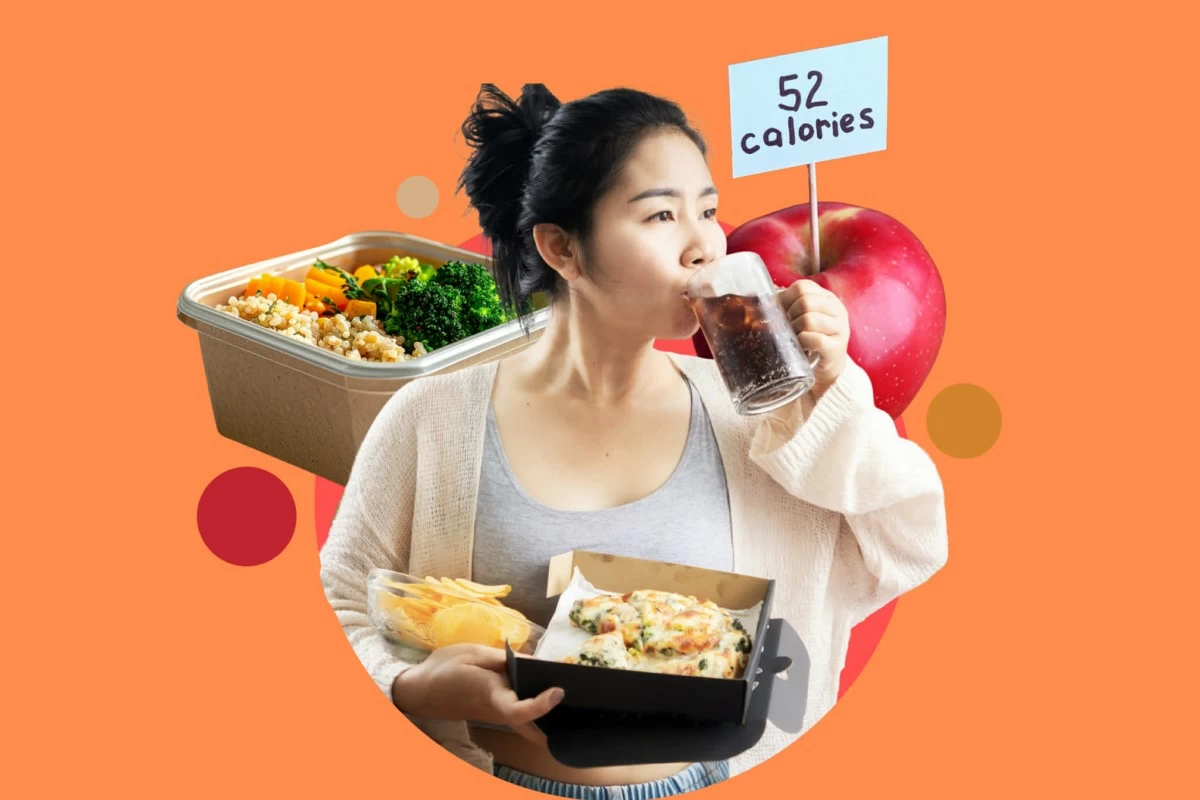
Dr. Robert describes a convenient diner as someone who eats food that is convenient, ready-made, packaged, frozen, microwavable, and with most food bearing a brand name found in the box or bag. They call for take-out or delivery more often than preparing fresh homemade meals. Dining out at sit-down, buffet, or fast-casual restaurants, including visiting drive-thrus are done on most days of the week. A convenient diner’s diet is composed of high-fat, high-calorie, high-sodium food that are low in fiber. These food are also high in refined sugars and have little or no phytonutrients and micronutrients.
It is nearly impossible to eat home-cooked meals 100 percent throughout one’s lifetime. While it is healthier and ideal to eat wholesome, minimally processed meals prepared at home, there are occasions that need to be celebrated outside the home, lunch meetings to attend for work, and so on. Eating out is sometimes inevitable. Here are some tips on how to be as healthy as possible if you are a convenient diner.
Mind your portions
It is common to have menus that offer combo meals, especially in fast food. Instead of ordering a large meal, go à la carte. It will not only save you calories, but it will also save you money. You don’t need to upsize your drink, you don’t need side dishes. Oftentimes, a sandwich, a burger, or a pasta would fill you up sans the soda and fries that usually come in a set meal. In a restaurant, you can order two types of appetizers, such as a soup and salad, fresh spring rolls, pita and hummus, and the like, instead of a large meal. If you are with the company, offer to split a large serving of entrée and have a side salad, vegetable soup, or fresh fruit smoothie on the side.
Don’t drink your calories
Train your palate to appreciate the taste, or lack thereof, of plain water. If you are craving for some fizz, plain carbonated water or sparkling water is a better option compared to soft drinks or soda. You can also opt to have unsweetened iced tea. Hot tea or brewed coffee is also zero calories, yet loaded with antioxidants. If you have not eaten your fresh fruit for the day, you can order a fresh fruit shake or juice, as well as vegetable juices. Make sure, however, that these are not canned juices. Always request the syrup to be served on the side so you can control how much you put in. It is better to avoid syrups and other sweeteners altogether.
Don’t pre-load your spoon and fork
When you still have food inside your mouth, make it a habit to put down your eating utensils. Pre-loading is putting food on your spoon or fork in anticipation of the next bite, even if you are still supposed to be savoring and chewing your food properly. Pre-loading makes you eat faster and makes you eat more food. If you are eating finger food such as sandwiches, put them down as you focus on chewing your food.
Master the buffet
It is best to go around buffet tables and check out the dishes before filling up your plate. Knowing what is offered will help you decide what to choose to prevent piling up your plate based on impulse. If you decide to have a small portion of dessert as a treat, you can decrease the amount of starch and grains such as rice or bread during the meal. It is always best to skip the bread section if you wish to have some pasta, noodles, or rice. Do not load up on carbs. Before you get something from the meat or protein section, make sure that you get at least half of your plate filled with vegetables, whether in the form of salad or a cooked vegetable dish.
Beware of extra and hidden calories
That bread basket must be refused even before it is served. Two slices of bread are equivalent to one cup of rice in terms of calories. The sugar packets that you add to your coffee and tea are additional calories that you do not need. You may be eating low-calorie salad greens, but the dressing and grated cheese are high in fat and calories. Always ask for the dressing to be served on the side. Just take a teaspoon for every one to two cups of fresh salad to add some flavor. Do not let your salad swim in its dressing.
Avoid grazing
After a meal, we often stay for socialization. It is tempting to graze on the leftovers. A small bite of this and that. You could easily consume 100 calories or more from grazing at the table. It is best to end your meal with a cup of tea or hot water with some calamansi, lemon, or lime. The sour and bitter taste will curb your cravings while having meaningful conversations. You can also pop a sugar-free mint or a cube of 70 to 100 percent dark chocolate, which you can carry around in your bag.
While dining out is inevitable sometimes, become healthier by intentionally preparing home-cooked meals at home on most days of the week.