

ADVERTISEMENT

Bonding in Bohol

A summer of flavors, lessons, and love shared between mother and daughter

Published May 9, 2025 06:09 am
In 1960, Nanay Salud and I took a trip that changed our lives and our relationship. We took a trip to Bohol to spend a summer with her sister and brother-in-law, both doctors who were serving several years among the poorest communities before migrating to the United States.
Our mission was to help my aunt’s family as they settled down in Anda, a small town at the end of the road in Bohol.
We were to report back to Lolo Andoy and Lola Tinaa, who were worried about the doctors and their four young children, uprooted from the city to live in a place where they knew nobody and did not speak the language.
Inter-island menu
Packed for our voyage were jars of adobo and sautéed bagoong alamang to supplement the ship’s boring complimentary meals of dried fish and vegetables. When the ship docked in Cebu to refuel and take on more passengers, we took advantage of the break to eat at the Carbon public market.
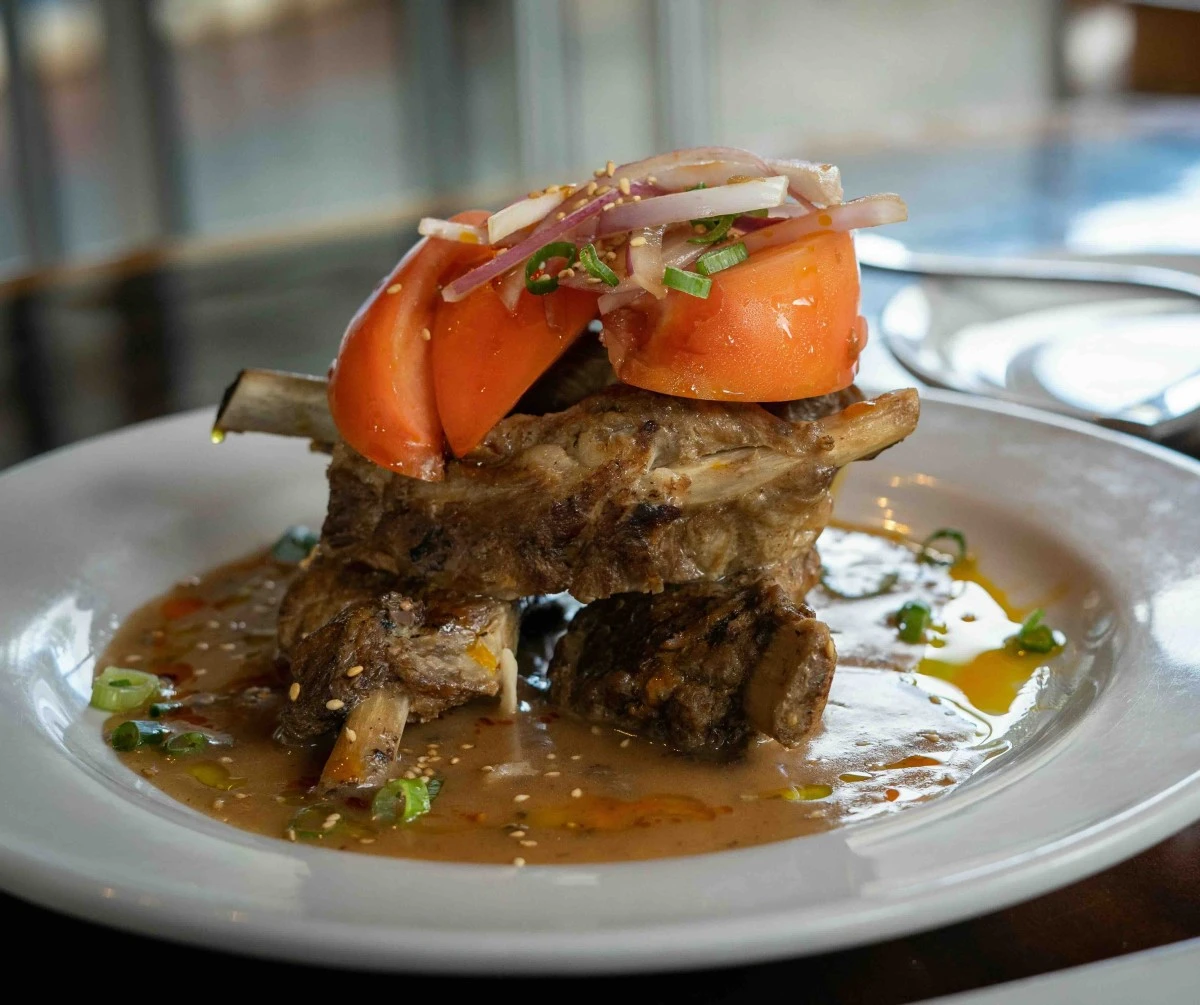
We ordered fish tinola and longganisa. The plump red sausages were sweet. Syrupy juices caramelized and toasted the natural casing, providing perfect contrast to the dip of tuba vinegar spiced with siling labuyo.
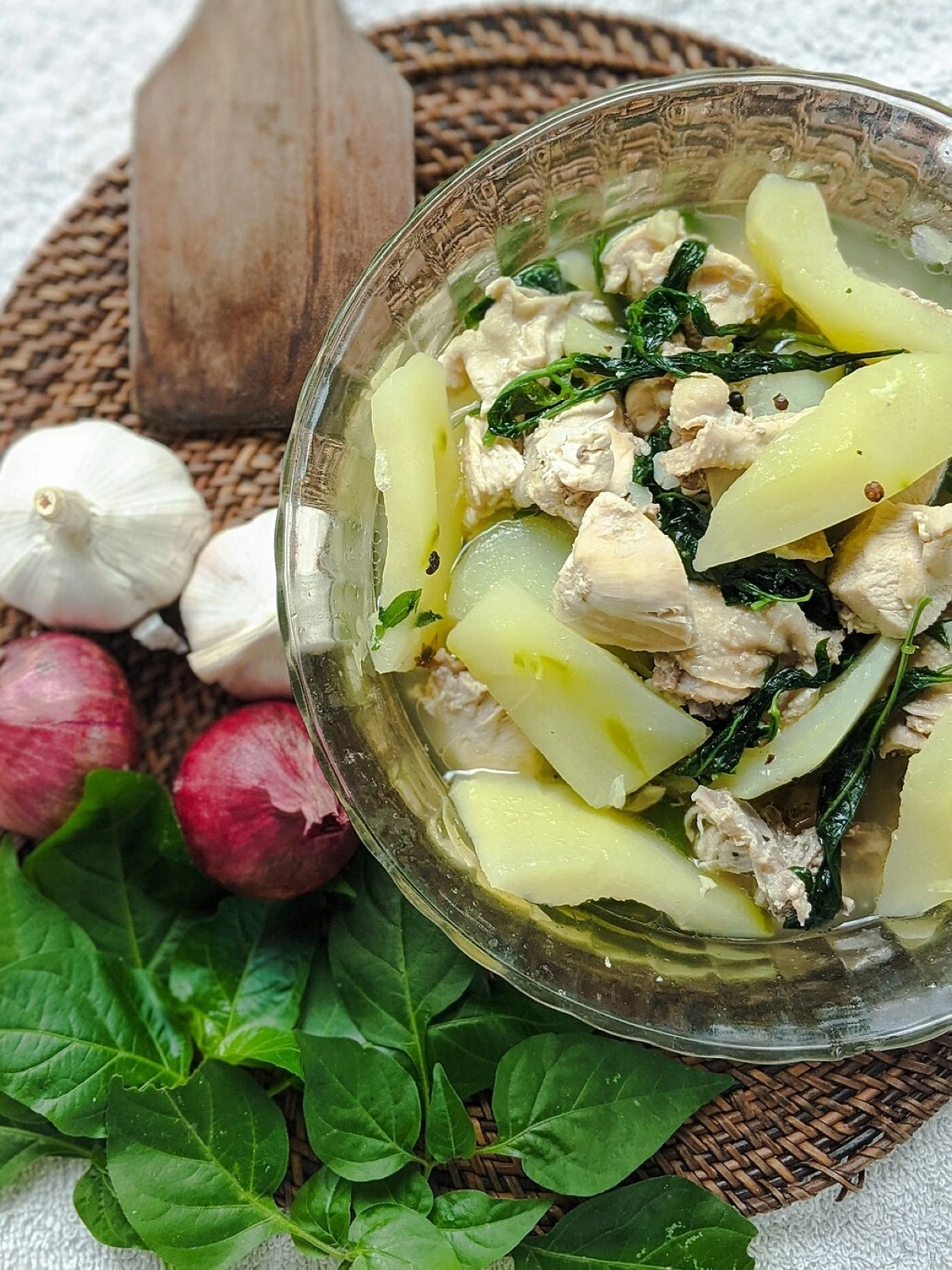
The tinola was a surprise. Instead of the familiar dish with ginger and green papaya, the fresh fish was cooked in broth with onions, tomatoes and tanglad (lemongrass). When we complained, the cook explained that in Cebu, tinola means cooked in broth and not necessarily seasoned following the Tagalog recipe. That was our first lesson in Visayan cuisine.
We bought more longganisa to take out and eat aboard the ship. Nanay purchased ripe mangoes to munch on in the morning.
Breakfast the next day was hard-boiled eggs and boiled kamote (sweet potato), which we saved for merienda and overnight snacks.
Long ride to paradise
After two days and two nights at sea, we finally disembarked at the port of Tagbilaran. The ride aboard an old, rickety bus on a mostly rocky, unpaved road took half a day. The road ended 118 kilometers from the city. We had arrived at Anda.
After handing out chocolates and cookies to my cousins, Nanay and her sister sorted out the canned goods and spices that would enable my aunt to cook Cavite dishes learned from my grandmother: bay leaves and whole peppercorn for adobo, brown ripe sour sampalok for sinigang, dried banana blossom for pork paksiw, garlic, Tagalog multiplier onions, dried alamang, atsuete seeds, cans of tomato sauce, catsup, soy sauce.
Nanay wasted no time familiarizing herself with the town. Anda was clean and beautiful. The houses were mostly made of wood, nipa and bamboo. The soil was covered with broken shells of all sizes, shapes and colors. The clear blue sea was only meters from the white beach.
Wading at low tide, we discovered how rich the island was in seafood. All kinds of bivalves were strewn on and in the sand, just waiting to be picked up with our bare hands. There were the familiar halaan (Manila clam), batotoy (blood cockle), capiz (scallop), and tahong (mussel) nestling among the edible seaweeds.
We gathered two gallons of clams and soaked them in salted fresh water to induce them to expel mud and sand. The clams were cooked in little water just long enough to open. Shucked, half was set aside for spaghetti sauce. The rest was sun-dried for use in a kind of arroz caldo using clams instead of chicken.
Hail to the chef
Following local tradition, our spaghetti dinner was the talk of the town even before we could finish shelling the clams. Dinner became the social event of the week.
Nanay and I turned hoarse explaining repeatedly how simple the recipe was, using Kraft cheese in cans, which traveled well and kept for days without refrigeration. Everyone took mental notes. Clam sauce became the town’s favorite party dish, replacing expensive beef meatballs and adding chopped basil, which was grown by the natives who knew the herb as sulasi, a medicinal plant.
In return, they taught me how to cook sinigang using the small green batuan fruit to sour the broth. I called it sinigang. They insisted it was tinola.
Bohol’s gem
I learned to love hot chocolate for breakfast from an Anda neighbor who had several cacao trees in her backyard, which produced enough fruit to supply tsokolate to a few visitors. She showed me how the cacao fruit clung to tree trunks and was cut open to scrape the seeds from the skin.
The cacao seeds were left to ferment and dried, then roasted by stirring in a metal pan over an open flame. The roasted seeds were pounded manually using a mortar and pestle, then mixed with water over a medium fire until thick. Sugar and milk were added and stirred with a carved wooden stirrer called a batidor.
Today, Bohol is one of the country’s top producers of high-quality cacao for export.
At the end of summer, Nanay and I packed our bags and headed back to Las Piñas with a full report for Lolo and Lola, assuring them that their daughter and son-in-law were safe and happy in a place as close to paradise as one could get.
ADVERTISEMENT
.most-popular .layout-ratio{ padding-bottom: 79.13%; } @media (min-width: 768px) and (max-width: 1024px) { .widget-title { font-size: 15px !important; } }

{{ articles_filter_1561_widget.title }}

.most-popular .layout-ratio{ padding-bottom: 79.13%; } @media (min-width: 768px) and (max-width: 1024px) { .widget-title { font-size: 15px !important; } }

{{ articles_filter_1562_widget.title }}

.most-popular .layout-ratio{ padding-bottom: 79.13%; } @media (min-width: 768px) and (max-width: 1024px) { .widget-title { font-size: 15px !important; } }

{{ articles_filter_1563_widget.title }}

{{ articles_filter_1564_widget.title }}

.mb-article-details { position: relative; } .mb-article-details .article-body-preview, .mb-article-details .article-body-summary{ font-size: 17px; line-height: 30px; font-family: "Libre Caslon Text", serif; color: #000; } .mb-article-details .article-body-preview iframe , .mb-article-details .article-body-summary iframe{ width: 100%; margin: auto; } .read-more-background { background: linear-gradient(180deg, color(display-p3 1.000 1.000 1.000 / 0) 13.75%, color(display-p3 1.000 1.000 1.000 / 0.8) 30.79%, color(display-p3 1.000 1.000 1.000) 72.5%); position: absolute; height: 200px; width: 100%; bottom: 0; display: flex; justify-content: center; align-items: center; padding: 0; } .read-more-background a{ color: #000; } .read-more-btn { padding: 17px 45px; font-family: Inter; font-weight: 700; font-size: 18px; line-height: 16px; text-align: center; vertical-align: middle; border: 1px solid black; background-color: white; } .hidden { display: none; }
function initializeAllSwipers() { // Get all hidden inputs with cms_article_id document.querySelectorAll('[id^="cms_article_id_"]').forEach(function (input) { const cmsArticleId = input.value; const articleSelector = '#article-' + cmsArticleId + ' .body_images'; const swiperElement = document.querySelector(articleSelector); if (swiperElement && !swiperElement.classList.contains('swiper-initialized')) { new Swiper(articleSelector, { loop: true, pagination: false, navigation: { nextEl: '#article-' + cmsArticleId + ' .swiper-button-next', prevEl: '#article-' + cmsArticleId + ' .swiper-button-prev', }, }); } }); } setTimeout(initializeAllSwipers, 3000); const intersectionObserver = new IntersectionObserver( (entries) => { entries.forEach((entry) => { if (entry.isIntersecting) { const newUrl = entry.target.getAttribute("data-url"); if (newUrl) { history.pushState(null, null, newUrl); let article = entry.target; // Extract metadata const author = article.querySelector('.author-section').textContent.replace('By', '').trim(); const section = article.querySelector('.section-info ').textContent.replace(' ', ' '); const title = article.querySelector('.article-title h1').textContent; // Parse URL for Chartbeat path format const parsedUrl = new URL(newUrl, window.location.origin); const cleanUrl = parsedUrl.host + parsedUrl.pathname; // Update Chartbeat configuration if (typeof window._sf_async_config !== 'undefined') { window._sf_async_config.path = cleanUrl; window._sf_async_config.sections = section; window._sf_async_config.authors = author; } // Track virtual page view with Chartbeat if (typeof pSUPERFLY !== 'undefined' && typeof pSUPERFLY.virtualPage === 'function') { try { pSUPERFLY.virtualPage({ path: cleanUrl, title: title, sections: section, authors: author }); } catch (error) { console.error('ping error', error); } } // Optional: Update document title if (title && title !== document.title) { document.title = title; } } } }); }, { threshold: 0.1 } ); function showArticleBody(button) { const article = button.closest("article"); const summary = article.querySelector(".article-body-summary"); const body = article.querySelector(".article-body-preview"); const readMoreSection = article.querySelector(".read-more-background"); // Hide summary and read-more section summary.style.display = "none"; readMoreSection.style.display = "none"; // Show the full article body body.classList.remove("hidden"); } document.addEventListener("DOMContentLoaded", () => { let loadCount = 0; // Track how many times articles are loaded const offset = [1, 2, 3, 4, 5, 6, 7, 8, 9, 10]; // Offset values const currentUrl = window.location.pathname.substring(1); let isLoading = false; // Prevent multiple calls if (!currentUrl) { console.log("Current URL is invalid."); return; } const sentinel = document.getElementById("load-more-sentinel"); if (!sentinel) { console.log("Sentinel element not found."); return; } function isSentinelVisible() { const rect = sentinel.getBoundingClientRect(); return ( rect.top < window.innerHeight && rect.bottom >= 0 ); } function onScroll() { if (isLoading) return; if (isSentinelVisible()) { if (loadCount >= offset.length) { console.log("Maximum load attempts reached."); window.removeEventListener("scroll", onScroll); return; } isLoading = true; const currentOffset = offset[loadCount]; window.loadMoreItems().then(() => { let article = document.querySelector('#widget_1690 > div:nth-last-of-type(2) article'); intersectionObserver.observe(article) loadCount++; }).catch(error => { console.error("Error loading more items:", error); }).finally(() => { isLoading = false; }); } } window.addEventListener("scroll", onScroll); });

Sign up by email to receive news.