






 Business
Trade & Industry
Gov't eyes higher biodiesel blend in 2027 as coconut oil prices ease
Business
Trade & Industry
Gov't eyes higher biodiesel blend in 2027 as coconut oil prices ease
Gov't eyes higher biodiesel blend in 2027 as coconut oil prices ease


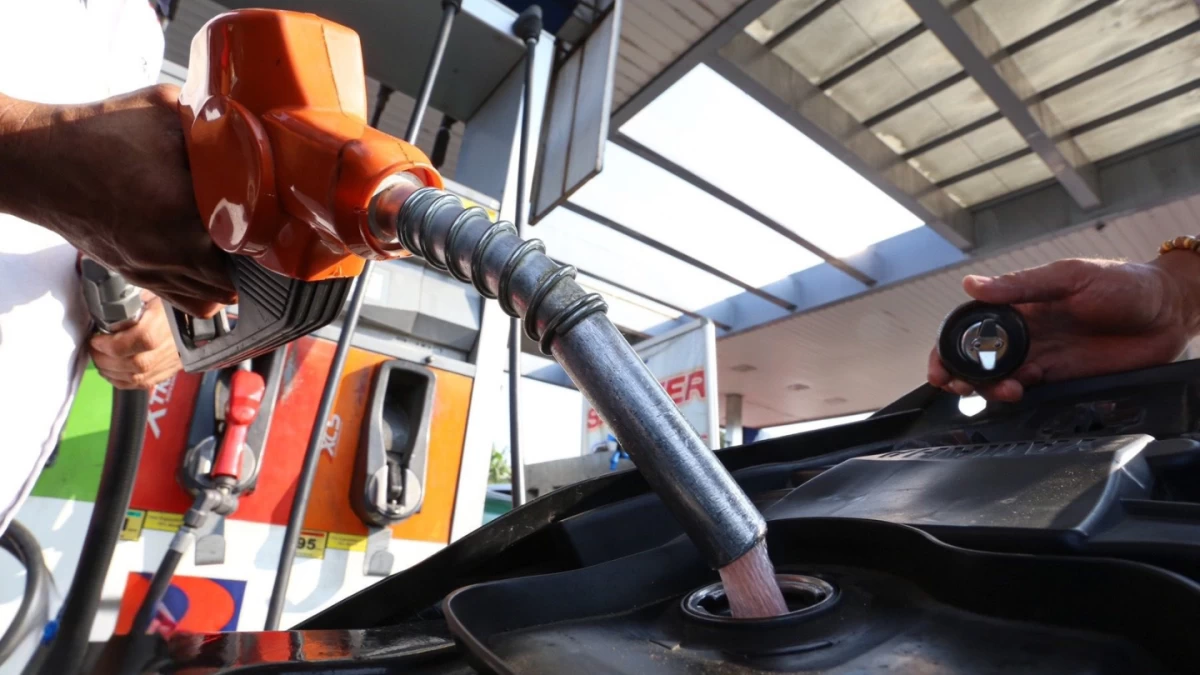
The government is expected to increase the country’s biodiesel blend next year once prices of coco methyl ester (CME) stabilize at a level that would not further burden motorists, according to the Philippine Coconut Authority (PCA).
PCA Administrator and Chief Executive Officer (CEO) Dexter Buted said the Department of Agriculture (DA)-attached agency has recommended increasing the biodiesel mandate from three percent to five percent, or B3 to B5, to the Department of Energy (DOE).
The DOE oversees adjustments in the biodiesel blend based on the recommendation of the interagency National Biofuels Board (NBB), which it chairs.
“We’re pushing the DOE and also the government, but it will depend on the price of the CME,” Buted said in an interview last week.
CME biodiesel is currently averaging around ₱135 per liter, while diesel prices are fetching ₱77 to ₱97.50 per liter, based on the latest DOE monitoring in Metro Manila.
Buted said higher CME prices are the main reason why the government has not yet raised the biodiesel blend despite strong industry demand.
The DA recently endorsed a policy resolution calling for an immediate transition to B5, which seeks to gradually reduce fuel costs and generate greater value for the coconut sector.
CME is seeing higher prices amid growing demand for coconut oil in the global market as countries look to secure alternative sources amid the ongoing energy crisis.
Coconut oil is the main feedstock of CME, which is the raw material used to produce biodiesel.
There is some optimism that coconut oil prices are now trending downward, having fallen in June to below $2,000 per metric ton (MT) for the first time in 16 months.
The latest World Bank data showed that the average price of coconut oil in the global market was $1,924 per MT in July, down by nearly three percent from $1,979 per MT in June.
“If the price declines, I guess there will be no reason why the government should not impose the five percent of the biodiesel,” said Buted.
Buted said PCA expects prices of CME biodiesel to stabilize by next year, although he said he cannot yet project whether this would happen in the early or latter part of the year.
To prepare for the eventual increase in the biodiesel blend, PCA is actively promoting programs to strengthen the productivity of the coconut sector.
Citing industry estimates, Buted said local production right now is enough to support a potential increase in the blend to up to seven percent, or B7.
He said the country’s coconut output this year is on track to grow by five percent from last year’s total production of 14.51 million MT.
If this is realized, coconut production would exceed 15 million MT for the first time in 13 years.