ADVERTISEMENT

Philippines contemplates nationwide Facebook ban over safety concerns, igniting fears for local MSMEs and the digital economy

Published Aug 26, 2026 08:49 am
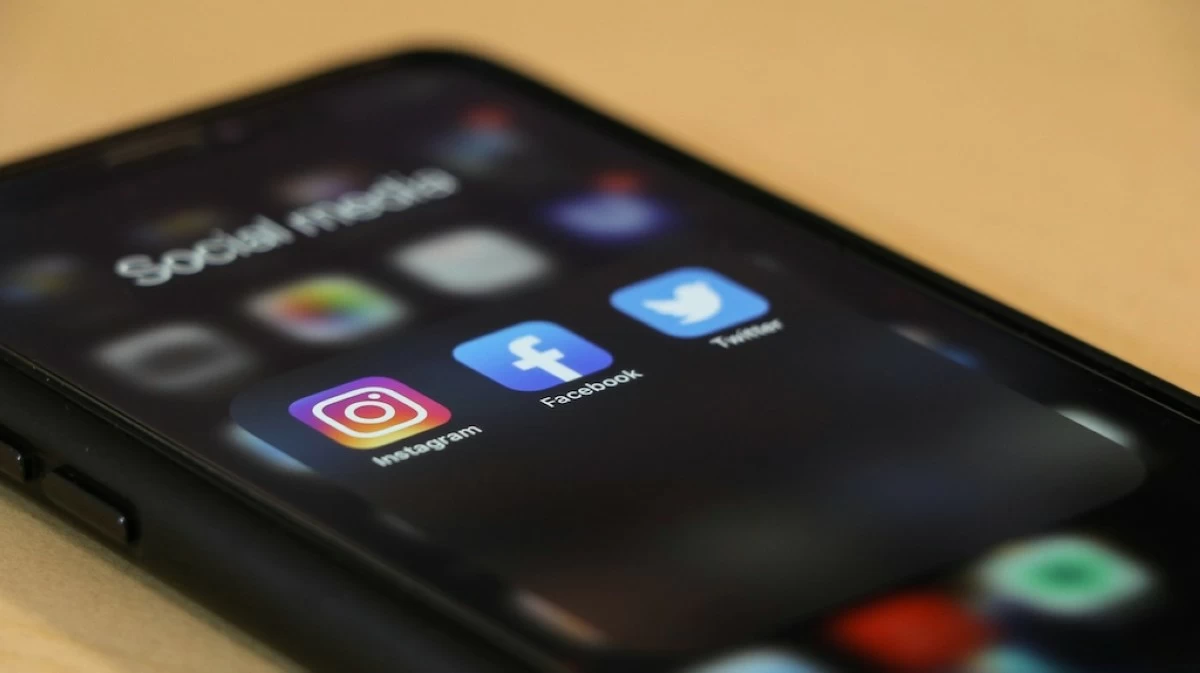
Photo by dole777 on Unsplash
Philippine regulatory authorities have raised the possibility of blocking nationwide access to Facebook, igniting widespread debate across the country’s technology and business sectors. The Cybercrime Investigation and Coordinating Center (CICC), led by Executive Director Undersecretary Renato “Aboy” Paraiso, confirmed that the government is evaluating recommendations to restrict or geo-block the social media giant. The CICC cited growing concerns over online child exploitation, delayed content moderation during violent incidents, and Meta’s sluggish compliance with local regulatory standards as primary triggers for the proposed action. While officials frame the measure as a necessary regulatory lever to compel platform compliance, tech policy experts and business advocates warn that a platform-wide ban could deliver a devastating blow to the nation’s digital economy.
At the center of the potential fallout are the Philippines’ Micro, Small, and Medium Enterprises (MSMEs). According to Philippine Statistics Authority (PSA) data, registered MSMEs account for over 99% of all business establishments in the country. Studies on local digital tool adoption indicate that an estimated 500,000 to over 800,000 registered small businesses actively rely on Facebook Pages, Facebook Marketplace, and Messenger as their primary operational storefronts, sales funnels, and customer service channels. When factoring in informal, unregistered vendors — such as home-based micro-merchants, Facebook Live sellers, and regional craft traders — industry estimates push that figure well into the millions.
Unlike enterprise corporations with custom eCommerce infrastructure, small Filipino merchants depend heavily on Meta’s ecosystem due to its zero-cost barrier to entry, widespread reach among 95 million local users, and seamless integration with mobile wallets. For many micro-entrepreneurs, Facebook is not merely a marketing channel; it is their entire business infrastructure. Removing access overnight would effectively shutter these virtual shopfronts, freezing cash flow and threatening livelihoods.
The CICC acknowledged the massive social, political, and economic ramifications of such a restriction. However, officials pointed to previous regulatory engagements — such as those with online gaming platform Roblox, which successfully updated its child safety protocols following government pressure — as proof that firm regulatory threats produce results. Malacañang has signaled openness to exploring broader restrictions if deemed necessary for public safety and child protection, though the Palace emphasized that any extreme measure must undergo rigorous evidence-based evaluation before implementation.
Digital rights organizations and technical advocates, including groups like Mozilla and the Internet Society (ISOC), caution against using network-level blocks to address platform safety. They advocate instead for structural accountability, stricter data privacy frameworks, and algorithmic transparency — arguing that platform bans inadvertently penalize innocent citizens, break web interoperability, and inflict severe economic damage on small businesses. As Philippine tech regulators prepare for further talks with Meta regional representatives, local merchants remain on high alert, watching whether state regulators and tech executives can reach a middle ground before the threat becomes reality.

Related Tags

Social media social media ban Facebook Facebook ban CICC Digital rights CICC Executive Director Undersecretary Renato \"Aboy\" Paraiso
ADVERTISEMENT
.most-popular .layout-ratio{ padding-bottom: 79.13%; } @media (min-width: 768px) and (max-width: 1024px) { .widget-title { font-size: 15px !important; } }

{{ articles_filter_1561_widget.title }}

.most-popular .layout-ratio{ padding-bottom: 79.13%; } @media (min-width: 768px) and (max-width: 1024px) { .widget-title { font-size: 15px !important; } }

{{ static_articles_1562_widget.title }}

.most-popular .layout-ratio{ padding-bottom: 79.13%; } @media (min-width: 768px) and (max-width: 1024px) { .widget-title { font-size: 15px !important; } }

{{ articles_filter_1563_widget.title }}

{{ articles_filter_1564_widget.title }}

.mb-article-details { position: relative; } .mb-article-details .article-body-preview, .mb-article-details .article-body-summary{ font-size: 17px; line-height: 30px; font-family: "Libre Caslon Text", serif; color: #000; } .mb-article-details .article-body-preview iframe , .mb-article-details .article-body-summary iframe{ width: 100%; margin: auto; } .read-more-background { background: linear-gradient(180deg, color(display-p3 1.000 1.000 1.000 / 0) 13.75%, color(display-p3 1.000 1.000 1.000 / 0.8) 30.79%, color(display-p3 1.000 1.000 1.000) 72.5%); position: absolute; height: 200px; width: 100%; bottom: 0; display: flex; justify-content: center; align-items: center; padding: 0; } .read-more-background a{ color: #000; } .read-more-btn { padding: 17px 45px; font-family: Inter; font-weight: 700; font-size: 18px; line-height: 16px; text-align: center; vertical-align: middle; border: 1px solid black; background-color: white; } .hidden { display: none; }
function initializeAllSwipers() { // Get all hidden inputs with cms_article_id document.querySelectorAll('[id^="cms_article_id_"]').forEach(function (input) { const cmsArticleId = input.value; const articleSelector = '#article-' + cmsArticleId + ' .body_images'; const swiperElement = document.querySelector(articleSelector); if (swiperElement && !swiperElement.classList.contains('swiper-initialized')) { new Swiper(articleSelector, { loop: true, pagination: false, navigation: { nextEl: '#article-' + cmsArticleId + ' .swiper-button-next', prevEl: '#article-' + cmsArticleId + ' .swiper-button-prev', }, }); } }); } setTimeout(initializeAllSwipers, 3000); const intersectionObserver = new IntersectionObserver( (entries) => { entries.forEach((entry) => { if (entry.isIntersecting) { const newUrl = entry.target.getAttribute("data-url"); if (newUrl) { history.pushState(null, null, newUrl); let article = entry.target; // Extract metadata const author = article.querySelector('.author-section').textContent.replace('By', '').trim(); const section = article.querySelector('.section-info ').textContent.replace(' ', ' '); const title = article.querySelector('.article-title h1').textContent; // Parse URL for Chartbeat path format const parsedUrl = new URL(newUrl, window.location.origin); const cleanUrl = parsedUrl.host + parsedUrl.pathname; // Update Chartbeat configuration if (typeof window._sf_async_config !== 'undefined') { window._sf_async_config.path = cleanUrl; window._sf_async_config.sections = section; window._sf_async_config.authors = author; } // Track virtual page view with Chartbeat if (typeof pSUPERFLY !== 'undefined' && typeof pSUPERFLY.virtualPage === 'function') { try { pSUPERFLY.virtualPage({ path: cleanUrl, title: title, sections: section, authors: author }); } catch (error) { console.error('ping error', error); } } // Optional: Update document title if (title && title !== document.title) { document.title = title; } } } }); }, { threshold: 0.1 } ); function showArticleBody(button) { const article = button.closest("article"); const summary = article.querySelector(".article-body-summary"); const body = article.querySelector(".article-body-preview"); const readMoreSection = article.querySelector(".read-more-background"); // Hide summary and read-more section summary.style.display = "none"; readMoreSection.style.display = "none"; // Show the full article body body.classList.remove("hidden"); } document.addEventListener("DOMContentLoaded", () => { let loadCount = 0; // Track how many times articles are loaded const offset = [1, 2, 3, 4, 5, 6, 7, 8, 9, 10]; // Offset values const currentUrl = window.location.pathname.substring(1); let isLoading = false; // Prevent multiple calls if (!currentUrl) { console.log("Current URL is invalid."); return; } const sentinel = document.getElementById("load-more-sentinel"); if (!sentinel) { console.log("Sentinel element not found."); return; } function isSentinelVisible() { const rect = sentinel.getBoundingClientRect(); return ( rect.top < window.innerHeight && rect.bottom >= 0 ); } function onScroll() { if (isLoading) return; if (isSentinelVisible()) { if (loadCount >= offset.length) { console.log("Maximum load attempts reached."); window.removeEventListener("scroll", onScroll); return; } isLoading = true; const currentOffset = offset[loadCount]; window.loadMoreItems().then(() => { let article = document.querySelector('#widget_1690 > div:nth-last-of-type(2) article'); intersectionObserver.observe(article) loadCount++; }).catch(error => { console.error("Error loading more items:", error); }).finally(() => { isLoading = false; }); } } window.addEventListener("scroll", onScroll); });

Sign up by email to receive news.