







Marcos admin warns companies of EPR obligations


At A Glance
- The DENR has issued 155 show-cause letters to companies potentially failing to comply with the Extended Producer Responsibility (EPR) Act.
- Audited recovery rates in 2024 reached nearly 60 percent for rigid plastics and 56 percent for flexible plastics, exceeding the 40 percent legal target.
- EPR recovery targets will rise to 60 percent in 2026 and 80 percent in 2028, with non-compliant companies facing multi-million-peso fines.
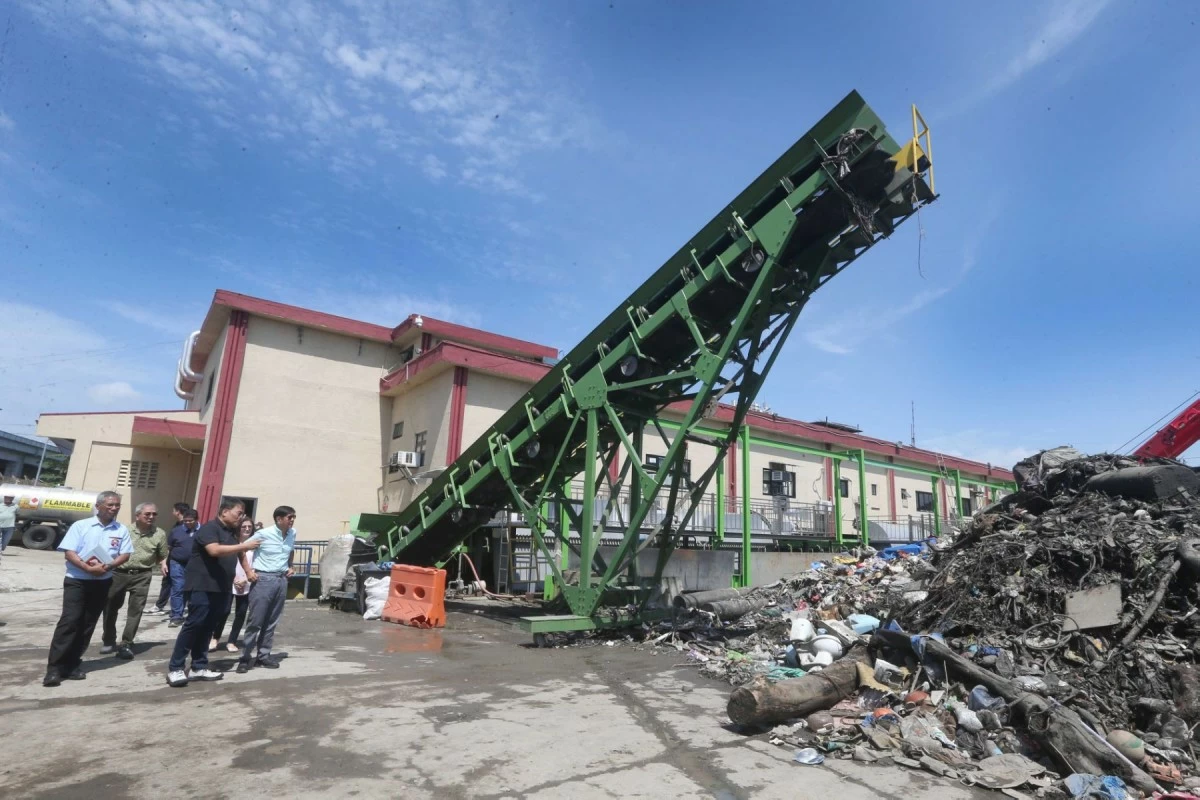
The Marcos administration is stepping up enforcement of the Extended Producer Responsibility (EPR) Act as part of efforts to address plastic pollution and prevent garbage from clogging drainage and pumping facilities, Malacañang said.
Presidential Communications Office (PCO) Undersecretary Claire Castro said this after President Marcos said garbage is one of the contributors to clogged pumping stations.
In a press briefing, Castro said the Department of Environment and Natural Resources (DENR) is monitoring companies’ compliance with the EPR law by auditing their plastic waste recovery rates.
“Aktibong binabantayan ng DENR ang pagsunod ng mga kumpanya sa EPR Law sa pamamagitan ng pag-audit sa kanilang recovery rates upang matiyak ang compliance (The DENR is actively monitoring companies’ compliance with the EPR Law by auditing their recovery rates to ensure compliance),” Castro said, quoting the DENR.
The DENR has issued 155 show-cause letters to potentially obliged enterprises that may have failed to meet their EPR obligations.
Republic Act No. 11898, or the EPR Act of 2022, requires large enterprises to recover and divert a portion of their plastic packaging waste through individual programs or collective organizations.
The law amended the Ecological Solid Waste Management Act of 2000 and sets increasing annual recovery targets for plastic packaging waste.
For 2024, the mandated recovery target was 40 percent, while the audited recovery rates reached 59.98 percent for rigid plastics and 56.33 percent for flexible plastics.
The recovery target will increase to 60 percent in 2026 and 80 percent in 2028.
Castro urged the public to also do its part in properly managing and disposing of plastic waste, saying companies that comply with their obligations need the cooperation of communities.
“So, kung ang kumpanya ay tumutupad sa kanilang mga alituntunin at kanilang obligasyon, makikiusap tayo sa ating mga kababayan, mga residente, na tumulong tayo (So, if companies are complying with their rules and obligations, we are asking our fellow Filipinos, our residents, to help us),” she said.
Castro warned that companies that fail to recover their required plastic waste or otherwise violate the law could face multi-million-peso fines.
“Sa mga kumpanyang hindi makaka-recover ng kanilang plastic waste footprint o hindi makakasunod sa mga requirement ng batas ay nahaharap sa mga multi-million-peso na multa (Companies that fail to recover their plastic waste footprint or comply with the requirements of the law face multi-million-peso fines),” she said.