






 Philippines
National
No EO needed for DepEd's proposed school-level class resumption policy — Palace
Philippines
National
No EO needed for DepEd's proposed school-level class resumption policy — Palace
No EO needed for DepEd's proposed school-level class resumption policy — Palace


At A Glance
- Malacañang said President Marcos does not need to issue an executive order for DepEd's proposed school-level decisions on class resumption after bad weather or disasters.
- DepEd wants schools to assess actual local conditions instead of automatically suspending classes across an entire province, city, or municipality.
- The department is also pushing alternative learning arrangements, including online classes, when conditions allow, while no decision has been made on adjusting the school calendar.
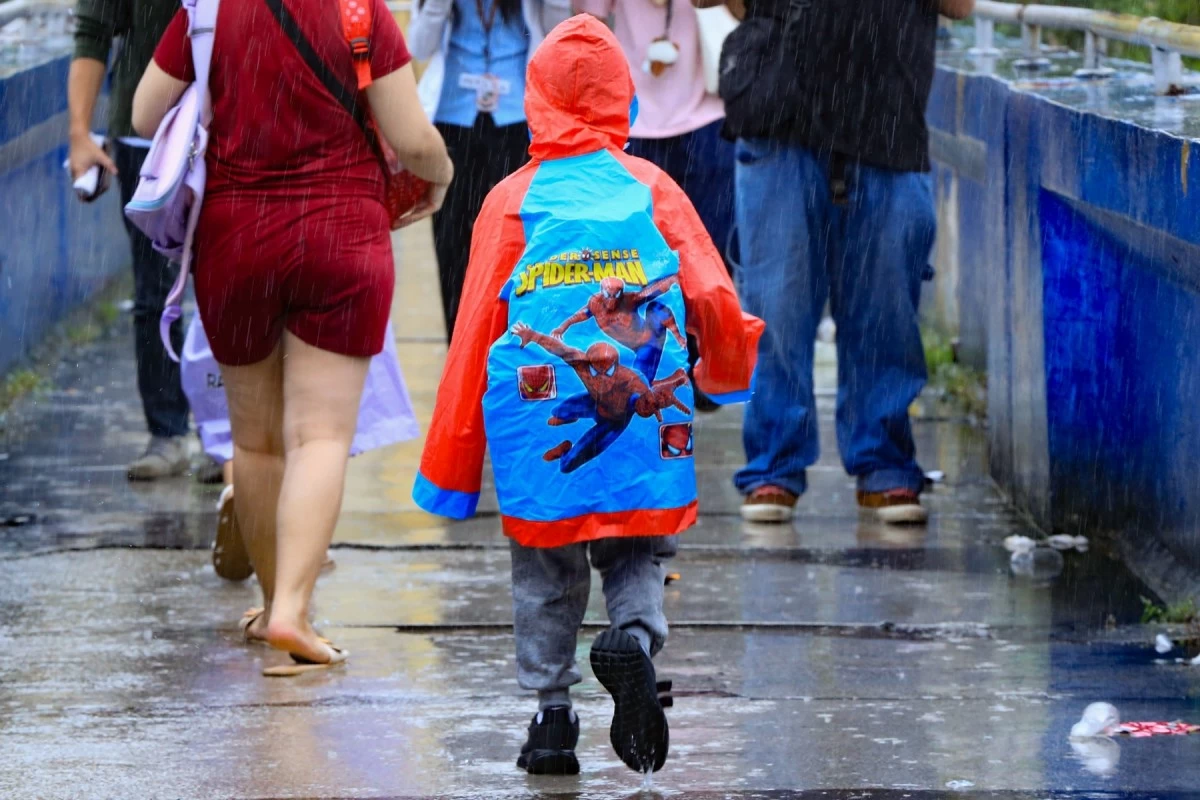
President Marcos does not need to issue an executive order (EO) for the Department of Education's (DepEd) proposed policy allowing schools to decide whether to resume classes based on local conditions after disasters or bad weather, Malacañang said.
In a press briefing on Wednesday, Aug. 19, Presidential Communications Office (PCO) Undersecretary Claire Castro said the matter falls under DepEd, led by Secretary Sonny Angara, and that the department will determine which measures to implement.
“Nasa pangunguna na po ni Secretary Sonny Angara kung ano po ang ipapatupad niya patungkol po dito sa kalagayan ng panahon pagdating po sa ating mga estudyante (It is up to Secretary Sonny Angara to lead on what will be implemented regarding weather conditions affecting our students),” she said.
Castro said the proposal has been conveyed to Marcos, but she did not say that the President had approved the policy or that an executive order was being prepared.
School-level decisions
Under the proposal, schools would be allowed to determine whether it is safe to resume classes based on the actual conditions in their communities rather than following automatic, uniform suspensions across a province, city, or municipality.
Castro said the approach recognizes that schools may face different geographic conditions, risks, and circumstances even within the same locality.
“If safe, puwedeng mag-resume; kung hindi safe, suspended (If it is safe, classes may resume; if it is not safe, classes remain suspended),” she said.
She stressed, however, that the proposed system would not allow schools to make decisions independently, as coordination with local government units, clear safety assessments, timely communication, and accountability would remain necessary.
Castro said Angara would further explain the proposal and discuss with schools how they should report conditions during periods of bad weather.
Alternative learning
The Palace also said DepEd prefers alternative learning arrangements over simply suspending classes when circumstances allow, as the department seeks to limit learning loss.
According to Castro, online classes would be used when possible, although she acknowledged that heavy rains and areas with unreliable signal could pose difficulties.
School calendar
Meanwhile, Castro said the Palace has not received any update from Angara on a possible adjustment to the school calendar.
She noted that the opening of classes had previously been moved to September because of rainy-season concerns before being returned to June because of extreme heat, leaving the government to again consider how weather conditions should factor into the academic calendar.
Classes in several areas, including Metro Manila, had either been suspended or shifted to alternative modalities for the past three weeks due to the persistent rains brought about by Habagat.