






 Philippines
National
Palace calls out TUPAD beneficiaries over alleged fake cleanup photos, videos
Philippines
National
Palace calls out TUPAD beneficiaries over alleged fake cleanup photos, videos
Palace calls out TUPAD beneficiaries over alleged fake cleanup photos, videos


At A Glance
- Malacañang called out some TUPAD beneficiaries allegedly taking photos while pretending to clean waterways, then leaving without doing the work.
- President Marcos ordered government agencies to clear tons of garbage from the Baclaran River and stressed that cleanup efforts must be sustained to prevent flooding.
- The administration is also pursuing additional waste-management measures, including waste-to-energy projects, trash traps, and the expansion of community-based river cleanup programs.
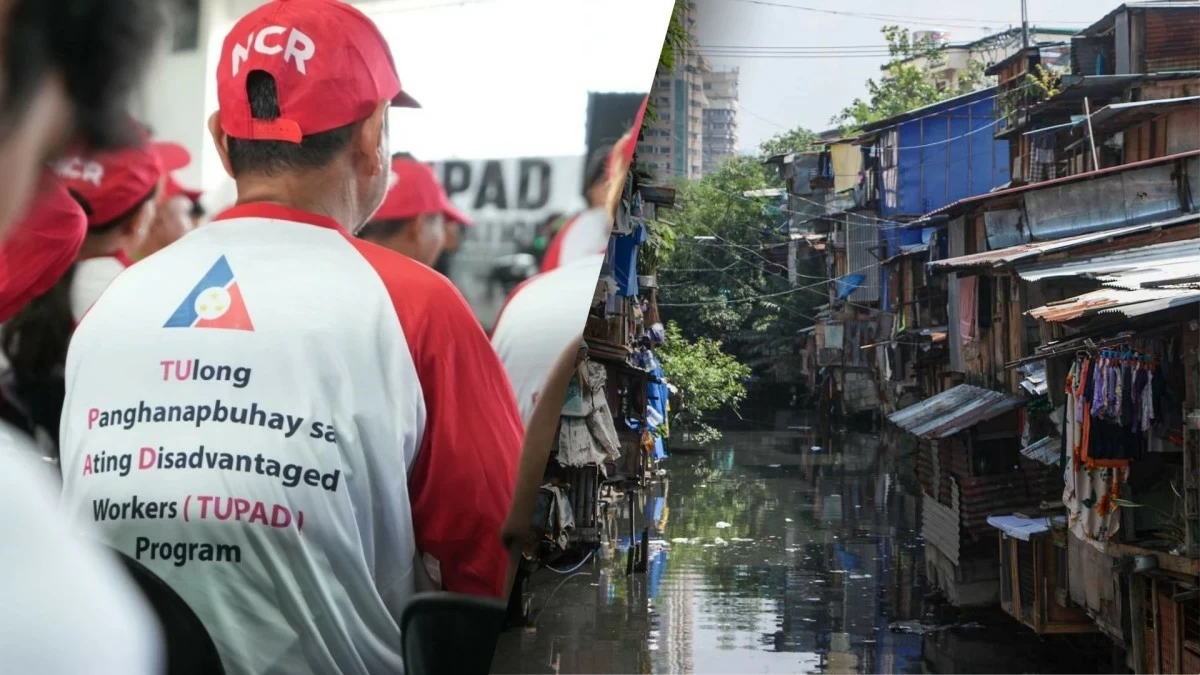
Malacañang has called out some beneficiaries of the government's emergency employment program for allegedly posing as cleaners of waterways for photos and videos while failing to perform the work for which they were hired.
Presidential Communications Office (PCO) Undersecretary Claire Castro said this after President Marcos himself said the country is facing a serious garbage problem following flooding in Metro Manila during the recent Habagat rains.
In a press briefing on Thursday, Aug. 13, Castro said the reported fake photos and videos of Tulong Panghanapbuhay sa Ating Disadvantaged/Displaced Workers (TUPAD) beneficiaries were particularly disappointing because they are paid to perform actual community work, including debris clearing and the declogging of canals.
“Ito ay isang example lamang po. Yung mga hina-hire para sa TUPAD, sila ay in-engage para maglinis. Pero nakita po natin na ito ay nag-viral na yung iba ay magpapa-picture lang—kunwari may basurang winalis, pero after that ay aalis na rin (This is just one example: Those hired under TUPAD are engaged to clean, but we saw that some of them went viral for merely having their pictures taken—as if they had swept garbage—but after that, they would leave),” she said.
“Minsan sila pa ang nagtatambak ng basura para ipakitang may basura sa lugar. Wawalisin nila and then after that, nandoon lang (Sometimes they are even the ones who pile up the garbage to make it appear that there is trash in the area. They sweep it, and then after that, they just leave it there),” she added.
Castro said beneficiaries should fulfill their obligations instead of using government-funded work to produce what she described as fake videos, adding that the program was intended to provide temporary income while addressing community needs.
“Ang gobyerno ay binibigay po ang lahat, kayo po ay hina-hire para kahit papano ay meron kayong mapagkakitaan. Pero gawin niyo po ang inyong obligasyon dahil hindi po naman kayo hina-hire at binabayaran para gumawa lang ng fake videos (The government is providing everything; you are hired so that, at the very least, you have a source of income. But do your obligation because you are not being hired and paid just to make fake videos),” she said.
The TUPAD program is a Department of Labor and Employment (DOLE) emergency employment program that provides temporary work to disadvantaged or displaced workers, including those who are underemployed, displaced, or affected by seasonal employment and other circumstances that disrupt their livelihood.
The program covers community-based work such as cleaning and maintaining public facilities, clearing debris, declogging canals, segregating waste, and clearing waterways, making it one of the government's mechanisms for providing short-term income while addressing local community needs.
TUPAD beneficiaries are paid based on the prevailing minimum wage in their locality for the duration of their approved work, subject to program requirements and validated attendance.
Marcos orders Baclaran River cleanup
Before this, President Marcos inspected the Redemptorist Water Channel in Baclaran River on Wednesday, Aug. 12, after successive rains in Metro Manila caused large amounts of garbage to accumulate in the waterway.
The President immediately ordered the Department of Public Works and Highways (DPWH) and the Metropolitan Manila Development Authority (MMDA) to clear the garbage, with the Parañaque City government also assisting in the cleanup.
The Department of Environment and Natural Resources (DENR), through its Estero Rangers, and TUPAD beneficiaries were likewise mobilized to help remove waste from the waterways.
Castro said the cleanup of portions of the river was completed within hours, helping restore water flow and reduce the risk of severe flooding.
Marcos also inspected waste collection operations at the Diokno Pumping Station in Pasay City, where he stressed that government cleanup efforts must be matched by responsible waste disposal by the public.
Malacañang renewed its appeal to citizens to practice proper waste disposal.
“Sa ating mga kababayan, patuloy ang pagtatrabaho ng gobyerno; nililinis po ang ating kapaligiran — huwag ninyo naman pong laging dumihan (To our fellow citizens, the government continues to work and clean our environment—please do not keep dirtying it),” Castro said.
Government expands waste-management efforts
Castro said the administration is also studying waste-to-energy projects as part of efforts to address the country's waste-disposal requirements.
She said the DENR has installed 196 trash traps in Metro Manila to collect floating debris from rivers and waterways and has mobilized about 1,500 estero rangers and river warriors for cleanup and waste-collection activities.
DENR Environmental Monitoring Officers will also conduct daily monitoring of unclean sites and notify barangays when cleanup is needed, while the government's Adopt an Estero program already has 20 active private-sector adopters, Castro said.
Marcos has also stressed that clearing waterways should be accompanied by sustained declogging and desilting operations under Oplan Kontra Baha.
Castro said the government could provide programs and resources, but their effectiveness would still depend on public cooperation in preventing waterways from being used as dumping grounds.
She urged Filipinos to work with local governments, barangays, and communities to keep rivers and other waterways clean.
“Magkaisa po tayo para sa ating bansa (Let us unite for our country),” she said.