






Manila Bulletin
 Technews
TikTok launches #ThinkTwice Family Guide to help Filipino families build safer digital habits
Technews
TikTok launches #ThinkTwice Family Guide to help Filipino families build safer digital habits
Technews
TikTok launches #ThinkTwice Family Guide to help Filipino families build safer digital habits
TikTok launches #ThinkTwice Family Guide to help Filipino families build safer digital habits
By Bob Reyes
Published Aug 12, 2026 01:34 pm


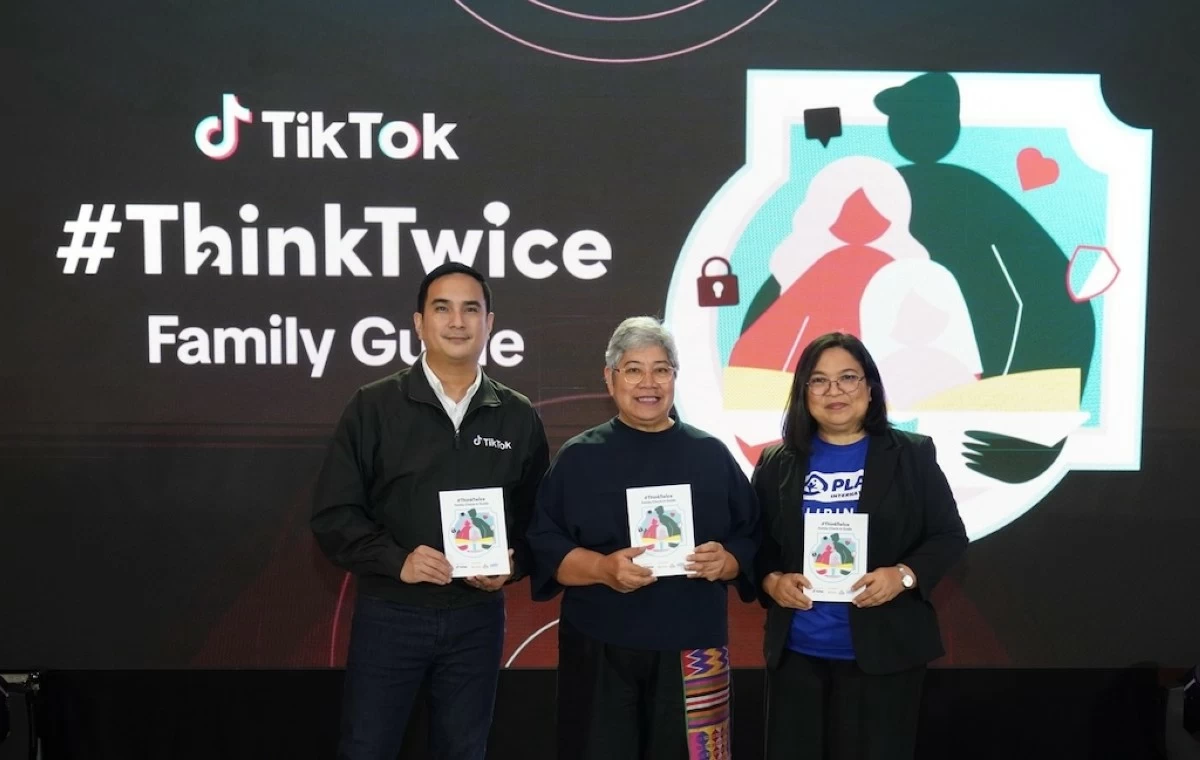
TikTok has officially launched the #ThinkTwice Family Guide in the Philippines, a resource designed to help teens and families navigate the digital world with greater confidence, awareness and responsibility.
The guide was unveiled during the #ThinkTwice Troop Townhall, held in celebration of International Youth Day, in partnership with the Child Rights Coalition-Asia, Child Rights Network and Plan International Pilipinas. It features conversation starters, reflection activities, digital safety tips, and information on TikTok’s safety tools and features to help families develop healthier online habits.
The guide complements TikTok’s more than 50 preset safety and privacy features for teen accounts, as well as its Family Pairing tools. Families can access the resource by searching “Think Twice” on TikTok, which directs users to the #ThinkTwice Digital Check-In Hub, where the full guide can be viewed and downloaded.
“For many families today, digital life is no longer separate from everyday life — it’s where young people learn, socialize, create, and discover who they are,” according to Yves Gonzalez, TikTok Philippines Public Policy Head. He said healthier digital habits require more than rules, emphasizing the importance of open conversations, mutual understanding and practical tools that families can explore together.
The town hall also featured discussions on the role of young people, parents and communities in creating safer digital spaces. Undersecretary Angelo Tapales of the Council for the Welfare of Children stressed that young people should be active participants in shaping safer online environments and that their voices should inform policies and programs.
“Digital parenting is not about knowing every application or monitoring every click,” Tapales said, adding that parents should not act as “security guards or police” in digital spaces but instead build trust and maintain open communication so teens feel comfortable seeking guidance and reporting concerns.
During the panel “Empowering Teens to Build Safer Digital Habits,” teen advocates Bea Vicente and Jhasper Galleza of Plan International Pilipinas, along with Charles Dwayne Sicad of the Council for the Welfare of Children, shared their experiences and perspectives on the opportunities and challenges young people face online. They emphasized the importance of equipping teens with the knowledge and confidence to make informed decisions while ensuring they have trusted adults and communities to turn to when problems arise.
A second panel brought together Plan International Pilipinas Program Manager Sheila Estabillo, Child Rights Coalition Asia Regional Executive Director Amihan Abueva, developmental and behavioral pediatrician Dr. Francis Dimalanta, and television host, educator and parent creator Kim Atienza. The discussion focused on how families and communities can foster trust and communication as young people gain greater independence online.
Estabillo said digital safety should be treated as a shared responsibility involving government, businesses, communities, local governments and families. Parents, she added, do not need to know every application or online trend but should strive to become trusted digital guides for their children.
Abueva similarly underscored the importance of establishing a strong parent-child relationship even before digital safety conversations begin, noting that trust and open communication at home can extend into a teenager’s online experiences.
Atienza encouraged parents to understand the language and digital environments of today’s youth. He urged parents to listen without judgment, meet young people where they are and become familiar with the social media platforms they use.
Dimalanta offered parents a simple framework through the TEEN acronym: Put Teens first; Establish daily routines; establish Emotional regulation; be Now or present in the moment; and Spark a conversation. He emphasized the importance of routines, emotional support and creating opportunities for natural, open dialogue between parents and teenagers.
TikTok said teen accounts have more than 50 preset safety and privacy features, including private-account settings, content restrictions and a daily screen-time limit of 60 minutes. The #ThinkTwice Family Guide complements the platform’s Safety Center resources, including its Guardian’s Guide and Teen Safety Center, by providing Filipino families with a localized resource for setting positive digital boundaries together.
Families can access the guide through the #ThinkTwice Digital Check-In Hub on TikTok, including by searching for digital safety-related terms within the app.