






 Philippines
National
Palace sees economy recovering in second half after 2.3% GDP growth
Philippines
National
Palace sees economy recovering in second half after 2.3% GDP growth
Palace sees economy recovering in second half after 2.3% GDP growth


At A Glance
- Malacañang said the economy could regain momentum in the second half of the year after second-quarter growth slowed to 2.3 percent.
- The Palace attributed the slowdown partly to the Middle East conflict and a temporary decline in public construction as the government intensified efforts against corruption in infrastructure spending.
- The administration plans to fast-track infrastructure projects, maintain price stability, support vulnerable sectors, expand exports, and tap opportunities from the global artificial intelligence (AI) and digital economy.
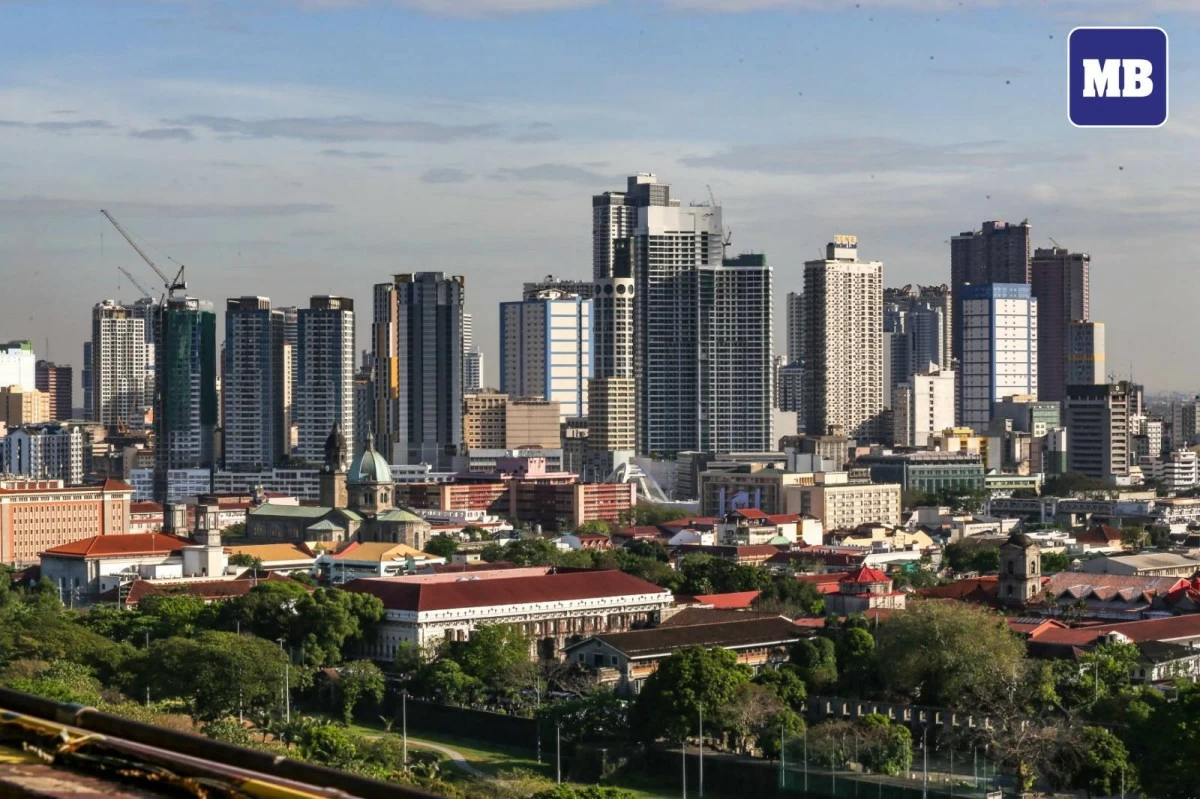
Malacañang expects the Philippine economy to regain momentum in the second half of the year after growth slowed to 2.3 percent in the second quarter, with the government moving to accelerate spending and infrastructure projects.
Presidential Communications Office (PCO) Undersecretary Claire Castro acknowledged that the latest growth figure was below the government's expectations but maintained that the slowdown would be temporary.
“We acknowledge that the country's economic growth in the second quarter was 2.3 percent. This result was lower than we had hoped,” Castro said Friday, Aug. 7.
“The numbers show the challenges we have faced, but they do not determine the country’s long-term direction. This slowdown is only temporary,” she added.
Castro said the government expects economic activity to improve as it speeds up spending and the release of budgets in the coming months.
“As the government continues to speed up spending and release budgets more quickly, we hope the economy can start to pick up in the second half of the year as well,” she said.
Middle East conflict, construction slowdown
The Palace Press Officer attributed the slowdown to unusual events, particularly the impact of the Middle East conflict on inflation, fuel prices, employment, and remittances, as well as weaker public construction.
Castro said the slowdown in public construction was temporary as the government intensified efforts to address corruption in infrastructure spending.
The administration plans to fast-track high-impact infrastructure projects, maintain price stability, and continue targeted assistance for vulnerable sectors as part of efforts to accelerate growth in the second half.
Among the interventions cited by Castro were expanded UPLIFT assistance covering 7.5 million families, the P12-per-liter Fuel Subsidy Program, and the Bawat Bayan Makikinabang Rice Program.
Exports, manufacturing show resilience
Despite weaker overall economic growth, Castro said exports grew by 12.2 percent on strong demand for electronics and semiconductors, AI-related products, and agricultural goods, with merchandise exports posting double-digit growth for five consecutive quarters.
Manufacturing expanded by 2.6 percent, while agriculture grew by 2.7 percent, and travel exports increased by 12.6 percent as tourism continued to recover.
Castro said the administration would seek to further expand exports and improve competitiveness while positioning the Philippines to benefit from the global AI and digital economy through investments in skills, technology, and higher-value industries, including Pax Silica.
Tax, power measures for middle class
The Palace also cited priority Legislative-Executive Development Advisory Council (LEDAC) measures aimed at supporting the middle class and household consumption, including proposals to raise the personal income tax exemption threshold to P350,000 and abolish the travel tax.
Other measures include proposed amendments to the Electric Power Industry Reform Act (EPIRA) to prohibit distribution utilities and electric cooperatives from passing system loss charges and the corresponding value-added tax to consumers, the Sariling Kuryente Act, a minimum corporate income tax exemption for small businesses, and a general tax amnesty.