






Manila Bulletin
 Philippines
National
Comelec ready for Nov. 2 BSKE despite postponement bills in House, Senate
Philippines
National
Comelec ready for Nov. 2 BSKE despite postponement bills in House, Senate
Philippines
National
Comelec ready for Nov. 2 BSKE despite postponement bills in House, Senate
Comelec ready for Nov. 2 BSKE despite postponement bills in House, Senate
By Dhel Nazario
Published Aug 6, 2026 02:11 pm


At A Glance
- Comelec says it is fully prepared to conduct the Barangay and Sangguniang Kabataan Elections on Nov. 2 despite the filing of five to six House bills seeking to postpone the polls.
- Chairman George Erwin Garcia stressed that postponing the elections is a political decision that belongs to Congress and the Executive, while Comelec will implement whatever the law provides.
- Garcia said any postponement must be consistent with Supreme Court rulings, citing the previous extension of barangay officials' terms, while noting that rising fuel costs and the energy crisis were not factored into Comelec's election budget.
The Commission on Elections (Comelec) is prepared to conduct the Barangay and Sangguniang Kabataan Elections (BSKE) on Nov. 2 despite the filing of several bills in the House of Representatives seeking to postpone the polls, Comelec Chairman George Erwin Garcia said Thursday.
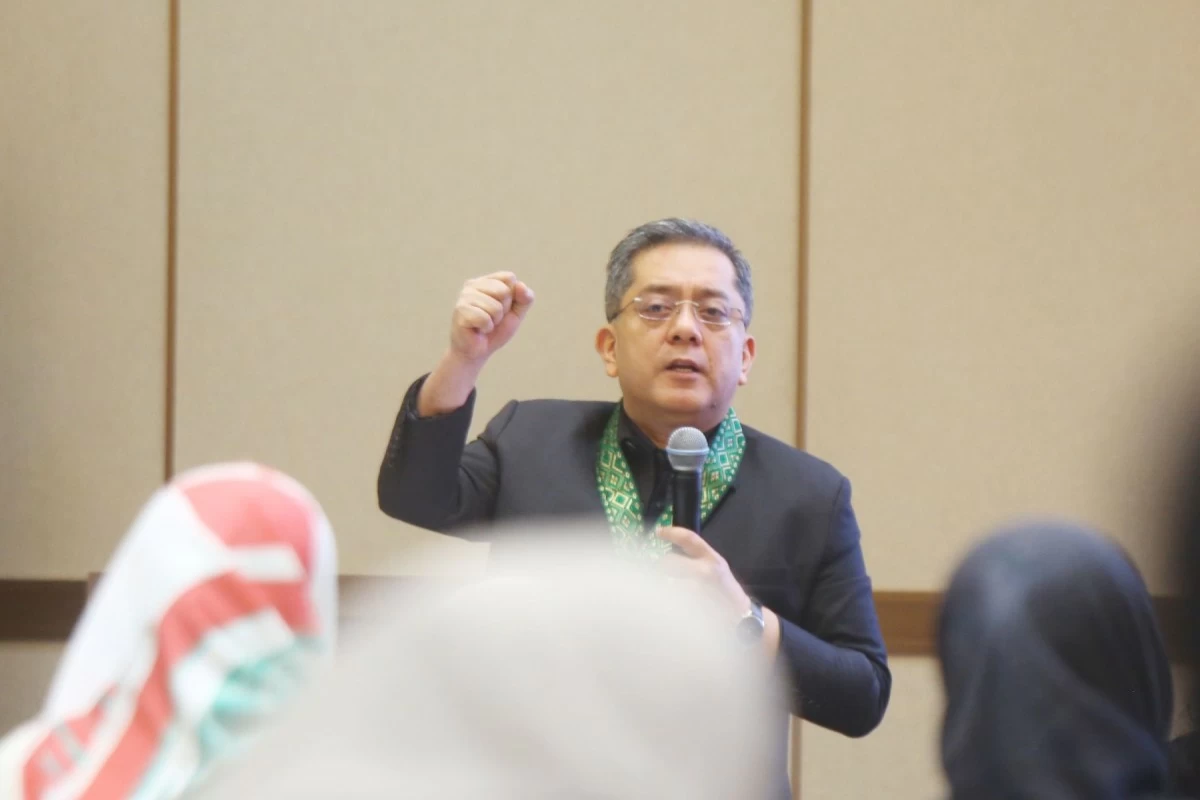
Commission on Elections chair George Erwin Garcia speaks before the participants of the Bangsamoro Parliament Speakers Bureau Training at Aria Hotel in Davao City on Tuesday, August 4. (Keith Bacongco)
Speaking at a press conference in Davao City, Garcia said the poll body remains focused on the existing election schedule, noting that any decision to defer the elections rests with Congress and the Executive.
"Until today, the law is [that] there is an election by November 2," Garcia said.
There are at least three bills seeking to postpone the BSKE in the House, but Garcia stressed that the Comelec is ready to proceed with the elections under the current law.
In the Senate, Senator Imee Marcos has filed a measure seeking to move the November 2026 BSKE to October 2027. Marcos said the passage of the bill into law would help Filipinos bear the cost of traveling, as the high cost of fuel could bar them from the polls and from exercising their right to suffrage.
The senator said moving the date to October 2027 would help relieve Filipino families from financial strain, especially since they would have to go to the provinces on election day. Election day falls on All Souls' Day.
Garcia acknowledged, however, that the poll body's budget did not account for possible increases in operational costs brought about by the energy crisis, including higher fuel prices that could affect the transport of election equipment.
"We are affected by the increase in gasoline prices because even the deployment of equipment requires paying for ships and other transportation. Those additional costs were not factored into our budget," he said.
Garcia said the Comelec would participate in any congressional hearings on the proposed postponement and inform lawmakers that the commission is prepared to hold the elections as scheduled.
He emphasized that postponing elections is a political decision beyond the Comelec's authority.
"Postponing the election is not the call of the Comelec. It's the call of our Congress and the Executive Department. Whatever their decision may be, the Comelec will just follow," he said.
Garcia added that the poll body would support any measure postponing the elections as long as it is consistent with the Supreme Court's previous rulings.
He cited the last postponement of the BSKE, when Congress extended the term of barangay and SK officials from three years to four years. The law was upheld after the Supreme Court did not stop its implementation, he noted.
According to Garcia, Article X, Section 8 of the Constitution provides that while the terms of local officials are generally three years, the term of barangay officials "may be determined by law," giving Congress the authority to lengthen or shorten their tenure.
"Meaning, the term of office of barangay officials can be less than three years. It can be more than three years because it is determined by law, by Congress," Garcia said.