







Tea for Harmony showcases Chinese tea culture in the Philippines
Chinese Ambassador Jing Quan, Malaysian Ambassador Abdul Malik Melvin Castelino, diplomats, dignitaries, and media guests gather for an afternoon celebrating traditional Chinese tea arts and cultural exchange
Published Aug 1, 2026 09:54 am


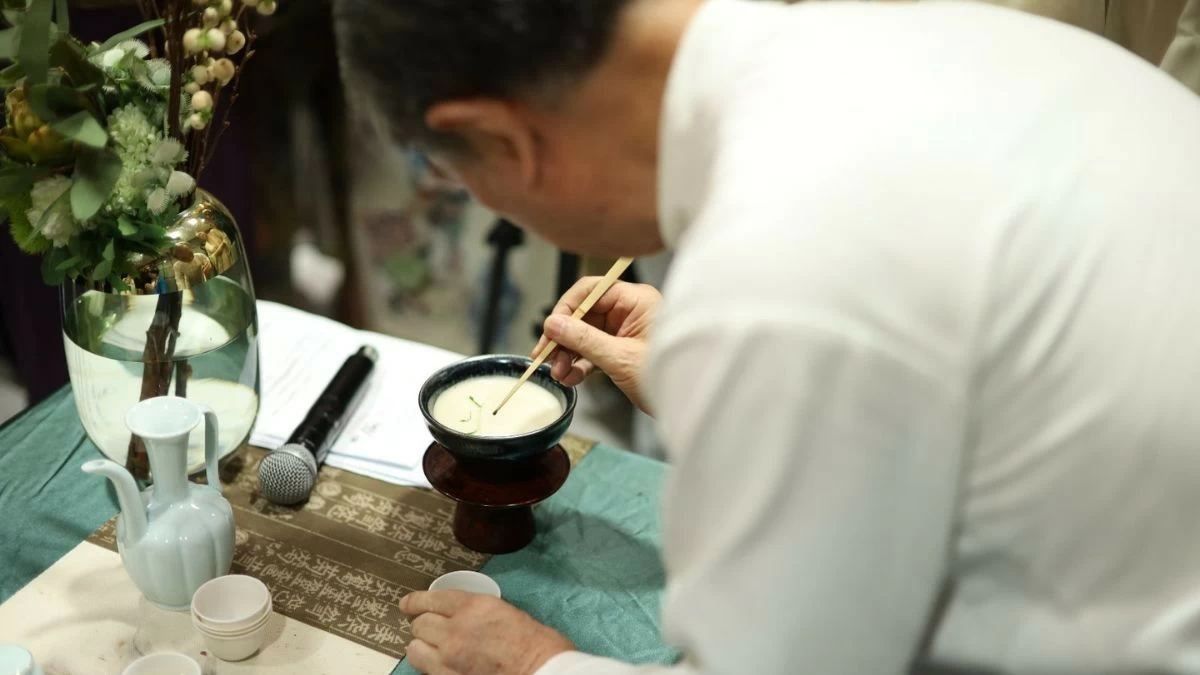
TEA AS CANVAS A Tea for Harmony Yaji Cultural Salon participant creates Tea Baixi, a traditional Chinese tea art that uses tea foam as a canvas for intricate designs. The event showcased centuries-old tea traditions and highlighted tea's role in promoting cultural exchange and friendship. (Photo: Chinese Embassy Manila)
The rich traditions of Chinese tea culture took center stage at the Tea for Harmony Yaji Cultural Salon, bringing together diplomats, cultural leaders, and members of the media for an afternoon of tea appreciation and cross-cultural exchange.
Hosted by the Ministry of Culture and Tourism of the People's Republic of China and the Embassy of the People's Republic of China in the Philippines, the event last July 29 highlighted the history, artistry, and enduring significance of tea in Chinese culture.
Among those in attendance were Chinese Ambassador to the Philippines Jing Quan and Malaysian Ambassador to the Philippines Abdul Malik Melvin Castelino, alongside members of the diplomatic corps, dignitaries, and media representatives.
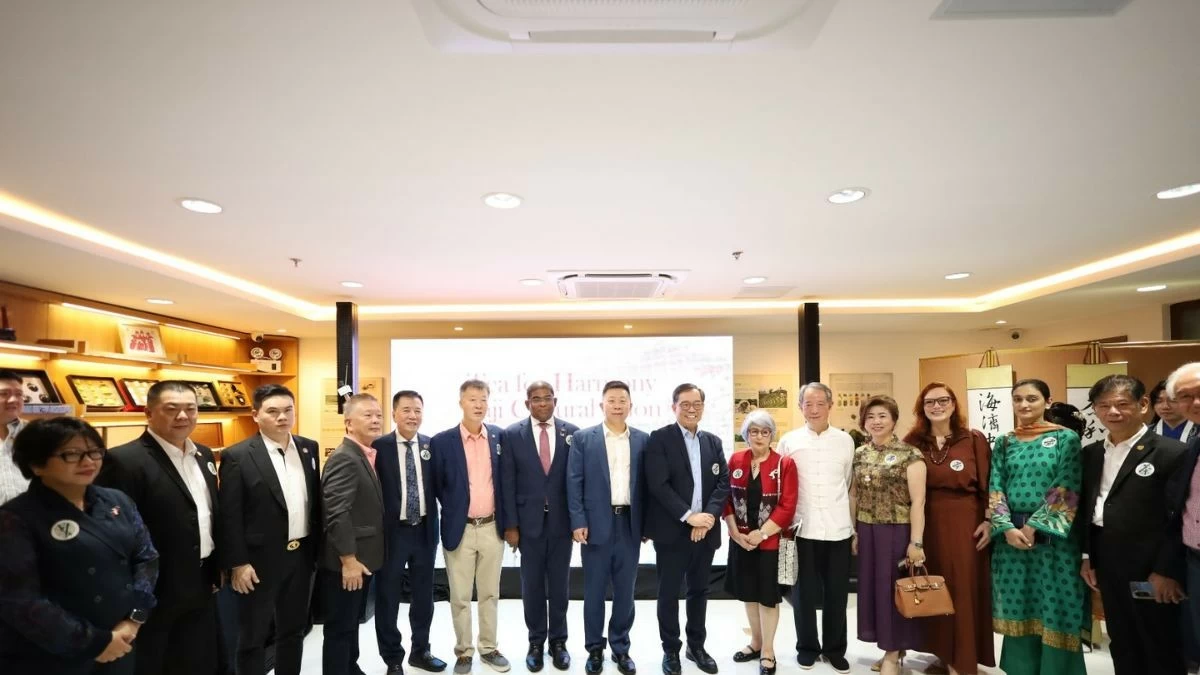
DIPLOMATIC TEA TIME Chinese Ambassador to the Philippines Jing Quan (center) joins fellow diplomats, dignitaries, and guests during the Tea for Harmony Yaji Cultural Salon in Pasay City. (Photo: Chinese Embassy Manila)
Guests were introduced to Song Dynasty whisked tea, also known as Song-style diancha, a centuries-old preparation method in which finely ground tea is whisked into a delicate froth. The program also featured Tea Baixi, a traditional tea painting technique that uses tea foam as a canvas for intricate designs.
Beyond the demonstrations, attendees learned about the evolution of Chinese tea-drinking traditions and the country's UNESCO-recognized traditional tea-making techniques and associated social practices.
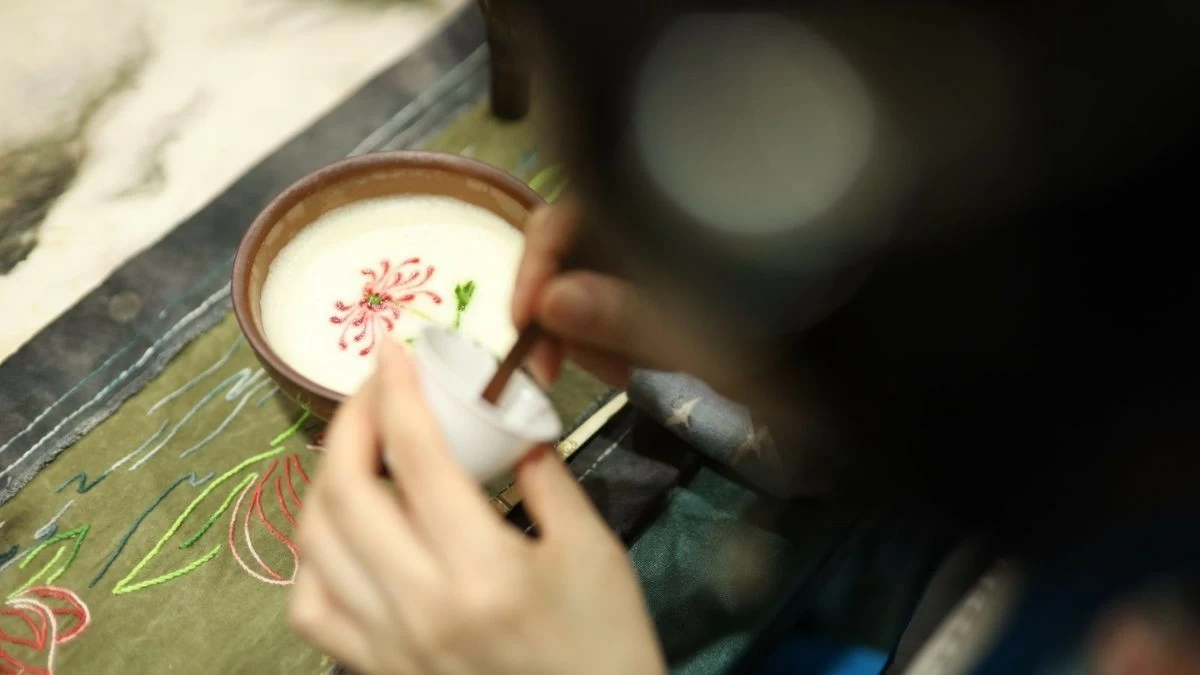
A PALETTE OF TEA
Colorful Tea Baixi creations showcase the artistry of traditional Chinese tea painting during the Tea for Harmony Yaji Cultural Salon. Using tea foam as a canvas, participants transformed cups of tea into intricate works of art while exploring centuries-old tea traditions. (Photo: Chinese Embassy Manila)
The cultural salon emphasized tea's role beyond the teacup, highlighting how the tradition continues to foster cultural exchange, mutual understanding, and friendship between China and the Philippines.
Through demonstrations and discussions, the event offered guests an opportunity to experience one of China's enduring cultural traditions while reinforcing the value of shared heritage and people-to-people connections.
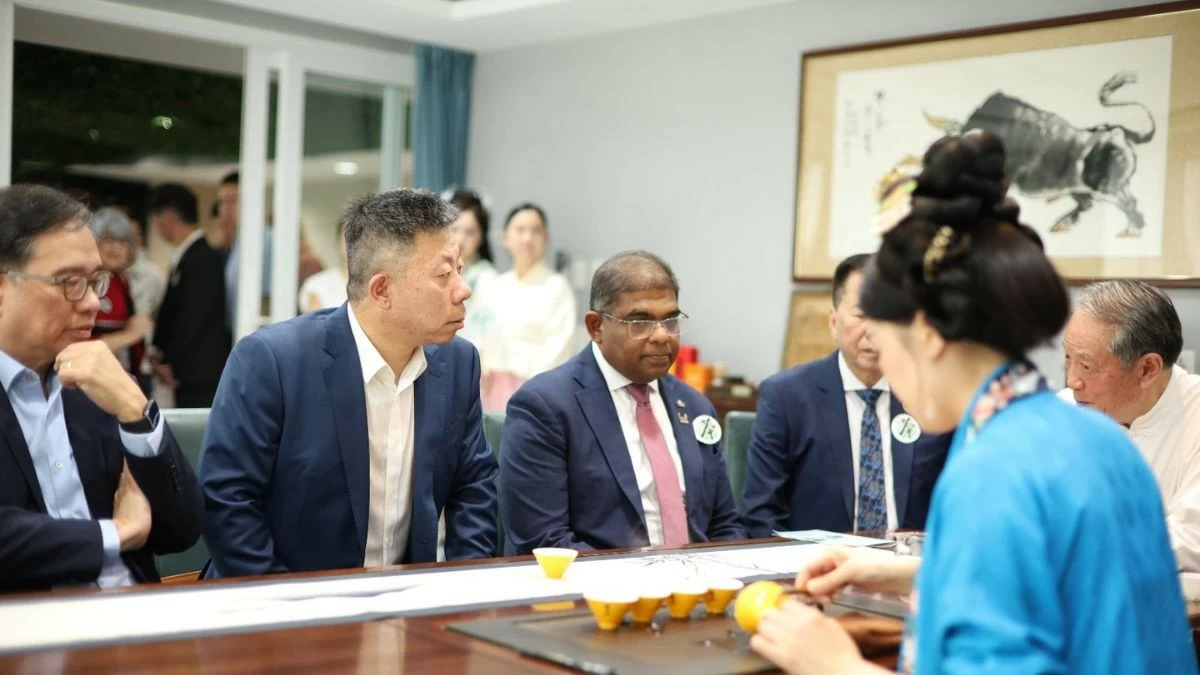
A CLOSER LOOK Chinese Ambassador to the Philippines Jing Quan and Malaysian Ambassador to the Philippines Abdul Malik Melvin Castelino observe a traditional Chinese tea-making demonstration during the Tea for Harmony Yaji Cultural Salon in Pasay City. (Photo: Chinese Embassy Manila)
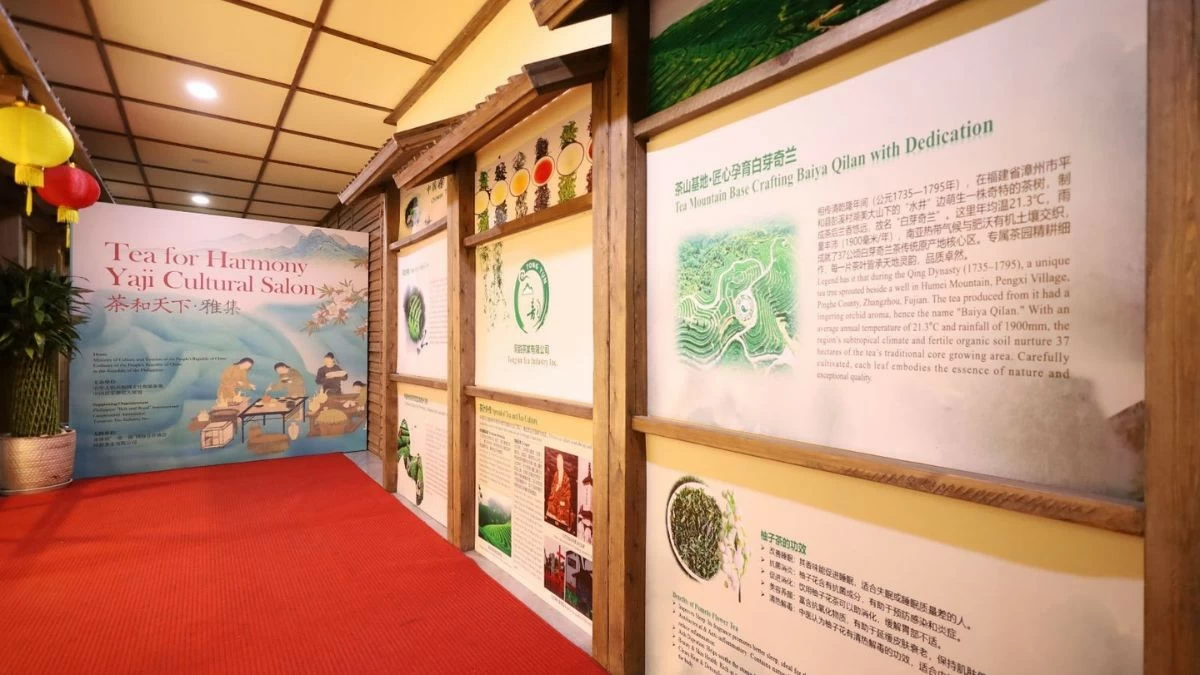
A JOURNEY THROUGH TEA HISTORY
Exhibits tracing the history, traditions, and cultural significance of Chinese tea welcomed guests at the Tea for Harmony Yaji Cultural Salon. The displays offered insights into centuries of tea heritage, from ancient customs to the enduring role of tea in cultural exchange. (Photo: Chinese Embassy Manila)