







Luxury, revisited: Amorita's next chapter in Palawan
More than a decade after first discovering Amorita in Bohol, a return to the brand reveals how its newest Puerto Princesa resort builds on the same signature hospitality with striking architecture, thoughtful design, and memorable dining
Published Aug 1, 2026 10:25 am


(Photo: Amorita Resort and Spa Palawan)
Allow me to sing my praises to One-Of Collection—the boutique hospitality management group behind Amorita Resort, Momo Beach House, and The Funny Lion—which, as a young lifestyle journalist more than a decade ago, introduced me to what real luxury Filipino hospitality is all about.
I can think of only a handful of local hospitality companies that consistently match this group's level of service, accommodations, and destinations.
It was the 2010s, and as a young writer, I was cutting my teeth on the local travel beat. I was assigned to explore Bohol's lesser-known destinations. We ventured to the northern reaches of the island, from the stepped farms of the Cadapdapan Rice Terraces in Candijay, reminiscent of those in the Cordilleras, all the way to Ubay, with its eco-agritourism sites, picturesque dams, and beaches.
(Photo: Amorita Resort and Spa Palawan)
Throughout the trip, we stayed in modest provincial accommodations, comfortable enough, with trademark Filipino hospitality, and were served good honest provincial fare, with the occasional lechon to my delight. Toward the end of the journey, our local government hosts casually mentioned that a major resort in Panglao was supporting their efforts to promote Bohol tourism, and that we would spend our final nights there.
That was my first stay at Amorita Resort Bohol. The contrast between it and the modest inns we had stayed in throughout the trip was striking. I even wrote in my newspaper article that the villa assigned to me looked "straight out of a Taschen architecture coffee table book." The architecture, the interiors, the impeccable service, the food, and the villa with its own lap pool left my young writer's mind completely blown. So this is what a Filipino hospitality brand can do, I remember thinking. It could go toe to toe with the best international resorts. I was pampered to no end.
(Photo: Amorita Resort and Spa Palawan)
Now, years later and far more seasoned on the lifestyle beat, I thought I had seen it all and tasted it all. So when an invitation arrived to visit the newly opened Amorita Resort and Spa in Puerto Princesa, Palawan, I assumed it would simply be a larger, newer version of the Bohol property.
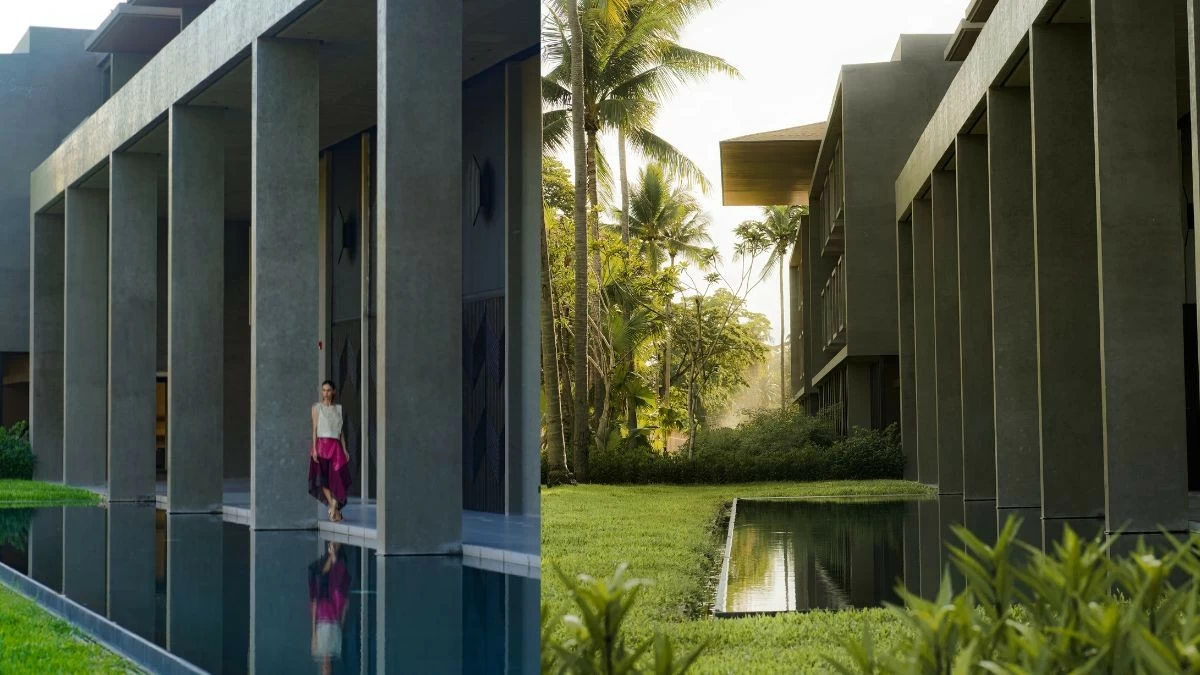
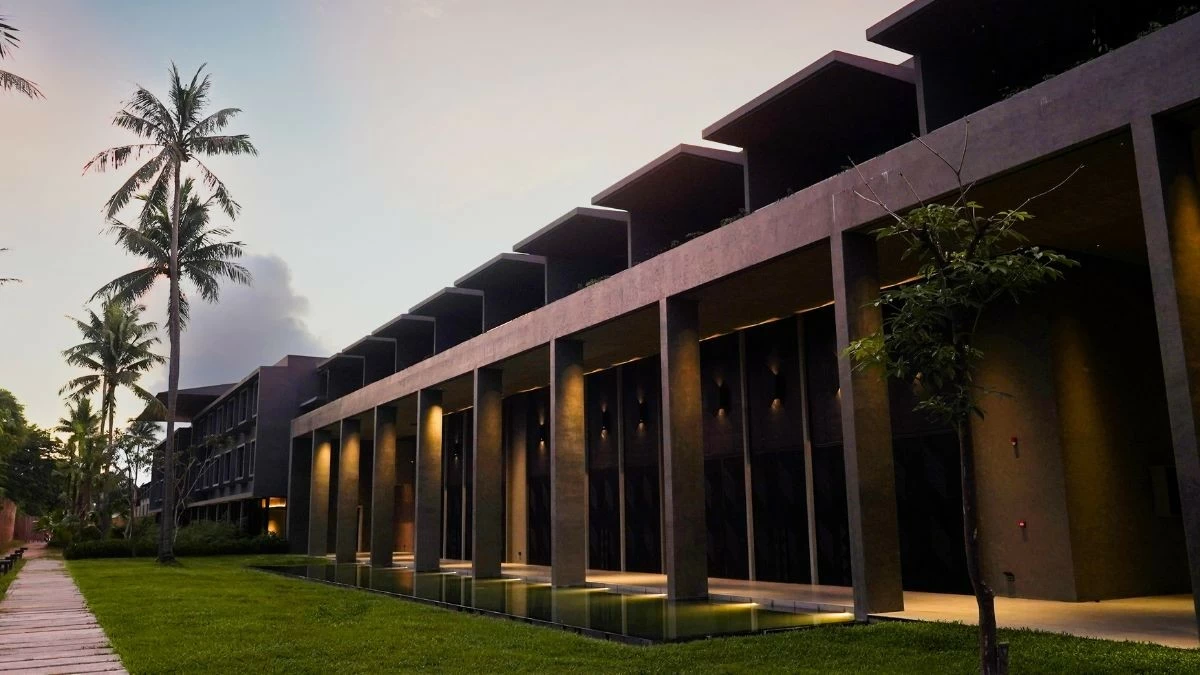
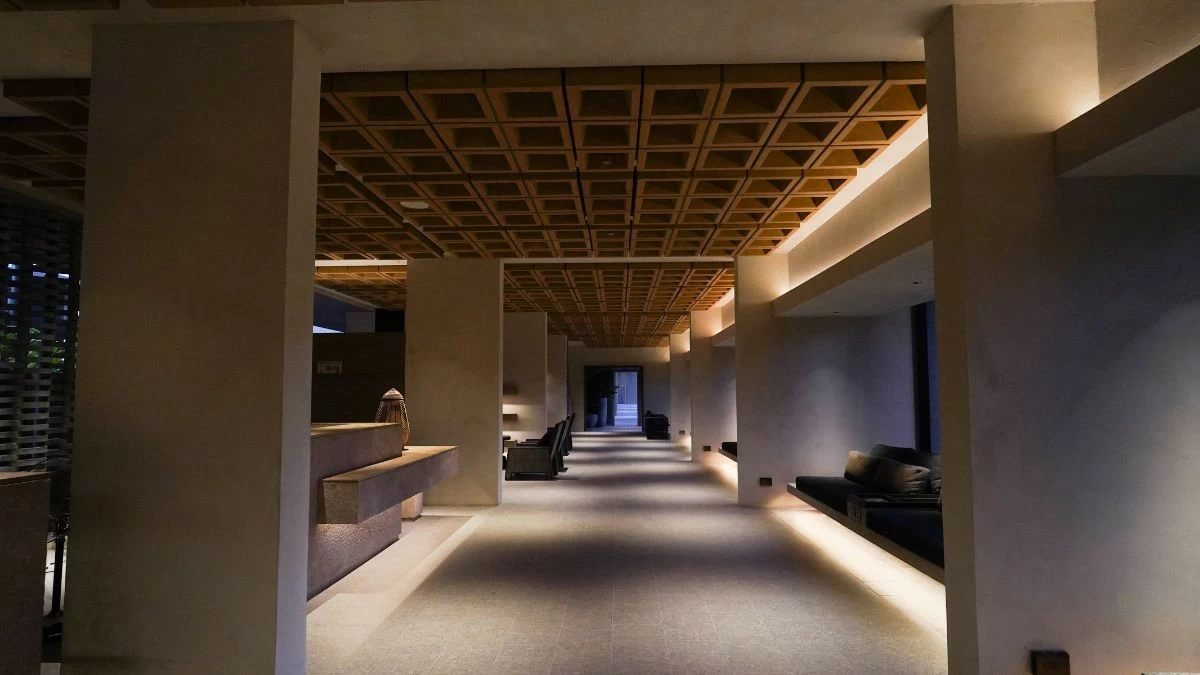
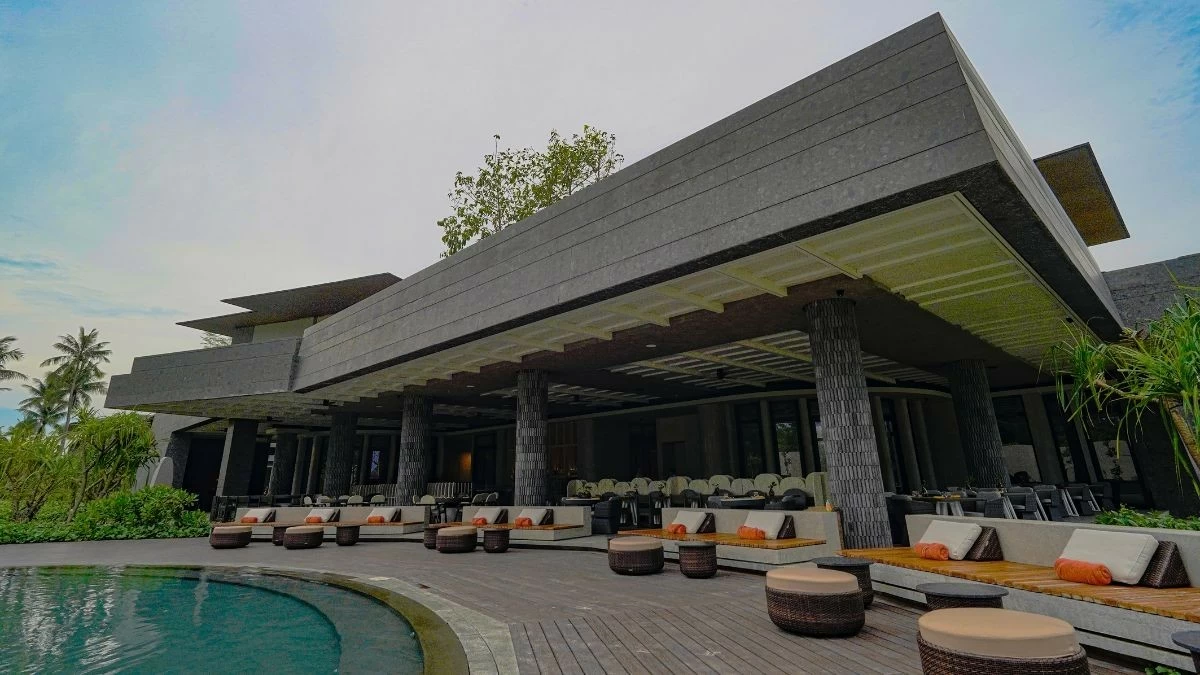
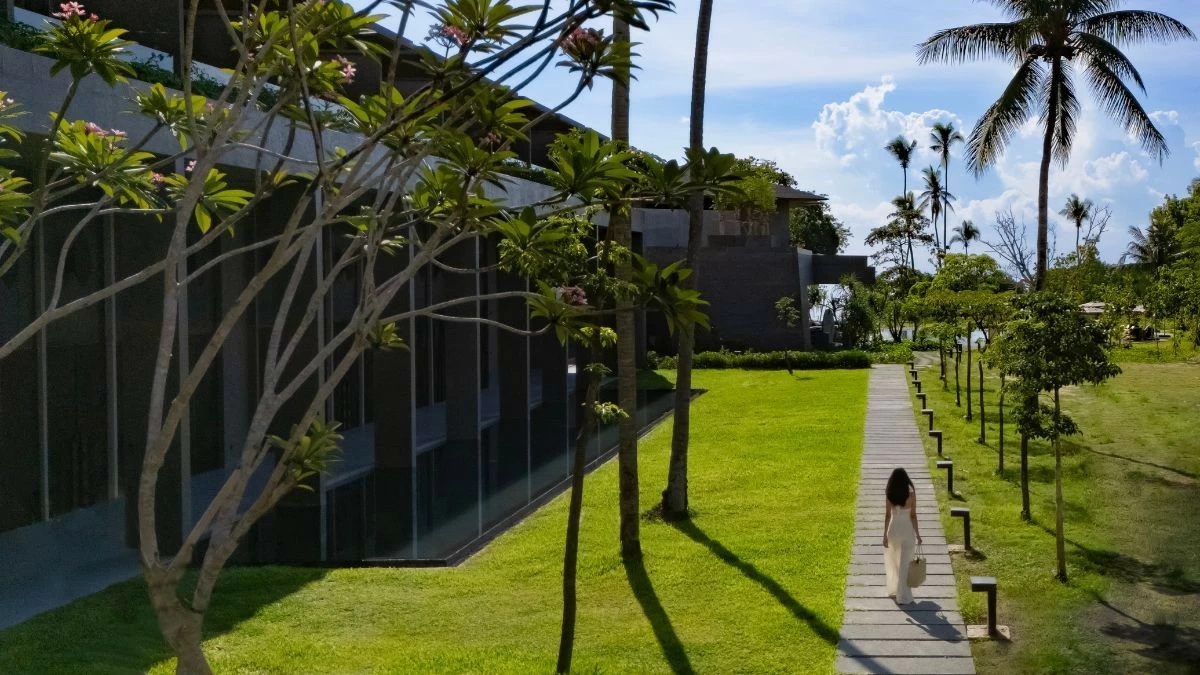
I was wrong. The new resort immediately impresses with its confident architectural language. Set along a secluded mangrove-lined shoreline overlooking the Sulu Sea, the property embraces expansive open spaces, earth-toned materials, and seamless indoor-outdoor transitions that allow nature to become part of the experience rather than just the backdrop. The restrained palette of grays, generous volumes, long horizontal lines, and cantilevered forms give the resort an unmistakably contemporary character—positively international moderne.
(Photo: Amorita Resort and Spa Palawan)
There are unmistakable Brutalist influences throughout the property too, softened by lush landscaping and natural light. Walking through its corridors repeatedly reminded us of Frank Lloyd Wright's principle of compression and release, where enclosed passages suddenly open into expansive spaces overlooking gardens, pools, and the sea. The effect makes every arrival feel calculated, allowing the architecture to reveal itself gradually instead of all at once.
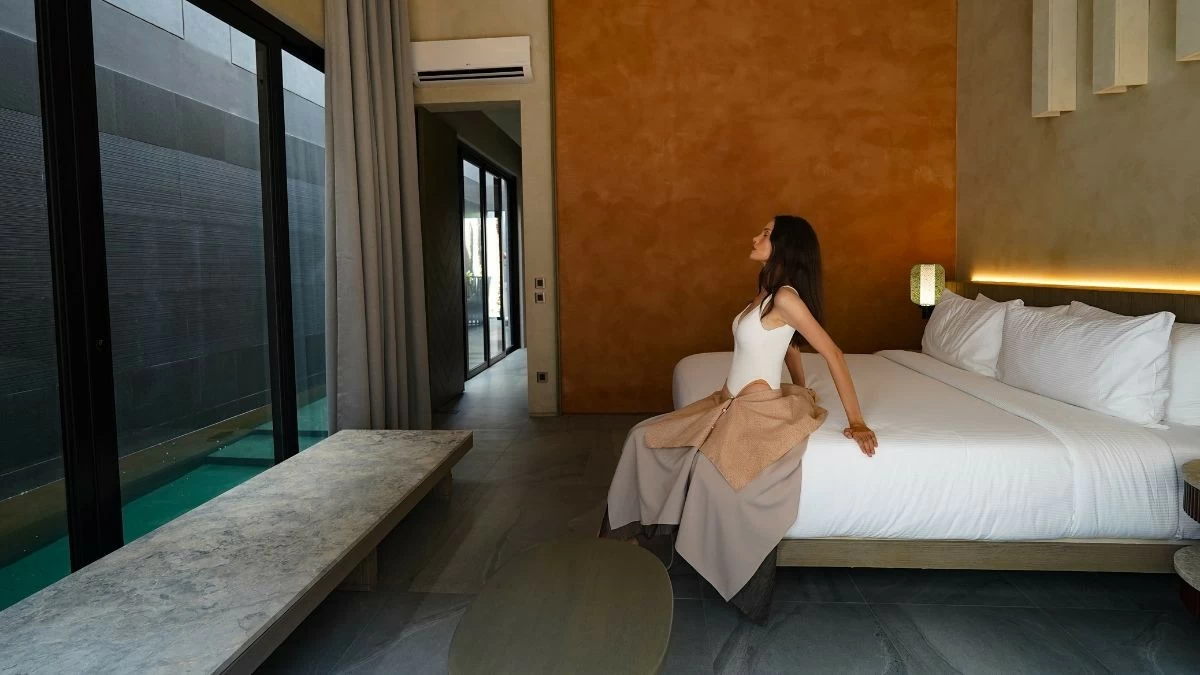
Our villa could only be described as indulgent, yet restrained in design. The generous living area, soaring ceilings, and thoughtfully planned bathroom with separate his-and-her vanities all contribute to a feeling of spaciousness. Beyond the bedroom is an enclosed outdoor area where a large soaking tub sits beside a wooden daybed, creating a private sanctuary where you can bask in the sun without leaving your villa. And yes, there is also a private dipping pool. The property's Palawan Pool Villas measure 109 square meters and include two gardens, further reinforcing the sense of privacy.
(Photo: Amorita Resort and Spa Palawan)
The resort itself extends well beyond its accommodations. In addition to its suites and villas, guests have access to two swimming pools, a full-service spa, a fitness center, and event spaces that can accommodate up to 200 guests, making it equally suited for leisure escapes, weddings, and corporate retreats.
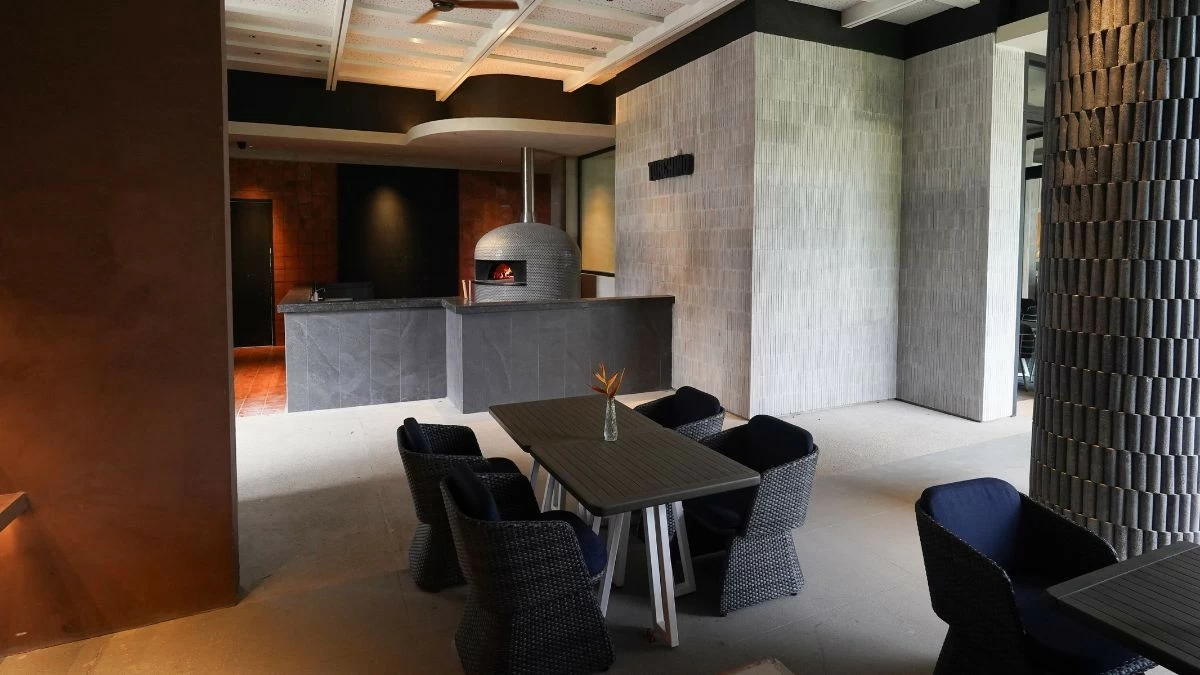
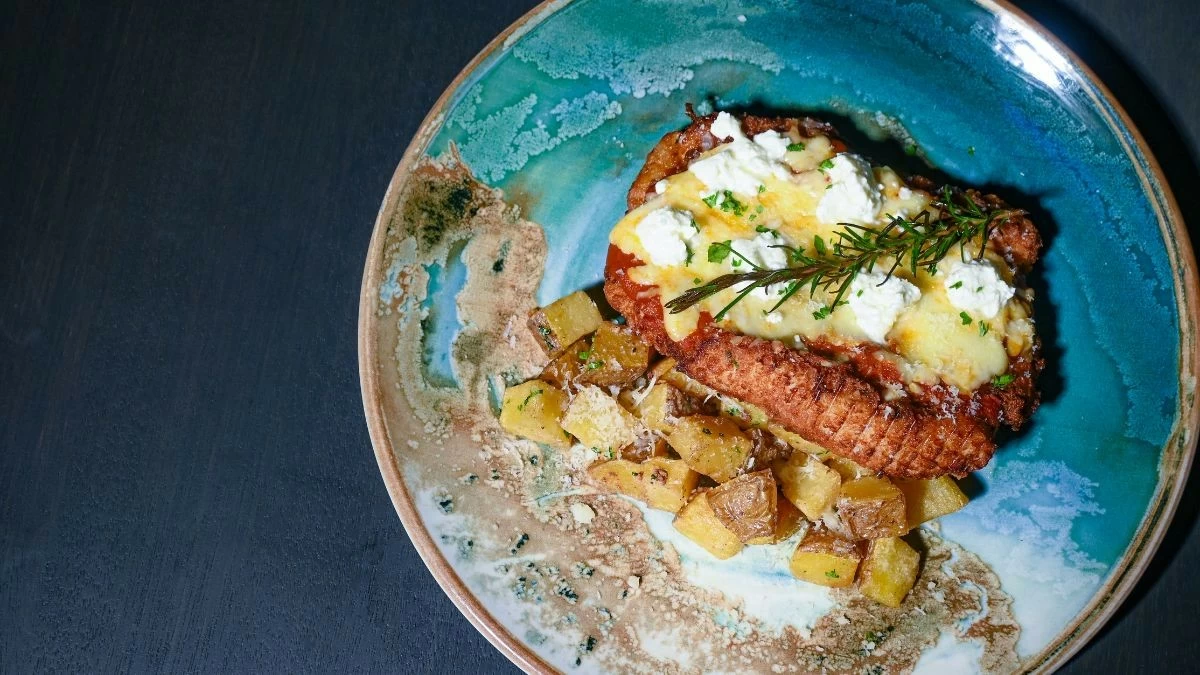
The food is every bit as elevated as the accommodations. Dining revolves around two distinct restaurants. Katala, the all-day dining restaurant named after Palawan's critically endangered cockatoo, interprets Filipino cuisine through a contemporary Asian lens using regional flavors and locally sourced ingredients. Turchino, meanwhile, offers a more intimate Italian dining experience centered on handcrafted pastas, responsibly sourced seafood, and refined takes on Mediterranean classics.
(Photo: Amorita Resort and Spa Palawan)
Among Katala's standouts were the coconut-infused Sambal Ceviche brightened with pineapple green chili sambal and pomelo, the crisp Ocean Fritte loaded with fresh seafood, and the beautifully layered Katala Cake made with purple yam crème caramel, cassava flan cake, and cheese tuile. The menu also features dishes such as Tamarind Beef, Pork Belly Rendang, Jackfruit Mahi, and Inasal ala Puebla, reflecting both Filipino flavors and broader Asian influences.
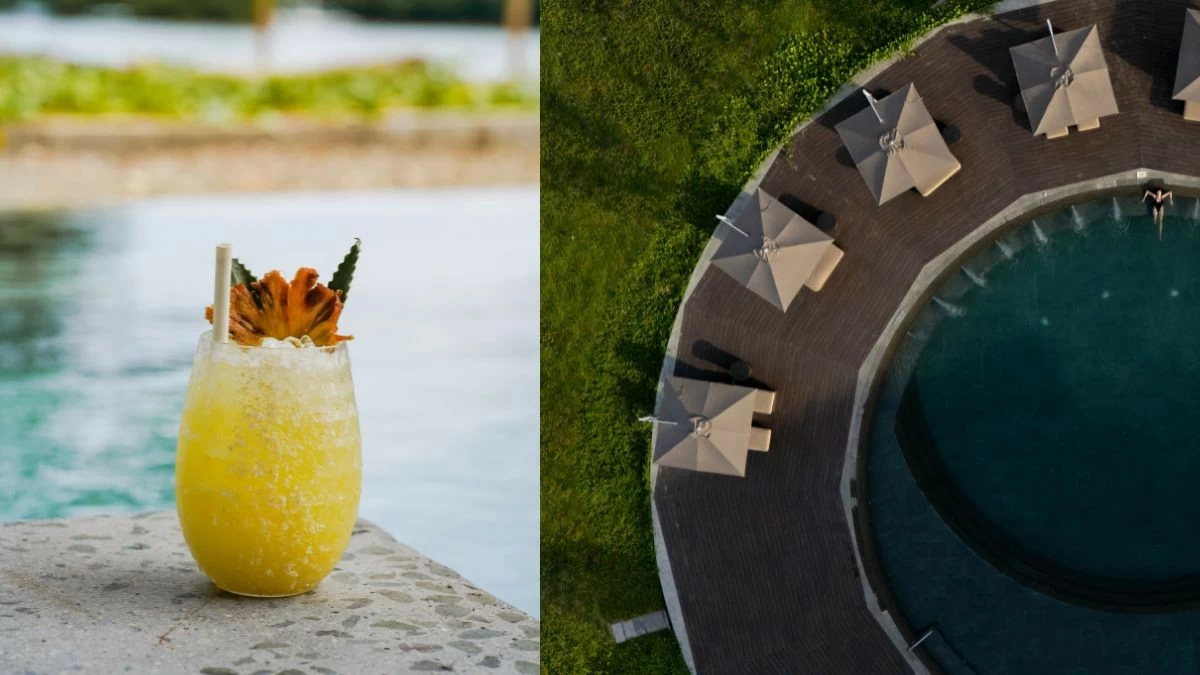
Still, my favorite discovery came not from the kitchen but from the bar. The Frozen Colada quickly became my drink of choice. Blended with white rum, coconut rum, pineapple, and coconut cream, it was refreshing without being overly sweet and had just enough alcohol to keep the mood light. Before long, the staff had caught on. I had one with lunch, another during dinner, and yet another while lounging by the pool under the midday Palawan sun on our final afternoon. Some trips are remembered through landmarks or photographs. I'll probably remember this one through a Frozen Colada.
(Photo: Amorita Resort and Spa Palawan)
Of course, Puerto Princesa offers no shortage of things to do. You can spend the day island hopping in Honda Bay, take the boat through the Puerto Princesa Underground River, wander among the fireflies of the Iwahig River, explore the mangrove forests, or simply make your way around the city's seafood restaurants and local markets.
But for me, I never felt the urge to leave. Perhaps that's because, over the years, this job has taken me to nearly every corner of Puerto Princesa. I've explored its islands, written about its attractions, and returned often enough that this trip didn't feel like another assignment to tick off a list of destinations.
(Photo: Amorita Resort and Spa Palawan)
Instead, it became something far rarer in my line of work: an opportunity to slow down. Between mornings by the pool, long meals at Katala and Turchino, afternoons with a Frozen Colada in hand, and evenings spent watching the light fade over the Sulu Sea, I found that the resort itself was enough.
More than a decade after Amorita first showed a young travel writer what Filipino luxury hospitality could be, its Puerto Princesa home reminded me why I never forgot that first stay—and why I'm still a journalist, still excited with new things to try and discover.
(Photo: Amorita Resort and Spa Palawan)
(Photo: Amorita Resort and Spa Palawan)