






Manila Bulletin
 Philippines
National
Nazal's bill outlaws passing on systems loss charges to electricity consumers
Philippines
National
Nazal's bill outlaws passing on systems loss charges to electricity consumers
Philippines
National
Nazal's bill outlaws passing on systems loss charges to electricity consumers
Nazal's bill outlaws passing on systems loss charges to electricity consumers
Published Jul 30, 2026 12:13 pm


At A Glance
- House Assistant Minority Leader Robert Nazal files House Bill No. 10357 prohibiting distribution utilities from passing system loss charges and related VAT to consumers.
- The bill amends RA 7832 and RA 9136 (EPIRA), treating system losses as operating expenses of utilities and requiring efficiency plans, audits, and ERC oversight.
- Nazal stresses consumer protection and accountability, urging the House to begin hearings and calling on the President to certify the measure as urgent.
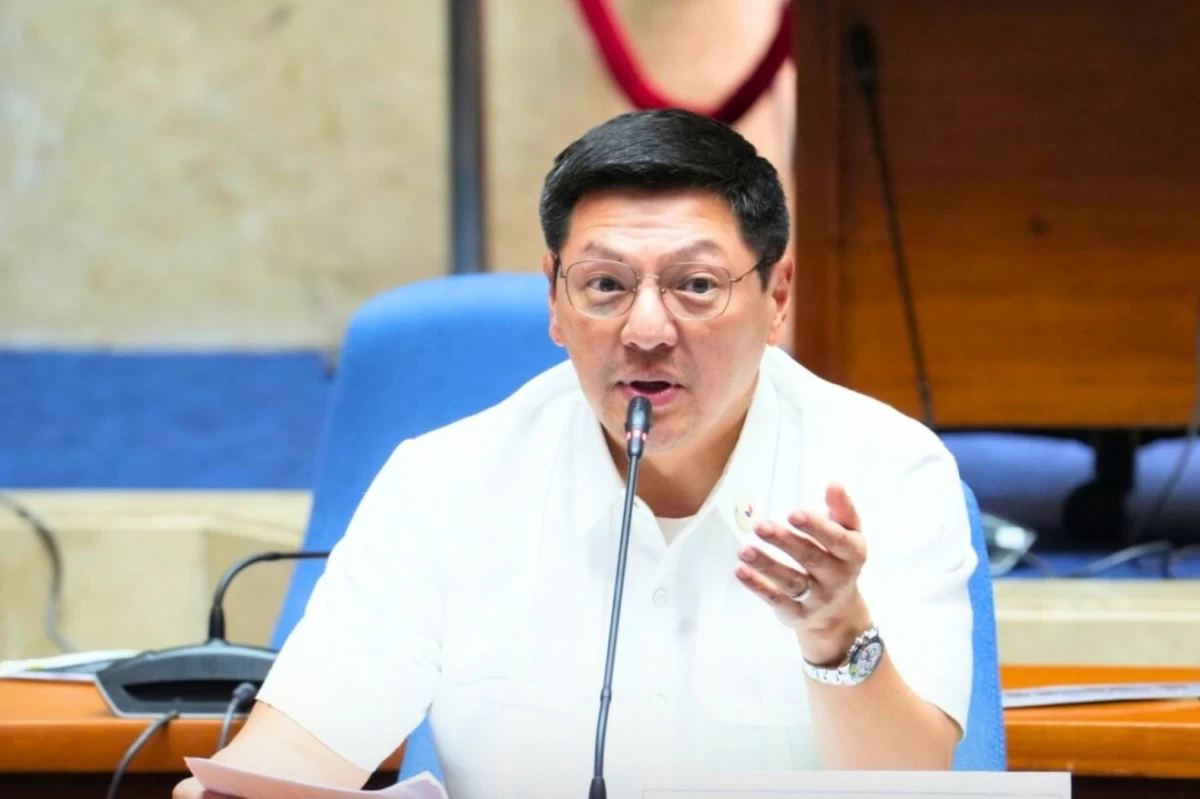
Bagong Henerasyon (BH) Party-list Rep. Robert Nazal (Contributed photo)
House Assistant Minority Leader Bagong Henerasyon (BH) Party-list Rep. Robert Nazal has filed a measure that would prevent distribution utilities (DU) from passing on system loss charges to its customers.
House Bill (HB) No. 10357, was filed by Nazal on July 28, a day after President Marcos demanded in his fifth State of the Nation Address (SONA) the removal of the system loss charge from the bill of the Manila Electric Company (Meralco) and other DUs.
Under the bill, any direct or indirect recovery of the distribution system loss charges and the value added tax imposed on this from consumers will be prohibited.
The bill amends Republic Act (RA) No. 7832, as amended, and RA No. 9136 or the Electric Power Industry Reform Act (EPIRA)of 2001.
The party-list solon argued that electricity, as an essential public service should be provided at a just and reasonable cost.
For Nazal, the practice by the distribution utilities of passing on system losses to its consumers is wrong and that these companies should shoulder the cost as part of its operations.
“Ang consumer ay dapat magbayad para sa kuryenteng aktuwal na naihatid sa kaniya—hindi para sa kuryenteng nawala dahil sa pagnanakaw, kakulangan sa pagpapanatili, o kahinaan ng Sistema. The entities that control the system must bear the responsibility for improving it,” he said.
(The consumer must pay only for the electricity actually delivered to them—not for electricity lost due to theft, poor maintenance, or system weakness. The entities that control the system must bear the responsibility for improving it.)
“Ang panawagan natin sa ating mga kasamahan sa Kamara ay simulan na ang pagdinig sa panukalang pag amyenda sa EPIRA. At kung talagang seryoso ang Pangulo sa sinabi niya sa kanyang SONA dapat i-certify niya as urgent ang panukalang ito pagdating nito sa plenaryo,” he added.
(Our call to our colleagues in the House is to begin hearings on the proposed amendments to EPIRA. And if the President is truly serious about what he said in his SONA, he should certify this proposal as urgent once it reaches the plenary.)
President Marcos' call to scrap systems loss charges earned him a standing ovation from lawmakers during his SONA.
In filing the bill, Nazal explained that the objective is to advance consumer protection, strengthen accountability, and create a direct incentive for electric utilities and other industry participants to invest in efficient, secure and reliable power systems.
It says the charging, billing, collection or recovery of technical and non-technical system losses from electricity end-users is prohibited. These losses are treated as operating expenses and business risks of the entities involved.
The authority of the Energy Regulatory Commission (ERC) to approve the direct and indirect recovery through tariffs, riders, adjustment mechanisms, surcharges, or other rate components is also withdrawn.
To prevent any attempt by the distribution utilities to circumvent the prohibition, the bill prohibits the recovery or offsetting distribution system losses by means of changing the name or description of the charge; embedding the cost in another rate or billing component; creating or modifying a rider, surcharge, adjustment mechanism, regulatory asset, deferred account, true-ip mechanism or similar device; increasing another regulated charge for the purpose of recovering or replacing or offsetting the system loss item; transferring the cost through an affiliate, subsidiary, contractor, supplier or related entity; or adopting any other arrangement that has the purpose or effect of transferring distribution system loss to end users.
The bill also amends Section 10 of RA No.7832 or the Anti-Electricity and Electric Transmission Lines/Materials Pilferage Act of 1994 to impose the same prohibition on recovering system loss from the consumers.
Nazal, in his bill, also included an amendment to Section 25 of RA No. 9136 to allow the ERC to regulate the retail rates charged by the DUs based on the recovery of prudent and reasonable economic costs actually incurred in providing electricity and distribution services.
Within 180 days from the effectivity of the proposed law, every DU is required to submit to the ERC a five-year distribution efficiency and system loss reduction plan.
They will also undergo an independent energy and system loss audit at least once every three years.
Any amount collected in violation of the proposed law will be refunded to the affected consumer or credited against succeeding electricity bills.
The bill also mandates the ERC to publish an annual performance scorecard for all distribution utilities and electric cooperatives.
Last May 4, 2026, Nazal and SAGIP Party-list Rep. Paolo Henry Marcoleta filed House Resolution No. 976 seeking an inquiry into the electricity rates, pass-through charges, and related practices of Meralco, and urging the ERC to conduct a comprehensive review and audit of the books of the DU.