ADVERTISEMENT

World Bank: 'GovTech' slashes corruption risks in Philippines' 4Ps

Published Jul 29, 2026 03:21 pm
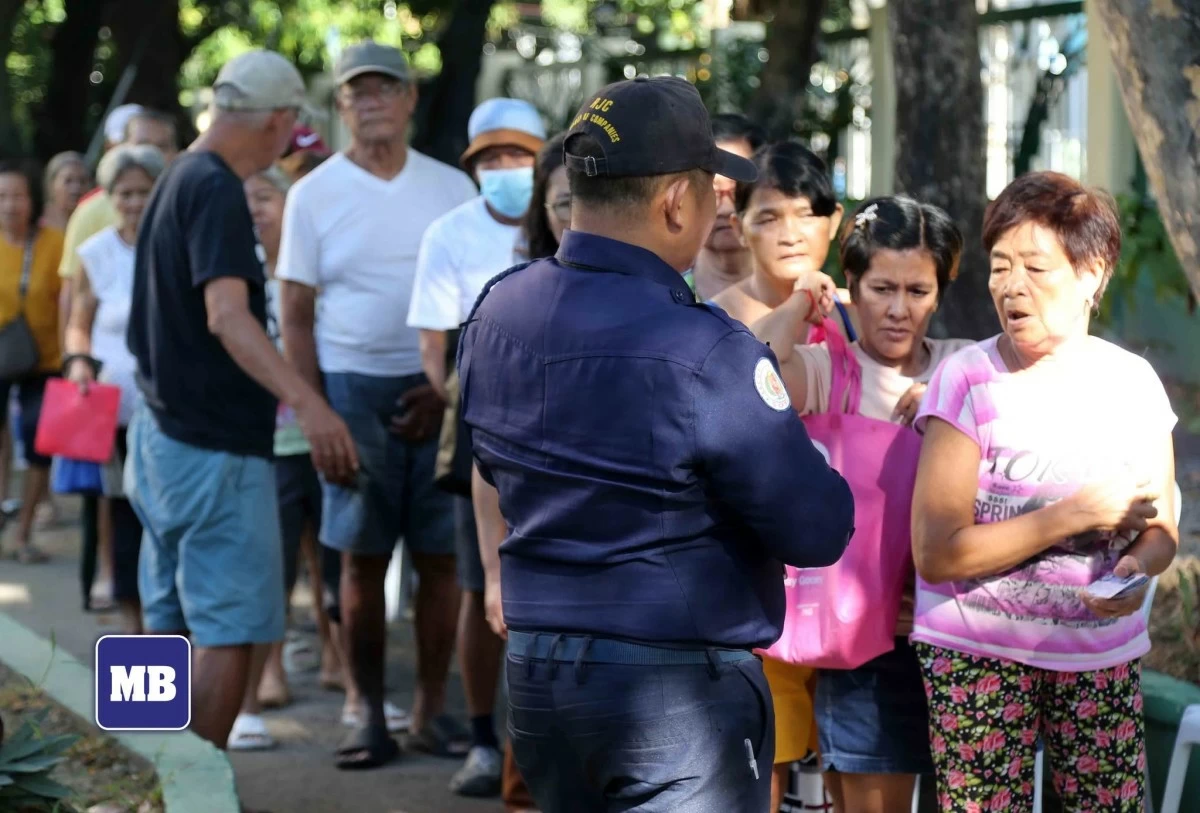
Qualified beneficiaries—including senior citizens, persons with disabilities, solo parents, and Pantawid Pamilyang Pilipino Program (4Ps) members—line up to buy rice priced at P20 per kilo at the Bureau of Plant Industry in San Andres, Malate, Manila on April 27, 2026. (MANILA BULLETIN File Photo | Mark Balmores)

Government technology (GovTech) reforms in the Philippines’ Pantawid Pamilyang Pilipino Program (4Ps) have generated tens of millions of dollars in annual savings by plugging leakages, while improving the targeting of beneficiaries as well as curbing corruption and fraud, according to the World Bank.

In its report, “GovTech for Public Sector Integrity: Lessons from Across Sectors,” published last Tuesday, July 28, the Washington-based multilateral lender said ghost 4Ps beneficiaries were reduced from an estimated 12 percent to less than two percent, informal fee collection was virtually eliminated, and beneficiary targeting improved to 95 percent. According to the report, the benefits of these reforms comfortably outweighed their recurring operating costs.

The report described GovTech as a whole-of-government approach to modernization that leverages technology. According to the World Bank, GovTech can help address vulnerabilities in public spending and service delivery when combined with institutional and governance reforms.

For the World Bank, the Philippines’ transition to digital social protection delivery under 4Ps demonstrates how GovTech innovations can significantly reduce corruption risks in large-scale cash transfer programs.

Before the reforms, the program relied on manual, cash-based distribution through roughly 2,800 payout points nationwide. This created multiple vulnerabilities, as the absence of strong identity verification enabled ghost and duplicate beneficiaries, while local officials and intermediaries sometimes skimmed payments or demanded illegal fees, including for the registration of households. Beneficiaries also faced high transaction costs, including long travel and waiting times, while those lacking formal identification were often excluded altogether.

The lender said the Department of Social Welfare and Development (DSWD), with World Bank support, introduced biometric smart card technology and a centralized beneficiary information system (BIS) as part of broader social development reforms.

Biometric enrollment, Europay, MasterCard, and Visa (EMV) chip-based authentication, geo-verification, anomaly detection, and integration with the Philippine Identification System (PhilSys) strengthened identity verification and reduced fraudulent transactions.

Since 2020, the DSWD has prioritized PhilSys registration for 4Ps beneficiaries, with more than 22.6 million household members registered, allowing more reliable identity authentication. Integration with banking networks shifted payments from manual cash distribution to secure, direct digital transfers, closing opportunities for skimming at payout points.

The World Bank said the reforms produced “significant and measurable” results. As of 2024, more than 95 percent of beneficiaries received grants through transaction accounts, drastically reducing opportunities for skimming and ghost beneficiaries. Processing times for transfers were reduced, administrative costs declined because of process automation, and grievance-resolution times shortened dramatically, making the system more equitable and efficient. Informal fee collection at payment points was nearly eliminated, strengthening trust among beneficiaries.

“Beyond corruption control, the program also advanced financial inclusion, with millions of households gaining access to formal financial services for the first time. The system proved resilient during shocks such as Typhoon Haiyan [super-typhoon Yolanda] and the Covid-19 pandemic, when digital infrastructure enabled rapid scaling of emergency payments,” the World Bank said.

According to the report, GovTech tools directly addressed the major integrity risks identified in 4Ps. Digital audit trails, real-time transaction monitoring, and point-of-sale (POS) terminals reduced payment skimming, while automated payment scheduling and disaster-resilient backup payment mechanisms minimized rent-seeking opportunities arising from delayed payouts. Digital payments through EMV-compliant biometric smart cards and integration with banking networks and automated teller machines (ATMs) addressed risks associated with manual, cash-based benefit distribution. Biometric enrollment and authentication, including fingerprint, facial recognition, and personal identification number (PIN) verification against the database, curbed ghost beneficiaries, which previously accounted for an estimated eight percent to 12 percent of enrollment. Direct digital transfers, audit trails, and automated exception reporting reduced informal fee collection, while automated eligibility determination, real-time synchronization of beneficiary data, public disclosure, electronic grievance workflows, performance dashboards, and a centralized BIS with digital records addressed political interference and manipulation of beneficiary records.

Despite the gains, the World Bank said some vulnerabilities remain. Political interference can still influence beneficiary identification and compliance verification, while grievance decisions may be vulnerable to pressure where oversight is weak. ATM and point-of-sale downtime, cash-out liquidity constraints, and connectivity gaps can also delay payments and reopen opportunities for informal intermediaries and “service fees.” Biometric authentication failures, data protection and cybersecurity risks, dependence on third-party banks and switch operators, periodic list updates, and uneven communication and digital literacy pose additional challenges. The lender added that grievance redress has improved but remains variable in timeliness and reach across remote areas. Danielle T. Bayani

Related Tags

World Bank Pantawid Pamilyang Pilipino Program (4Ps) Department of Social Welfare and Development (DSWD)
ADVERTISEMENT
.most-popular .layout-ratio{ padding-bottom: 79.13%; } @media (min-width: 768px) and (max-width: 1024px) { .widget-title { font-size: 15px !important; } }

{{ articles_filter_1561_widget.title }}

.most-popular .layout-ratio{ padding-bottom: 79.13%; } @media (min-width: 768px) and (max-width: 1024px) { .widget-title { font-size: 15px !important; } }

{{ static_articles_1562_widget.title }}

.most-popular .layout-ratio{ padding-bottom: 79.13%; } @media (min-width: 768px) and (max-width: 1024px) { .widget-title { font-size: 15px !important; } }

{{ articles_filter_1563_widget.title }}

{{ articles_filter_1564_widget.title }}

.mb-article-details { position: relative; } .mb-article-details .article-body-preview, .mb-article-details .article-body-summary{ font-size: 17px; line-height: 30px; font-family: "Libre Caslon Text", serif; color: #000; } .mb-article-details .article-body-preview iframe , .mb-article-details .article-body-summary iframe{ width: 100%; margin: auto; } .read-more-background { background: linear-gradient(180deg, color(display-p3 1.000 1.000 1.000 / 0) 13.75%, color(display-p3 1.000 1.000 1.000 / 0.8) 30.79%, color(display-p3 1.000 1.000 1.000) 72.5%); position: absolute; height: 200px; width: 100%; bottom: 0; display: flex; justify-content: center; align-items: center; padding: 0; } .read-more-background a{ color: #000; } .read-more-btn { padding: 17px 45px; font-family: Inter; font-weight: 700; font-size: 18px; line-height: 16px; text-align: center; vertical-align: middle; border: 1px solid black; background-color: white; } .hidden { display: none; }
function initializeAllSwipers() { // Get all hidden inputs with cms_article_id document.querySelectorAll('[id^="cms_article_id_"]').forEach(function (input) { const cmsArticleId = input.value; const articleSelector = '#article-' + cmsArticleId + ' .body_images'; const swiperElement = document.querySelector(articleSelector); if (swiperElement && !swiperElement.classList.contains('swiper-initialized')) { new Swiper(articleSelector, { loop: true, pagination: false, navigation: { nextEl: '#article-' + cmsArticleId + ' .swiper-button-next', prevEl: '#article-' + cmsArticleId + ' .swiper-button-prev', }, }); } }); } setTimeout(initializeAllSwipers, 3000); const intersectionObserver = new IntersectionObserver( (entries) => { entries.forEach((entry) => { if (entry.isIntersecting) { const newUrl = entry.target.getAttribute("data-url"); if (newUrl) { history.pushState(null, null, newUrl); let article = entry.target; // Extract metadata const author = article.querySelector('.author-section').textContent.replace('By', '').trim(); const section = article.querySelector('.section-info ').textContent.replace(' ', ' '); const title = article.querySelector('.article-title h1').textContent; // Parse URL for Chartbeat path format const parsedUrl = new URL(newUrl, window.location.origin); const cleanUrl = parsedUrl.host + parsedUrl.pathname; // Update Chartbeat configuration if (typeof window._sf_async_config !== 'undefined') { window._sf_async_config.path = cleanUrl; window._sf_async_config.sections = section; window._sf_async_config.authors = author; } // Track virtual page view with Chartbeat if (typeof pSUPERFLY !== 'undefined' && typeof pSUPERFLY.virtualPage === 'function') { try { pSUPERFLY.virtualPage({ path: cleanUrl, title: title, sections: section, authors: author }); } catch (error) { console.error('ping error', error); } } // Optional: Update document title if (title && title !== document.title) { document.title = title; } } } }); }, { threshold: 0.1 } ); function showArticleBody(button) { const article = button.closest("article"); const summary = article.querySelector(".article-body-summary"); const body = article.querySelector(".article-body-preview"); const readMoreSection = article.querySelector(".read-more-background"); // Hide summary and read-more section summary.style.display = "none"; readMoreSection.style.display = "none"; // Show the full article body body.classList.remove("hidden"); } document.addEventListener("DOMContentLoaded", () => { let loadCount = 0; // Track how many times articles are loaded const offset = [1, 2, 3, 4, 5, 6, 7, 8, 9, 10]; // Offset values const currentUrl = window.location.pathname.substring(1); let isLoading = false; // Prevent multiple calls if (!currentUrl) { console.log("Current URL is invalid."); return; } const sentinel = document.getElementById("load-more-sentinel"); if (!sentinel) { console.log("Sentinel element not found."); return; } function isSentinelVisible() { const rect = sentinel.getBoundingClientRect(); return ( rect.top < window.innerHeight && rect.bottom >= 0 ); } function onScroll() { if (isLoading) return; if (isSentinelVisible()) { if (loadCount >= offset.length) { console.log("Maximum load attempts reached."); window.removeEventListener("scroll", onScroll); return; } isLoading = true; const currentOffset = offset[loadCount]; window.loadMoreItems().then(() => { let article = document.querySelector('#widget_1690 > div:nth-last-of-type(2) article'); intersectionObserver.observe(article) loadCount++; }).catch(error => { console.error("Error loading more items:", error); }).finally(() => { isLoading = false; }); } } window.addEventListener("scroll", onScroll); });

Sign up by email to receive news.