






Manila Bulletin
 Philippines
National
'Baka naman': Ordanes hopes SONA would bring good news for senior citizens
Philippines
National
'Baka naman': Ordanes hopes SONA would bring good news for senior citizens
Philippines
National
'Baka naman': Ordanes hopes SONA would bring good news for senior citizens
'Baka naman': Ordanes hopes SONA would bring good news for senior citizens
Published Jul 20, 2026 08:42 pm


At A Glance
- Rep. Rodolfo Ordanes urges President Marcos to highlight elderly welfare in his upcoming SONA, focusing on the Universal Social Pension Act and the Geriatric Health Act.
- He calls for stronger geriatric care in public hospitals and clear guidelines on zero balance billing to protect seniors from excessive medical costs.
- Ordanes presses DOH and PhilHealth to issue uniform rules and investigate hospitals that fail to implement healthcare programs for senior citizens.
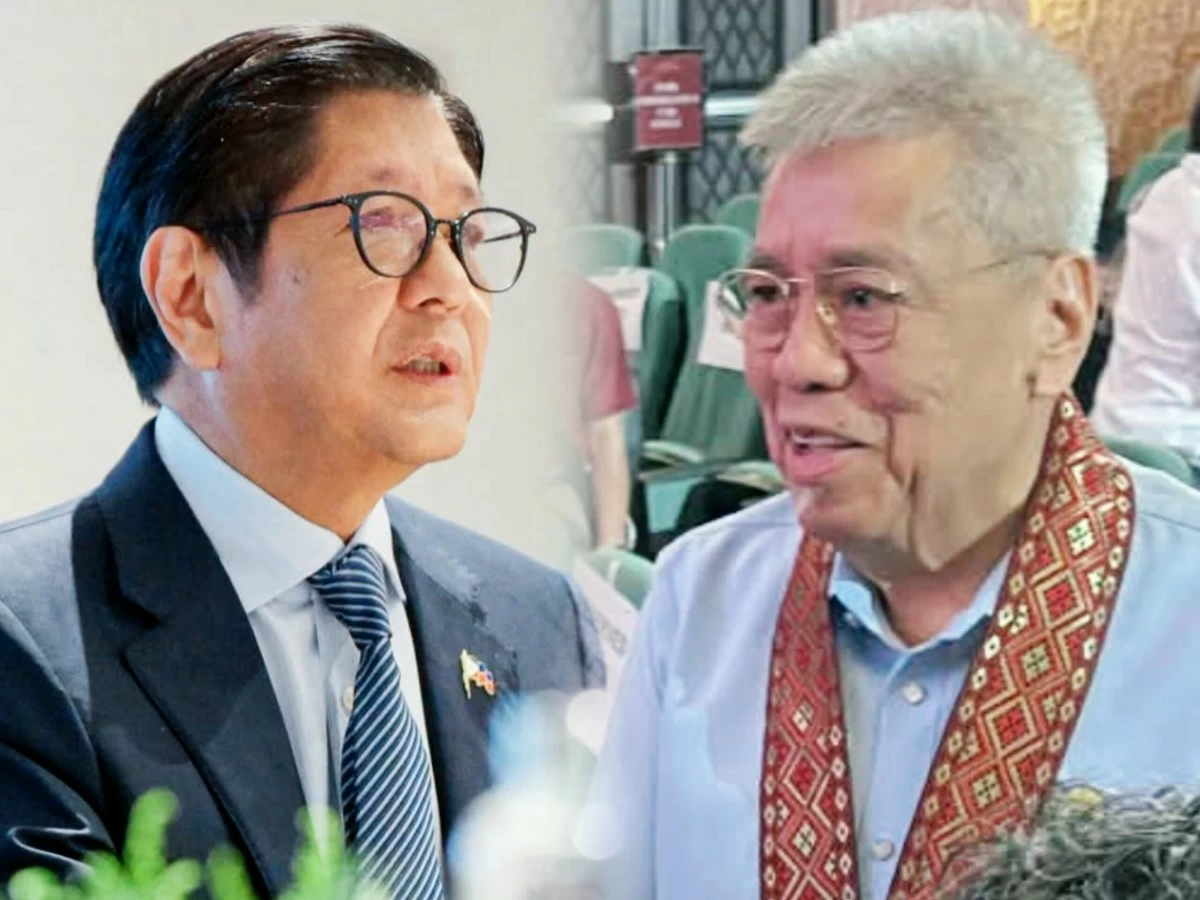
President Ferdinand "Bongbong" Marcos Jr. (left), Senior Citizens Party-list Rep. Rodolfo "Ompong" Ordanes (Facebook)
Senior Citizens Party-list Rep. Rodolfo "Ompong" Ordanes is crossing his fingers that President Marcos would use his upcoming State of the Nation Address (SONA) as a venue to advance elderly Filipinos' interests.
Ordanes said this would make President Marcos' penultimate SONA one to remember for the country's seniors.
"The best SONA message for senior citizens would be a firm commitment to complete measures that are already within reach. We need action on universal social pension, the Geriatric Health Act, and the proper implementation of healthcare programs intended to spare our seniors from excessive hospital expenses," said on Monday, July 20, exactly a week before the Chief Executive's annual speech.
Incidentally, the SONA will mark the start of the second regular session of the current 20th Congress.
Ordanes said the proposed Universal Social Pension Act remains the centerpiece of the Senior Citizens Party-list's legislative agenda.
The bill, which seeks to extend the P1,000 monthly social pension to all Filipino senior citizens, is currently pending before the technical working group (TWG) of the House Committee on Appropriations.
Ordanes, a vice chairperson of the panel, acknowledged that the measure would require substantial and sustainable funding. But he said that the budgetary challenges should be addressed rather than used to indefinitely delay the proposal.
"Congress has been pursuing universal social pension for several years. We hope the President will help us identify a fiscally responsible and sustainable way to finally provide every Filipino senior citizen with a basic measure of financial security," he said.
Ordanes also appealed for presidential support for the Geriatric Health Act, which is awaiting action by the bicameral conference committee.
"We are already close to enacting the Geriatric Health Act. A strong expression of support from the President can help Congress complete the bicameral process and establish a more responsive national healthcare system for the elderly," he said.
Ordanes said geriatric care must become a regular and accessible part of the public healthcare system, especially as the country's senior citizen population continues to grow.
"We want to see significant improvements in geriatric care in every government hospital. Our healthcare system must be ready to address the medical, nutritional, mental health, and long-term care needs that come with aging," he said.
Zero balance billing
Apart from the two pending measures, Ordanes urged the Marcos administration to provide clearer and more uniform guidelines on the zero balance billing initiative and other healthcare assistance programs.
He said senior citizens and their families must be clearly informed about who qualifies for zero balance billing, which medical services and hospital expenses are covered, which hospitals are required to implement it, and where patients can seek assistance when they are charged despite being qualified beneficiaries.
"Qualified beneficiaries of zero balance billing should not be required to pay any deposit or advance payment for covered services. Seniors should not leave the hospital confused about why they were charged or forced to look for additional funds despite being qualified beneficiaries," Ordanes said.
He called on the Department of Health (DOH) and the Philippine Health Insurance Corporation (PhilHealth) to issue simple, uniform, and widely disseminated guidelines as well as to investigate complaints involving hospitals that fail to properly implement the program.