







Proving sustainable mining is both possible, profitable
OGP's financial value of trust:
Published Jul 18, 2026 08:00 am
|
Updated Jul 16, 2026 06:27 am


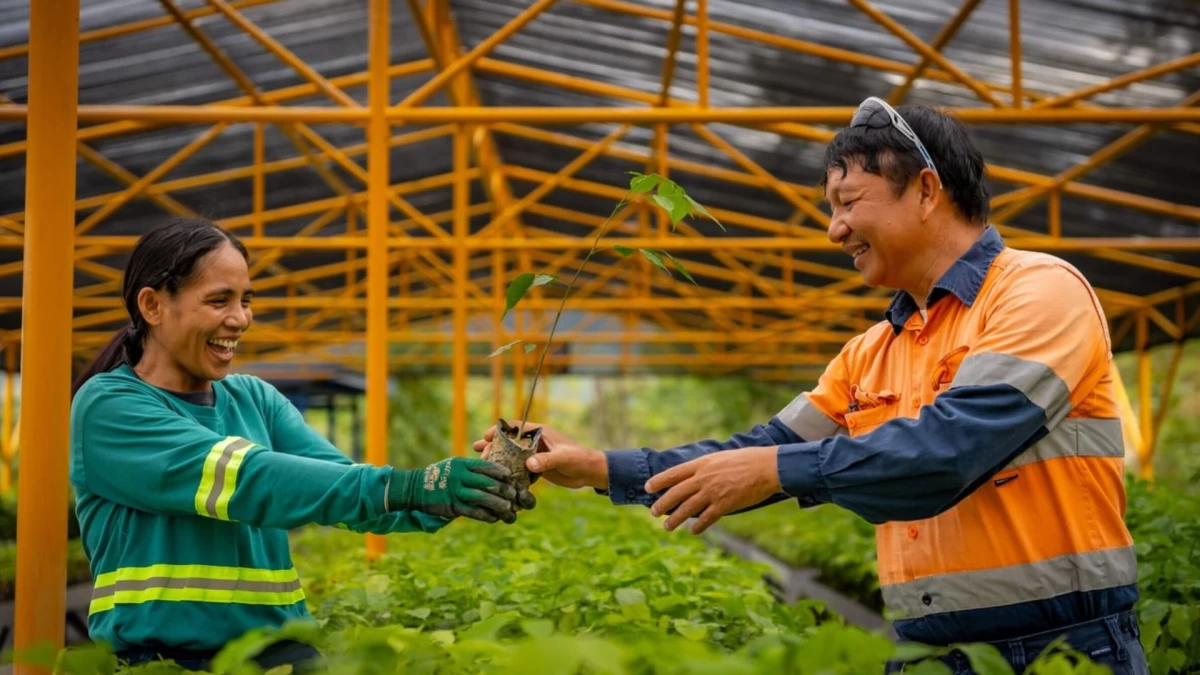
Reforestation and progressive land reclamation underway near the Didipio mine. Under its environmental stewardship pillar, OGP pairs resource extraction with active biodiversity preservation and land rehabilitation.
Nestled in the rugged terrain of northern Luzon, where increased climate volatility regularly tests the limits of long-term planning, one mining company is turning environmental responsibility into a strategic strength.
Given the direct impact of mineral extraction on the environment and surrounding communities, mining is rarely the first industry that comes to mind when discussing environmental stewardship. Listed mining firm OceanaGold (Philippines) Inc. (OGP) aims to change that perception.
OGP, which operates a gold and copper mine straddling the provinces of Nueva Vizcaya and Quirino, is banking on robust sustainability measures to make its operations more resilient and aligned with the country’s persistent climate variability.
As part of its management strategy, the company has embedded climate resilience and responsible practices into its daily operations, ensuring the Didipio mine can respond effectively to emerging challenges.
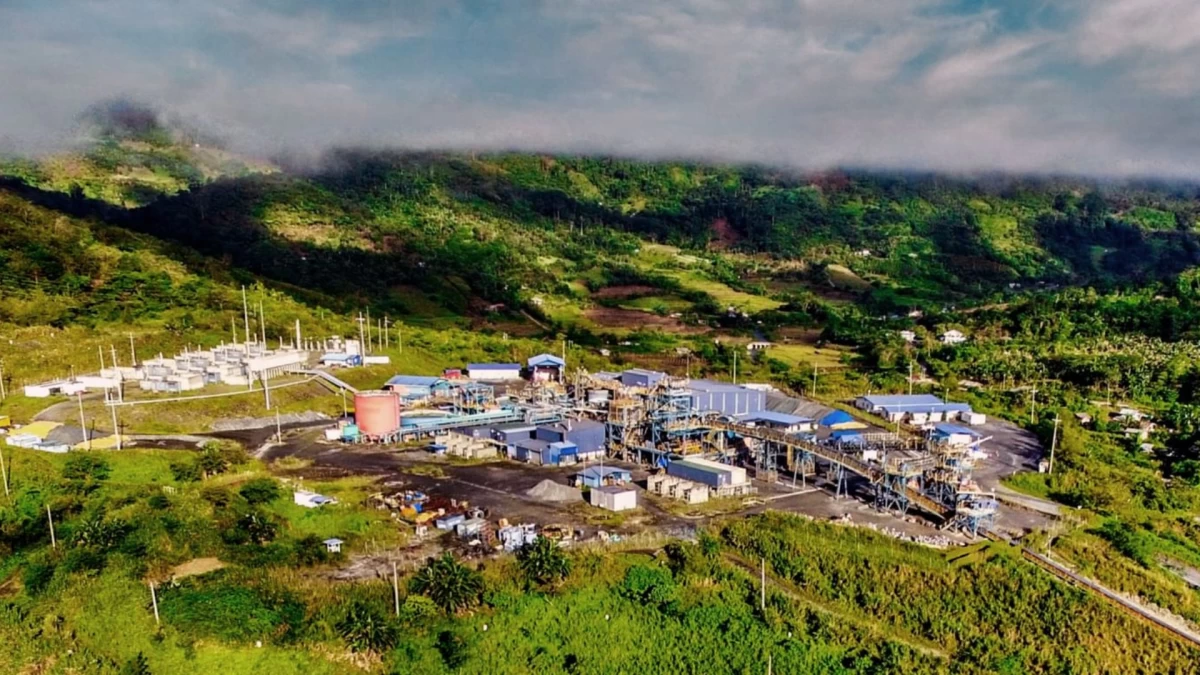
An aerial view of OceanaGold (Philippines) Inc.’s (OGP) Didipio mine, which straddles Nueva Vizcaya and Quirino. The company is actively investing in water management and adaptive controls to safeguard its operations against northern Luzon’s volatile weather patterns.
“This means anticipating risks rather than responding only when they arise, strengthening systems that support safe, responsible, and compliant operations, and aligning local execution with OceanaGold’s global sustainability commitments,” OGP said in an email interview with Manila Bulletin.
OGP reported that heightened rainfall and more frequent typhoons last year significantly increased water inflows into the Didipio mine, testing the resilience of its water management infrastructure.
However, rather than becoming a setback, the company credits its strong sustainability governance—anchored by integrated risk management—for enabling the swift identification of operational risks and potential downstream impacts.
Through adaptive controls and long-term closure planning, OGP maintained operational continuity while upholding full regulatory compliance and environmental standards.
“Operationally, our focus is on strengthening controls for risks most relevant to mine management in the Philippines, particularly water management, tailings, biodiversity, rehabilitation, and emergency preparedness,” the company stated.
Community engagement
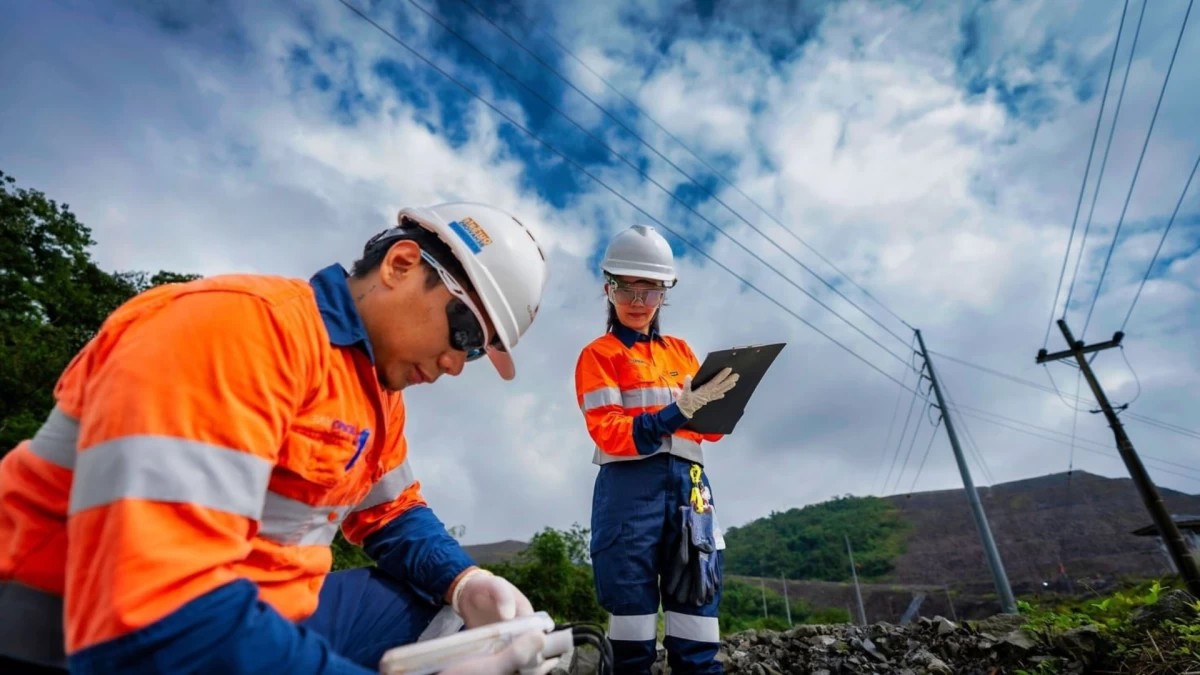
Technicians monitor real-time environmental data at the Didipio mine. Integrated risk management systems allowed OGP to identify operational hazards early and successfully process heightened water inflows during last year's severe weather.
Rather than treating environmental compliance as a regulatory burden, OGP has positioned its safeguards as a cornerstone of its operational philosophy and long-term growth. Central to this is maintaining the trust of host communities.
OGP noted that this requires a track record of continuous engagement, transparency, and timely responses. Last year alone, the company recorded 36 community grievances, all of which were successfully resolved.
“This demonstrates the importance of community voice and the need for accountable systems that allow concerns to be raised, investigated, and resolved,” it said.
Under its Financial or Technical Assistance Agreement (FTAA) for the Didipio mine, the company is mandated to sustain investments in the Social Development Fund (SDF) and the Provincial Development Fund (PDF).
OGP annually allocates roughly 1.5 percent of its gross mining revenues to these funds, which totaled $9.75 million (approximately ₱597.77 million) in 2025. These funds support the sustainable social, economic, and cultural development of communities surrounding the site.
The company’s broader economic impact was valued at approximately $438.8 million last year, accounting for job creation, tax payments, and the procurement of local goods and services.
“We continue to collaborate with our host communities in planning and implementing sustainable development programs aimed at strengthening local resilience. That resilience extends to our supply chain, where suppliers are assessed through responsible procurement practices,” OGP said.
“Taken together, this integrated approach helps keep Didipio adaptive, compliant, and resilient as environmental regulations, climate risks, and stakeholder expectations continue to evolve,” it added.
Global standards
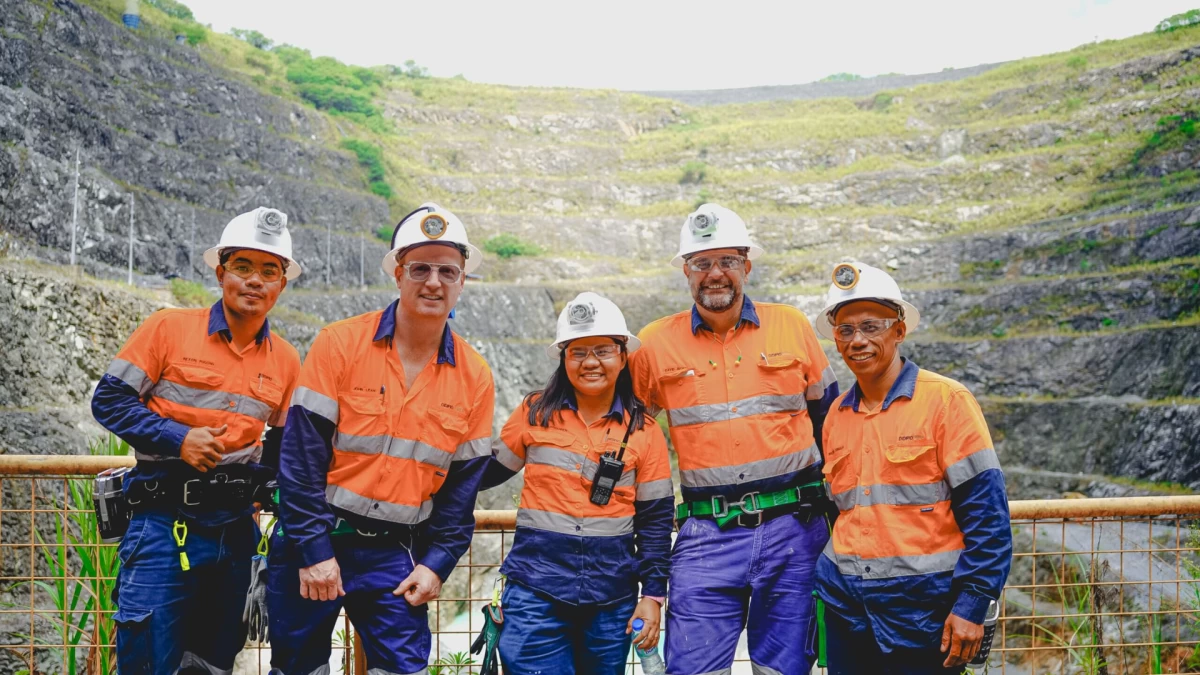
Workers at the Didipio mine. OGP adheres to global safety standards, maintaining a record of zero workplace fatalities or life-altering injuries last year under its ISO 45001:2018-certified management system.
As the local unit of Australian-Canadian firm OceanaGold Corp., OGP adheres to global standards set by its parent company, particularly through a responsible mining framework that outlines sustainable practices and performance benchmarks.
This commitment is evidenced by measurable outcomes: zero workplace fatalities or life-altering injuries last year, reduced emissions through renewable energy (RE) certificates, and alignment with world-class management and international mining standards.
“As part of OceanaGold Corp., we are committed to safe and responsible mining, managing our impacts, and contributing to our host communities and society,” OGP said. “This commitment creates and protects value for our business and our stakeholders by keeping our people safe, reducing environmental impacts, and supporting local Filipino communities.”
Compliance is guided by a sustainability strategy built on four key pillars: health and safety; environment; external affairs and social performance; and decarbonization and climate change.
Under its health and safety pillar, OGP places the well-being of its workforce “above all else,” with the goal of ensuring every worker returns home safely each day. This is reinforced by its ISO 45001:2018 certification for occupational health and safety management.
Through environmental stewardship, the company seeks to deliver positive outcomes by protecting biodiversity, practicing responsible water management, and carrying out progressive land rehabilitation. Its social performance strategy centers on respectful community engagement, supported by a robust grievance mechanism, while upholding human rights in line with globally recognized standards.
Finally, its decarbonization pillar anchors efforts to reduce emissions across operations and supply chains. The firm has set a target of net-zero emissions by 2050 and is actively exploring new technologies to accelerate progress.
“These strategic pillars are underpinned by strong governance and integrity through our alignment with international frameworks,” OGP said. “Together, these pillars help us ensure that safe and responsible mining is a daily discipline.”
Digging forward
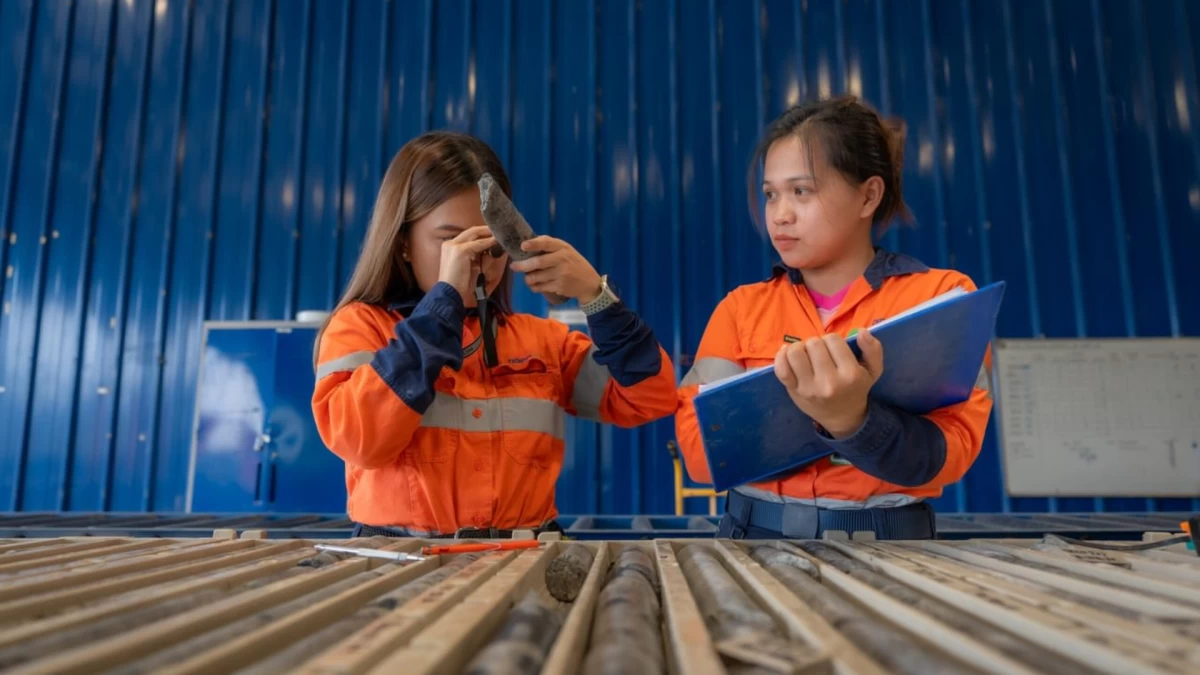
Workers at the Didipio mine. OGP adheres to global safety standards, maintaining a record of zero workplace fatalities or life-altering injuries last year under its ISO 45001:2018-certified management system.
As the Philippines grapples with the dual demands of economic development and climate resilience, OGP’s experience at the Didipio mine offers a glimpse into the future of the industry.
In a sector long scrutinized for its environmental footprint, OGP’s emphasis on integrating sustainability into every operational level suggests that responsible mining is not only possible but necessary.
“For mining companies, this means sustainability is not separate from operational performance—it is central to maintaining trust, securing long-term access to resources, and demonstrating that mining can create lasting value beyond the life of a mine,” the company said.
By successfully implementing strong operational safeguards, OGP believes mining can contribute positively to sustainable development, supporting the economy while protecting the environment.
These initiatives have not hindered growth; in fact, the company’s profits have increased year-over-year. In 2025, net income soared 125 percent to $76.5 million from $30.3 million. The company is on track to sustain this momentum, with first-quarter income rising to $34.7 million from $7.4 million in the same period last year.
For companies like OGP, advancing responsible mining reflects the belief that balancing resource extraction with environmental stewardship and community development is an undertaking worth championing.
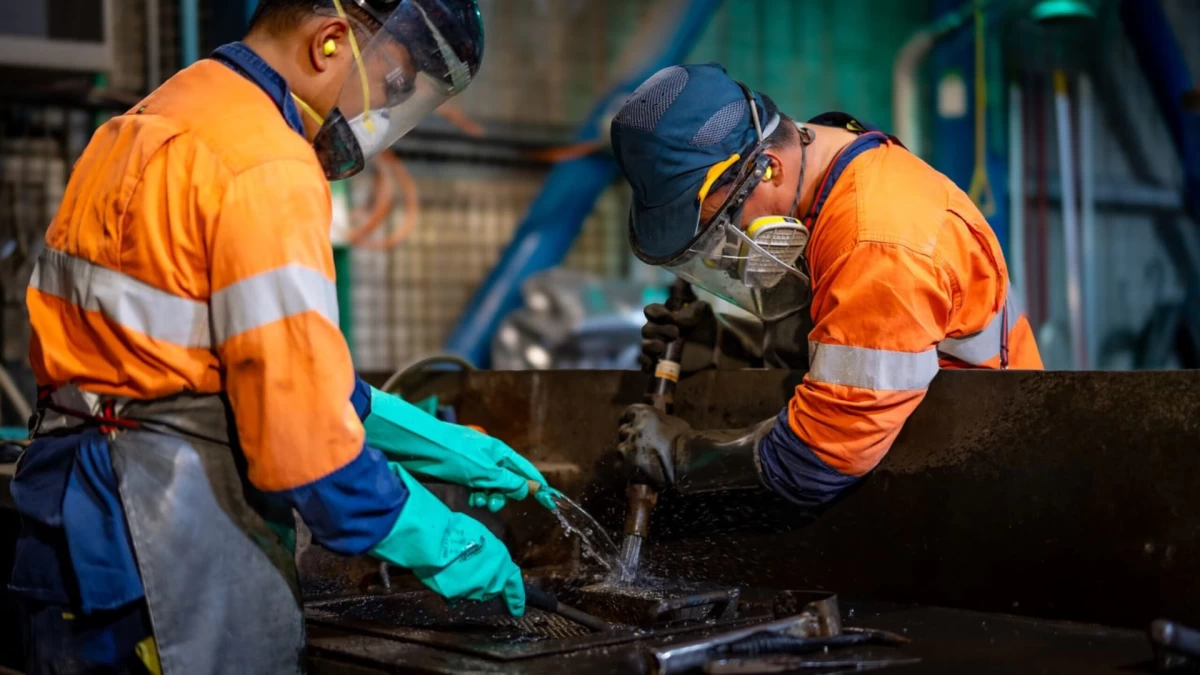
Workers at the Didipio mine. OGP adheres to global safety standards, maintaining a record of zero workplace fatalities or life-altering injuries last year under its ISO 45001:2018-certified management system.
“Safe and responsible mining is essential if the country’s mineral resources are to be developed in a way that protects the environment, supports local communities, and provides broader socio-economic benefits,” OGP concluded.