






Manila Bulletin
 Environment and Sustainability
Bacau Bay's vision for meaningful hospitality in Coron (Part 2 of 2)
Environment and Sustainability
Bacau Bay's vision for meaningful hospitality in Coron (Part 2 of 2)
Environment and Sustainability
Bacau Bay's vision for meaningful hospitality in Coron (Part 2 of 2)
Bacau Bay's vision for meaningful hospitality in Coron (Part 2 of 2)
Published Jul 14, 2026 01:00 pm


Beyond its refreshed facilities, Bacau Bay's transformation is also reflected in the quieter details. As discussed in the first part of this series (Read: Discovering Coron’s quieter side), the resort's vision is rooted in creating a deeper connection with Coron. That philosophy extends beyond architecture and design to the way guests experience the destination itself.
Belonging is an unusual word in tourism. Travel often encourages movement from one destination to another, yet the moments people remember rarely come from rushing through a place. They emerge in quieter ways: a conversation with a resident, an unexpected sunset, or the familiarity of returning to a favorite table each morning.
Those experiences become the stories travelers carry home, long after the photographs have been posted and the souvenirs packed away.
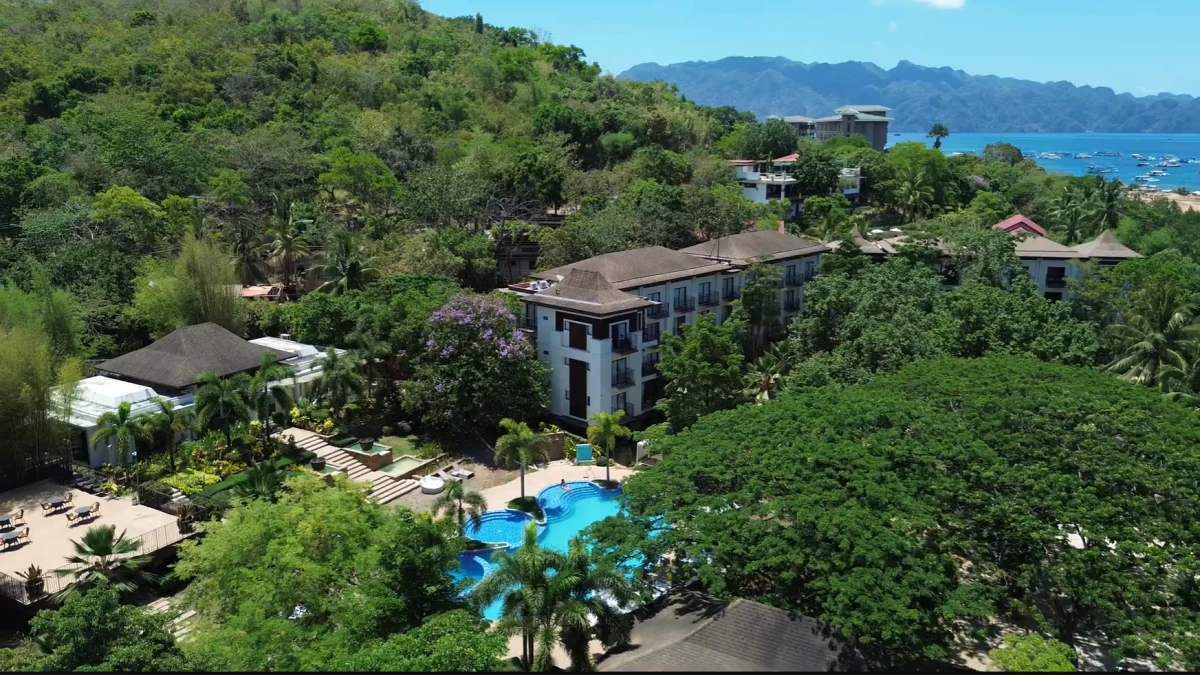
Set within a protected mangrove bay, Bacau Bay offers a perspective of Coron that differs from the destination's more familiar images. Instead of crowds and activity, guests are met with calmer waters, dense greenery, and a landscape shaped by nature's slower rhythms.
"When you return to Bacau Bay, the rhythm slows down," Lhuillier said.
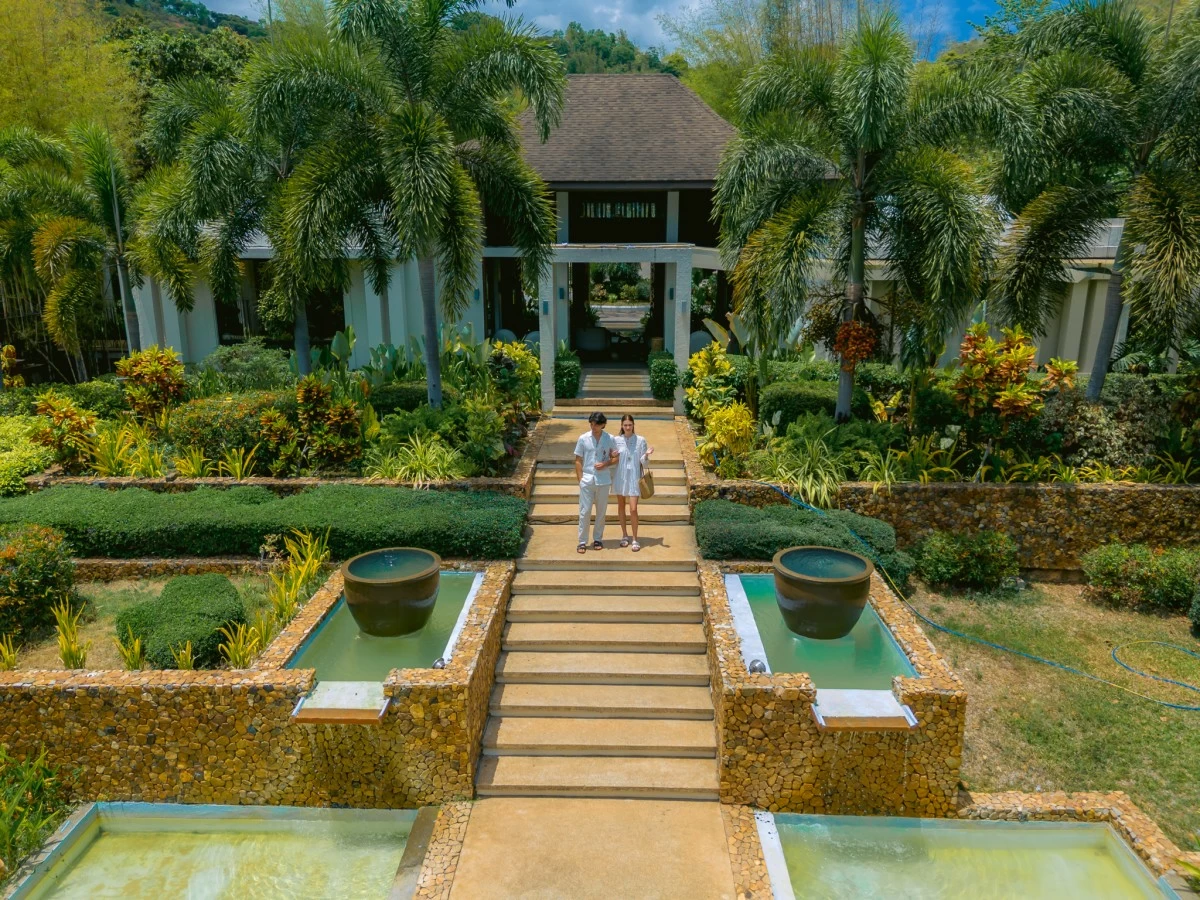
The remark reflects a broader shift taking place across the travel industry. Around the world, travelers are increasingly seeking experiences that balance adventure with wellness, reflection, and authenticity.
In many ways, sustainability depends on that shift.
When visitors develop a deeper appreciation for a place, they are more likely to value its preservation. Environmental stewardship becomes more meaningful when people understand what is at stake, while cultural preservation gains urgency when traditions and local identities are recognized as integral parts of the travel experience rather than background details.
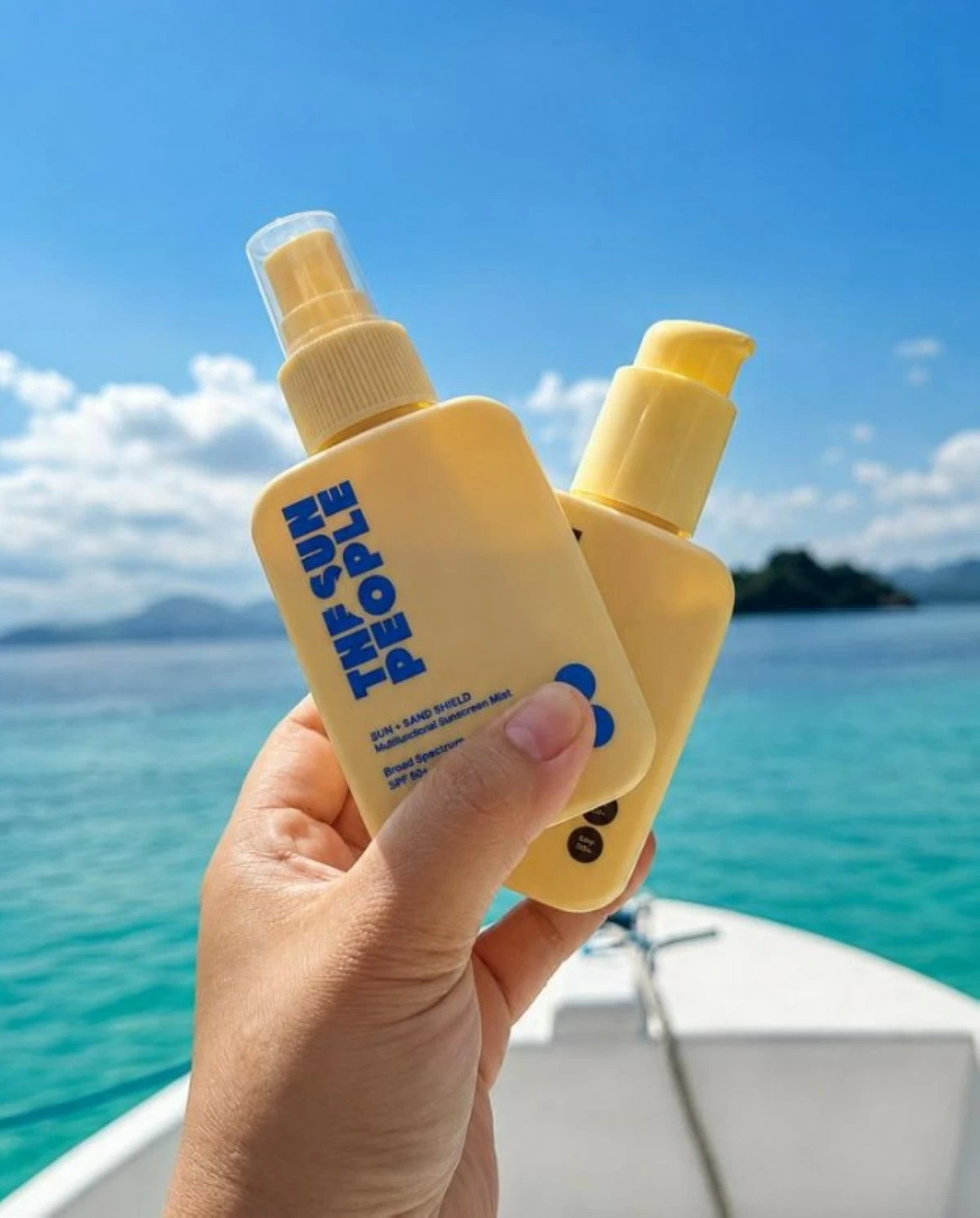
That philosophy extends to small but deliberate touches throughout the resort. Guests receive reef-safe sunscreen from the Philippine-made brand Sun People, encouraging more responsible travel while helping protect Coron’s fragile marine ecosystems.
For Lhuillier, meaningful travel begins with participation rather than observation.
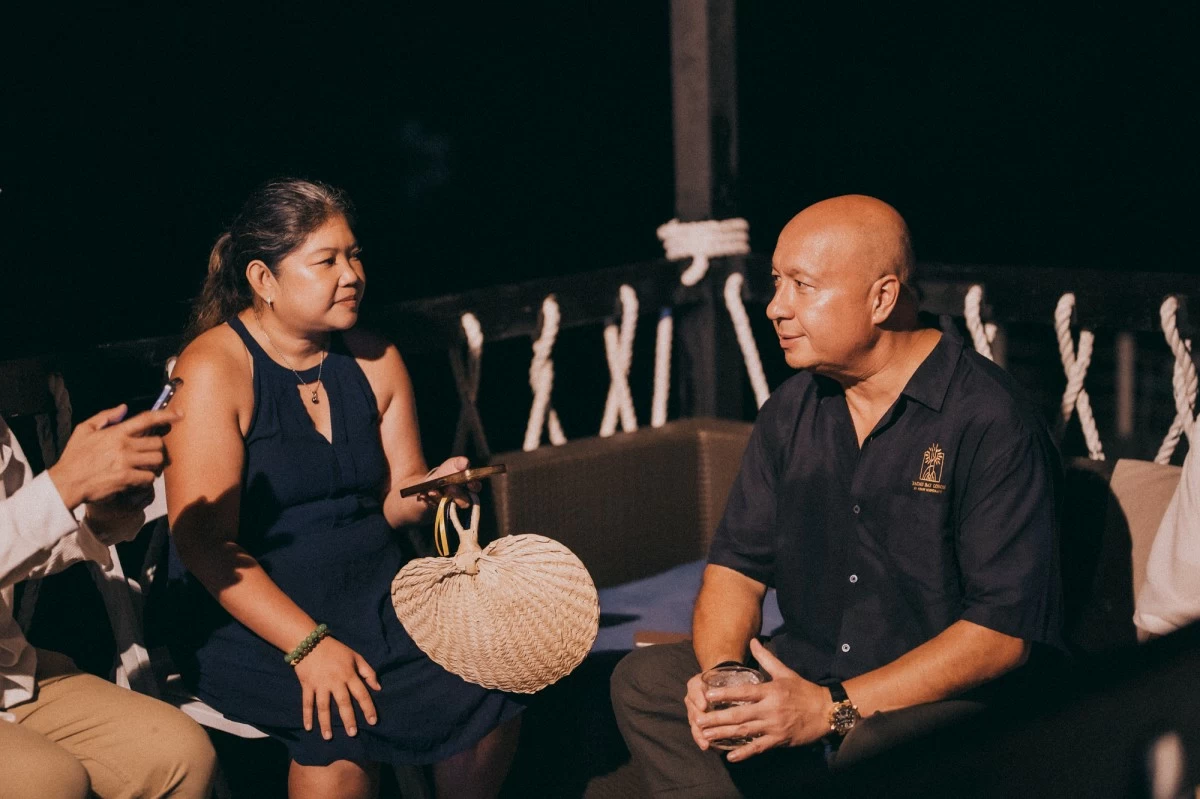
An insightful conversation with Araw Hospitality CEO and Chief Enlightener Jean Henri Lhuillier.
"Meaningful travel means being a conscious participant in the destination, not just a tourist," he said during the relaunch.
Chief Operating Officer Corny Caedo believes the same philosophy is reshaping the definition of luxury.
"Luxury today is no longer defined solely by beautifully designed spaces or exceptional amenities," Caedo said. "Increasingly, it is measured by how deeply a destination is connected to its environment, its people, and its culture. Long before guests remember the rooms or the restaurants, we hope they remember the warmth of Filipino hospitality, our commitment to sustainability, and the many local stories thoughtfully woven into every stay."
His perspective reflects an understanding that tourism's success should not be measured solely by arrivals or occupancy rates, but also by the quality of the relationship between visitors and the destination.
For Bacau Bay General Manager Edmund Valencia, that relationship is strengthened through collaboration.
"This relaunch marks a bold new chapter for Bacau Bay Coron, but it is also the result of many hands working together," Valencia said. "We are grateful for the support of the local government, our tourism partners, the community, and our dedicated team, whose shared vision and collaboration made this transformation possible. We look forward to welcoming guests to experience the very best of Coron through the warmth of Filipino hospitality."
For Coron, that relationship extends beyond its famous attractions. It includes the ecosystems that sustain its waters, the communities that shape its culture, and the stories that exist beyond guidebooks and itineraries.
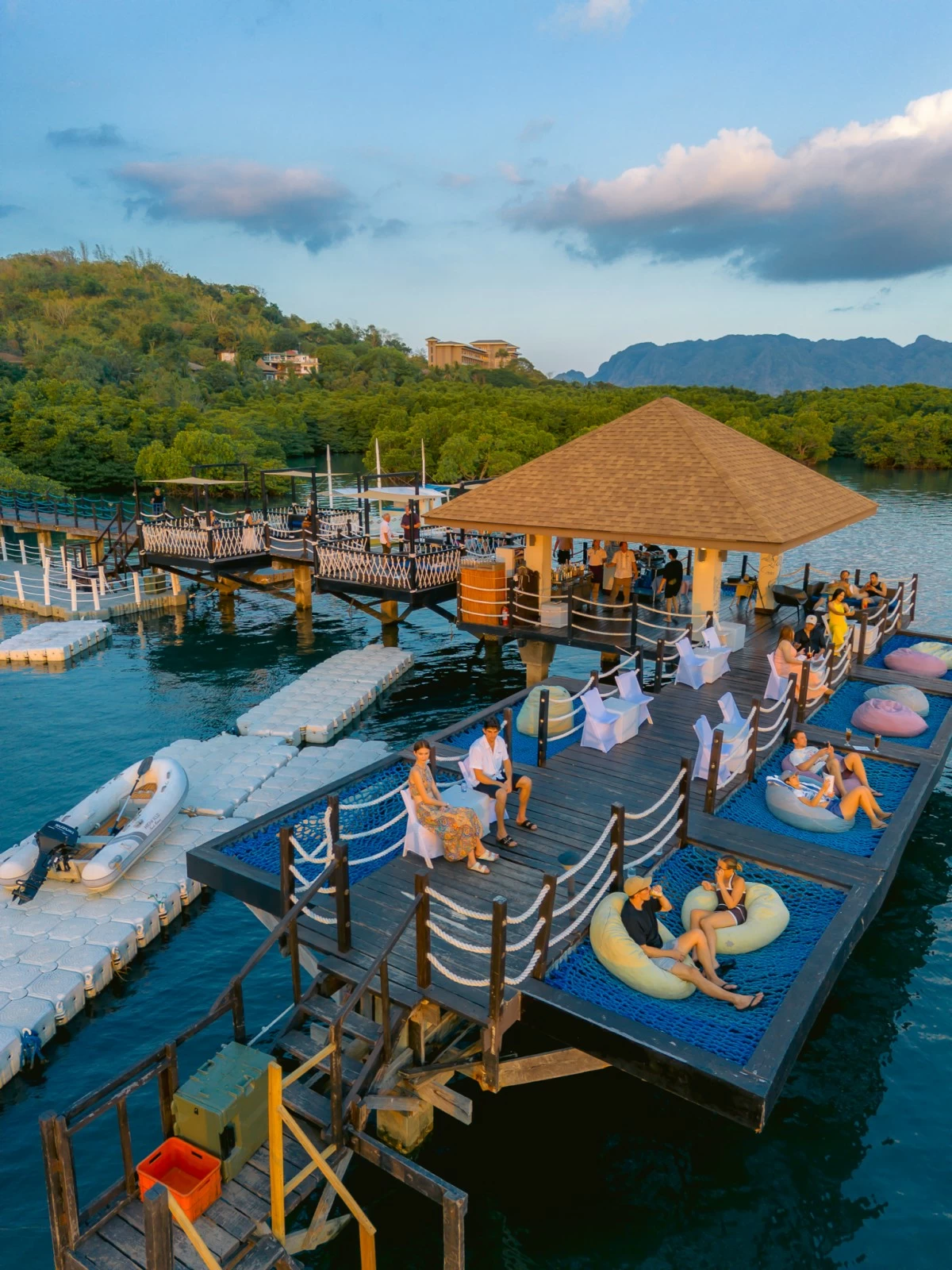
The future of tourism will likely depend on how well destinations protect those connections. Travelers may arrive for the lagoons, but they often leave remembering something else entirely.
Sustainability has become one of tourism's most frequently used words. Yet the places that practice it most meaningfully rarely need to announce it.
Perhaps that's why my visit to Bacau Bay stayed with me.
Having been raised by hotelier parents, I have come to appreciate that true hospitality often reveals itself in the details guests may not immediately notice. It is found not only in attentive service or well-designed spaces, but in the quiet choices that reflect respect for a destination and the people who call it home.
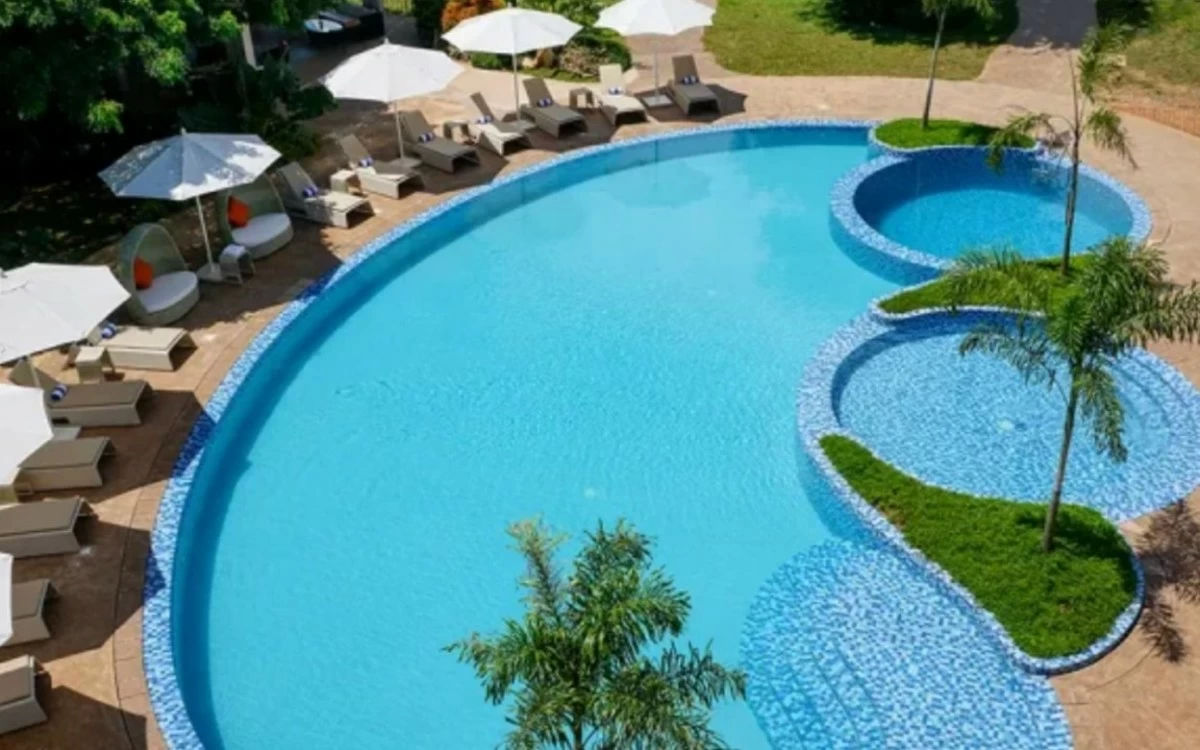
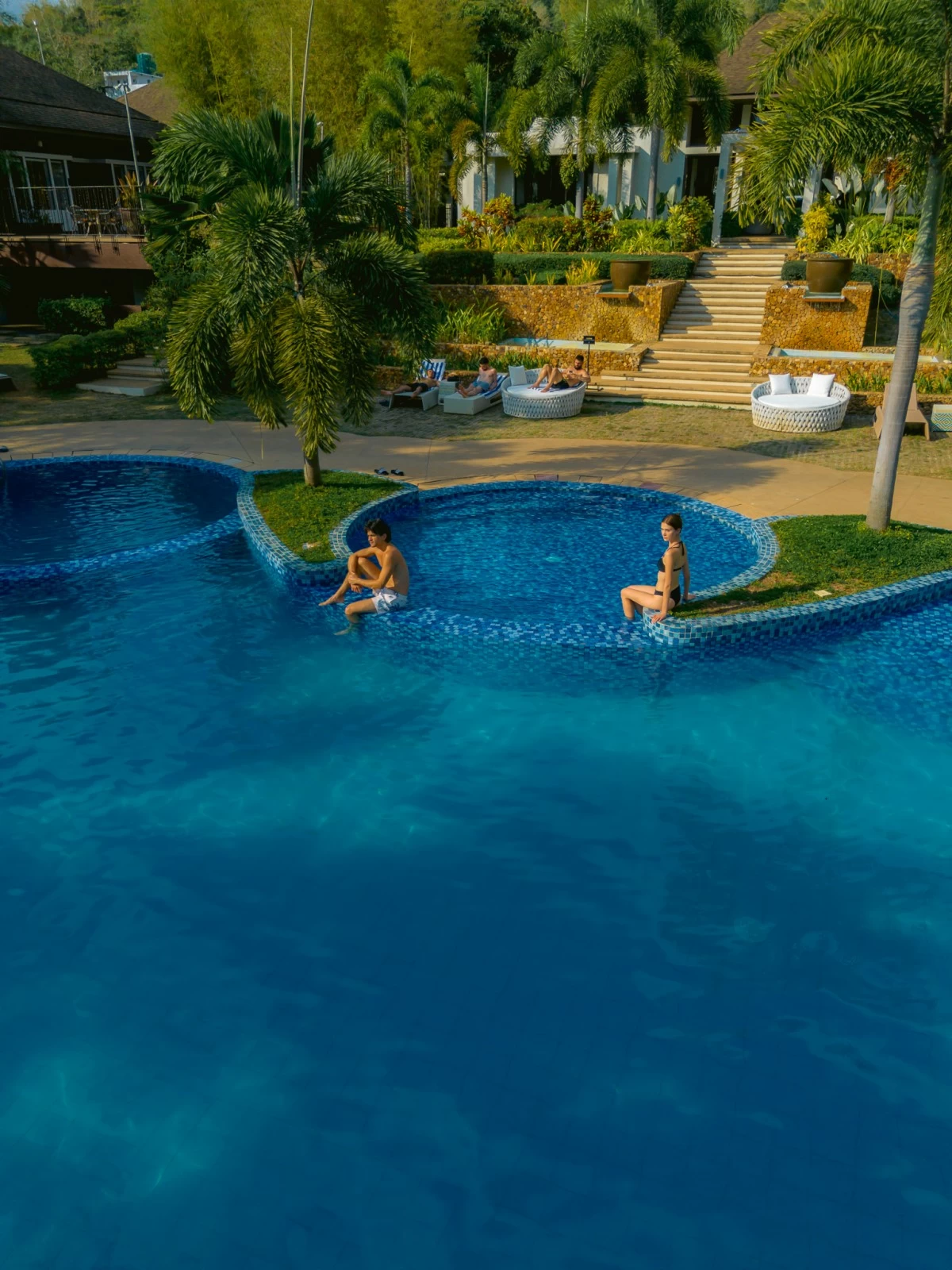
The gentle curves of Bacau Bay Coron's signature pool and roofline were inspired by the humble cashew, one of Coron's best-known local products.
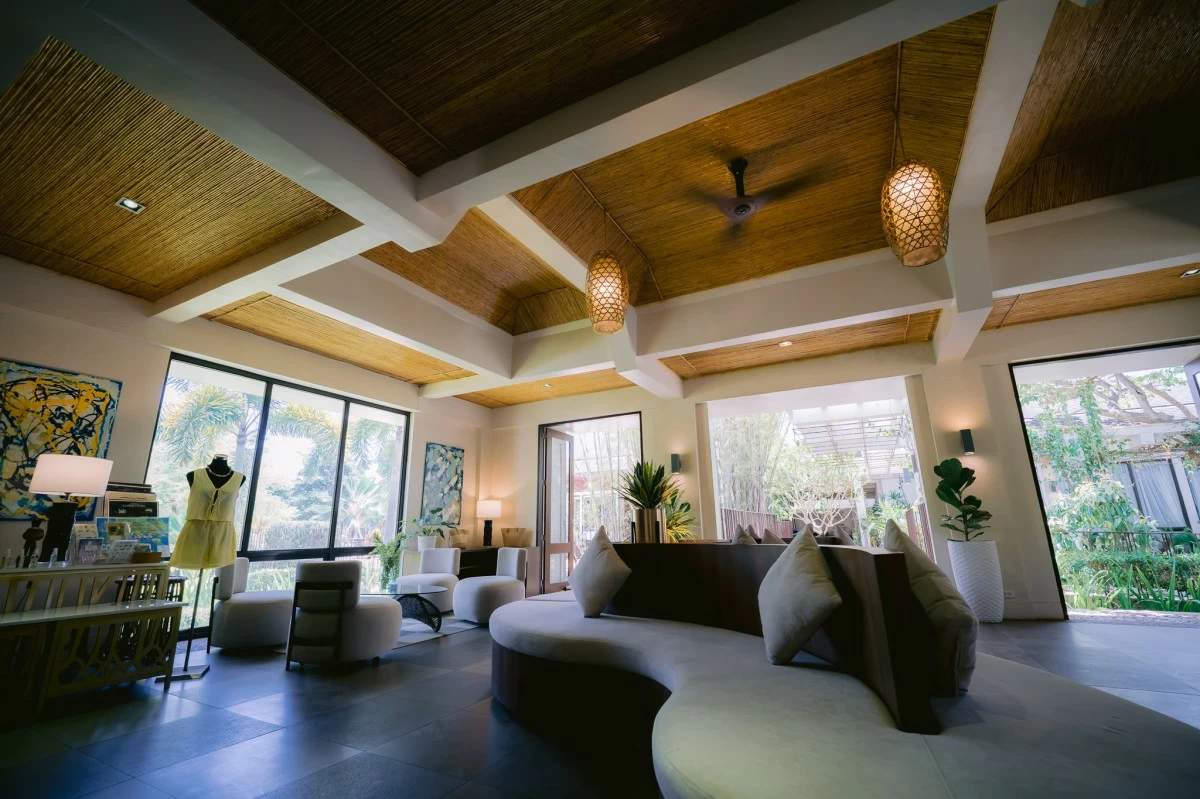
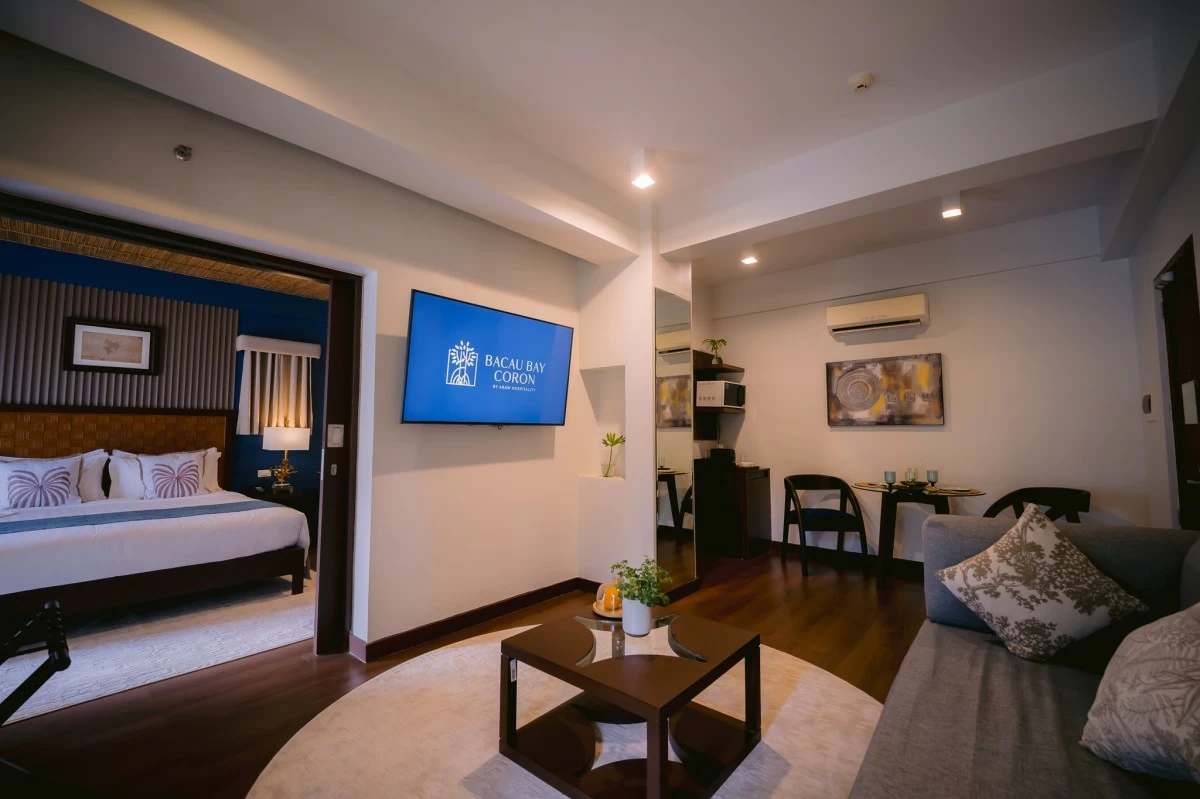
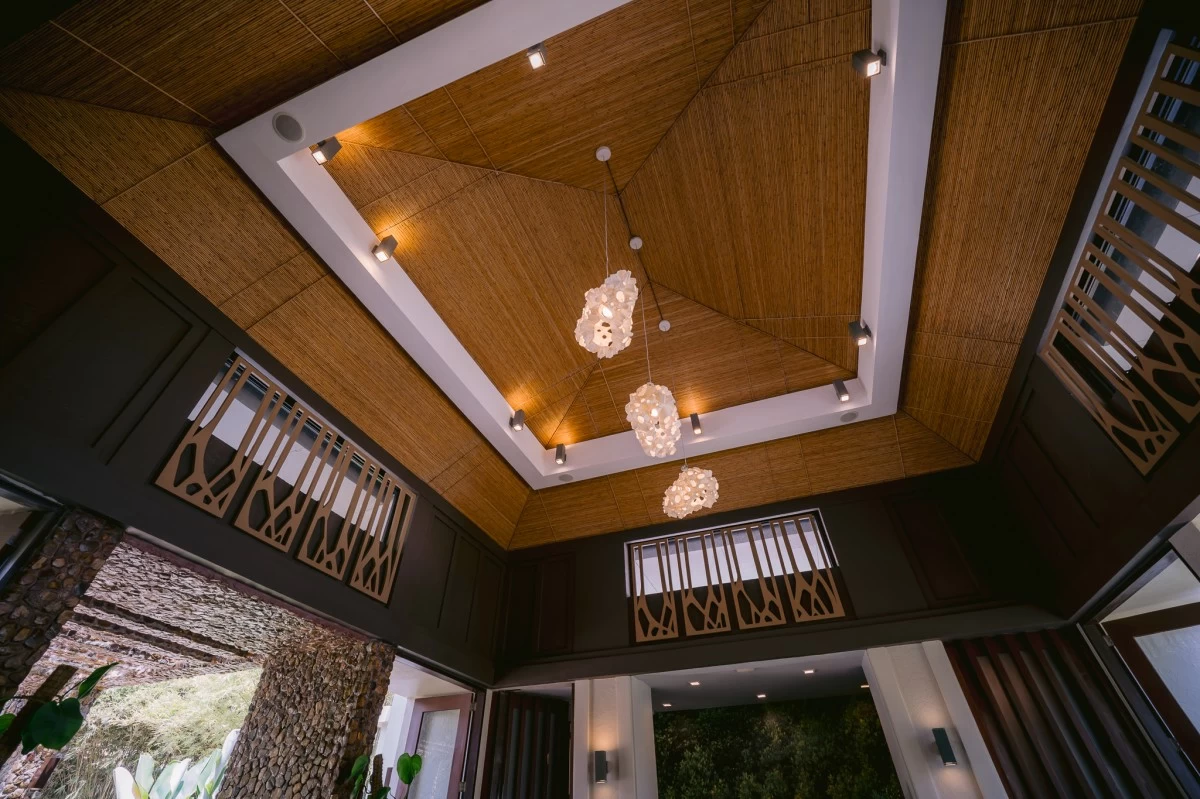
At Bacau Bay, those details appeared throughout the property. The architecture draws inspiration from Coron's iconic cashew. Locally crafted décor celebrates Filipino artistry. Guests are provided with reef-safe sunscreen, while conversations with staff consistently highlight the island’s culture, communities, and natural environment.
None of these were presented as sustainability talking points. Instead, they felt like the natural way the resort operates—small, deliberate choices that collectively shape the guest experience.
That may be the strongest statement a hospitality brand can make, not by telling guests it is sustainable, but by allowing them to experience sustainability in ways that feel authentic rather than performative.
Coron has long captivated travelers with its dramatic seascapes and world-renowned lagoons. Those attractions will always remain part of its appeal. Yet as destinations around the world grapple with the challenges of overtourism and environmental change, preserving what lies beyond the postcard views has become just as important.
The island’s mangrove forests, local communities, and cultural traditions are not simply supplements to its natural attractions. They are part of the destination’s identity and deserve the same care and attention.
Bacau Bay’s relaunch suggests that hospitality can play a meaningful role in that effort. By grounding its guest experience in local culture, environmental stewardship, and Filipino warmth, the resort offers a vision of tourism that values not only where people travel, but also how they experience a place.
Travelers may come to Coron for its turquoise waters and limestone cliffs. If they leave with a deeper appreciation of the island’s quieter stories, then perhaps they have discovered the Coron that matters most.