ADVERTISEMENT

Inside Pinoy Accent, Chef Jorge Mendez's newest Filipino restaurant in Quezon City

Contemporary interpretations of Filipino classics, curated wine pairings, and locally inspired interiors define the restaurant's latest concept

Published Jul 10, 2026 02:28 pm
(Photos: Pinoy Accent)
There is a certain comfort in hearing a familiar accent while you’re far from home. It’s instantly recognizable, deeply personal, and reassuring.
Chef Jorge Mendez believes food can evoke much the same feeling.
That idea forms the foundation of Pinoy Accent, his newest restaurant in Quezon City, where familiar Filipino dishes are viewed through a contemporary lens. Rather than attempting to reinvent local cuisine, the restaurant takes recognizable flavors and presents them in thoughtful, often unexpected ways.
“We are not trying to reinvent Filipino cuisine,” Jorge said during the restaurant’s media preview. “We’re exploring how familiarity can be experienced in new ways—how the dishes we grew up with can be seen from a different angle, without losing their soul.”
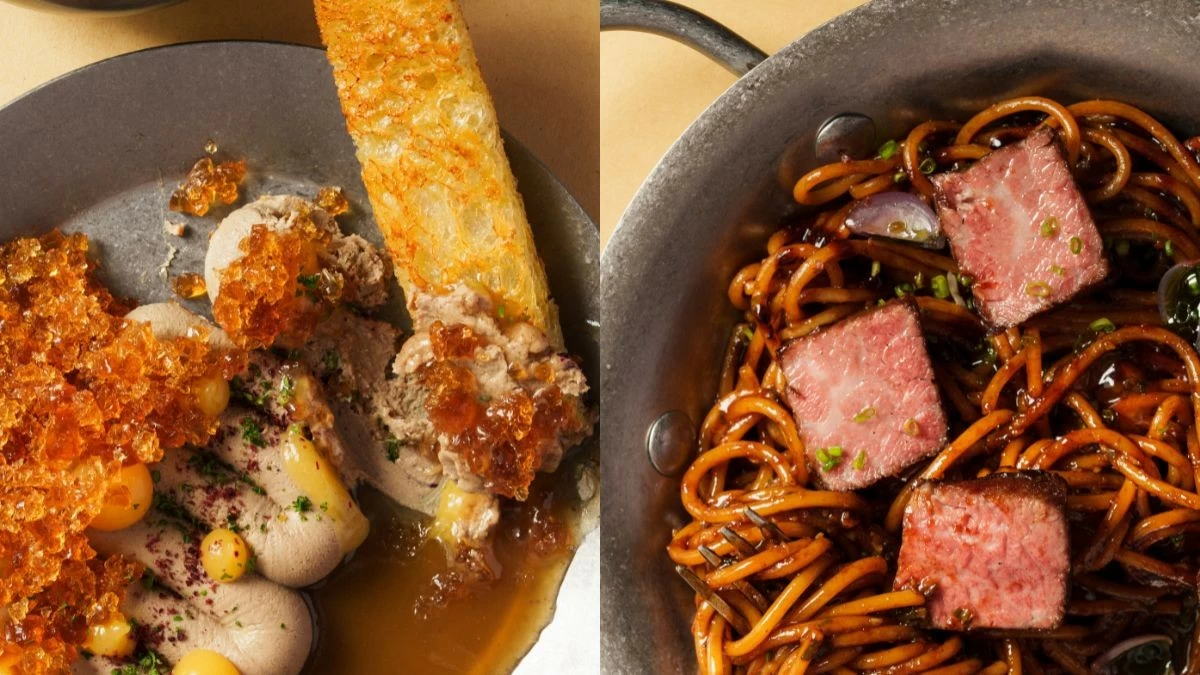
The meal opened playfully with potato chips topped with kiniing, paired with sparkling Cava before moving into a series of small plates that immediately established the restaurant’s approach. Siomai Nuggets arrived with house-made calamansi sour cream and chili garlic, while the delicate Puto Calasiao with Salted Egg combined steamed rice cakes with crab meat and a rich salted egg sauce.
Among the early standouts were two raw preparations. Hamachi Kinilaw stayed true to the bright acidity expected from the Filipino classic, while Salmon Tinapa paired fresh salmon and ikura with a lightly smoked pineapple foam that added another layer of flavor without overwhelming the fish.
(Photos: Pinoy Accent)
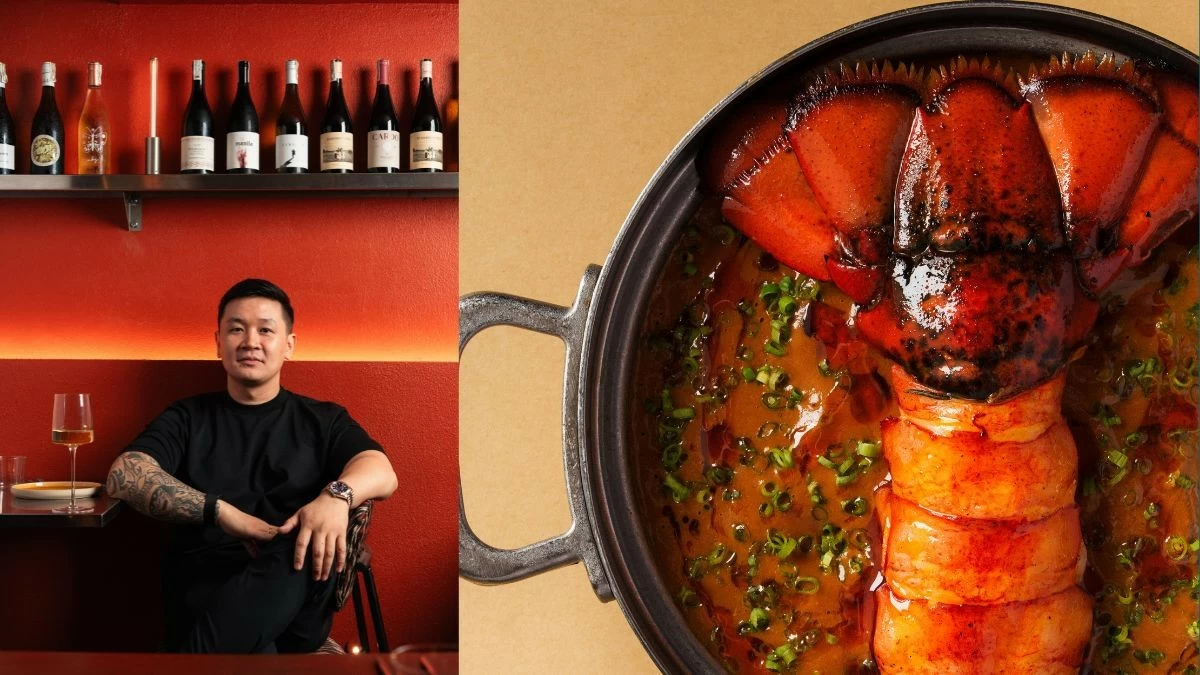
The pasta course continued that balance between comfort and creativity. The Bopis Pasta transformed the familiar offal dish into a rich ragù tossed with fresh pasta, finished with fondue and Gouda cheese. Meanwhile, the Lobster Luglog layered tinapa, prawn and lobster bisque foam into a dish that remained unmistakably Filipino despite its refined presentation.
For the main courses, Prawn Sarciado showcased plump prawns enriched by fragrant hibe oil, made even better when enjoyed with the restaurant’s house-made pandesal. The Wagyu Inihaw highlighted premium beef glazed with pepper barbecue sauce, accompanied by mustasa and pineapple ensalada and intended to be eaten taco-style.
Dessert returned diners to familiar territory. Sticky Langka Pudding paired with muscovado toyo ice cream offered a sweet-and-savory finish, while Pastillas Cheesecake and Espasol Tres Leches reimagined childhood favorites without losing their nostalgic appeal.
Throughout the meal, what stood out wasn’t novelty for novelty’s sake. Every dish remained rooted in flavors most Filipinos would instantly recognize. The difference lay in execution and presentation, allowing familiar ingredients to tell slightly different stories.
That same philosophy extends beyond the kitchen. Wine expert Ian Santos curated the restaurant’s beverage program around the defining characteristics of Filipino cuisine—richness, acidity and savoriness. Rather than treating wine as an afterthought, Santos approached each bottle as what he calls a “liquid condiment,” selecting labels meant to complement the flavors on the plate as naturally as another ingredient.
(Photos: Pinoy Accent)
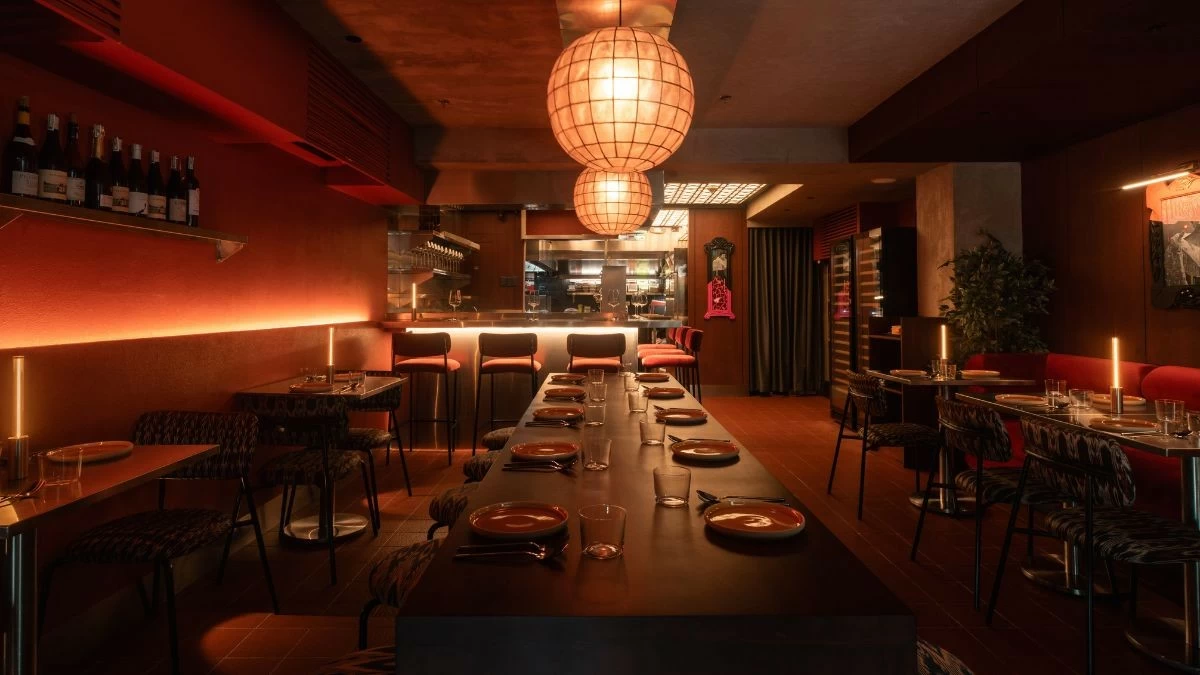
The dining room echoes the same contemporary interpretation of Filipino identity. Solihiya-inspired metal cutouts frame portions of the bar and open kitchen, while upholstery featuring t’nalak-inspired patterns adds texture throughout the restaurant. Paintings by Filipino artist Offemaria complete the interiors, resulting in a space that feels unmistakably local without relying on obvious visual clichés.
For Jorge, every element—from the menu and wine to the interiors—serves the same purpose.
“All of these elements come together with one goal: to create a dining experience where the familiar is still recognizable—but felt a little differently,” he said.
The analogy proves fitting. Like an accent, Filipino food doesn’t need to change to become interesting. Sometimes, a different expression is enough to make people listen a little more closely—or in this case, take another bite.

Related Tags

Jorge Mendez Quezon City Manila Bulletin Lifestyle Pinoy Accent
ADVERTISEMENT
.most-popular .layout-ratio{ padding-bottom: 79.13%; } @media (min-width: 768px) and (max-width: 1024px) { .widget-title { font-size: 15px !important; } }

{{ articles_filter_1561_widget.title }}

.most-popular .layout-ratio{ padding-bottom: 79.13%; } @media (min-width: 768px) and (max-width: 1024px) { .widget-title { font-size: 15px !important; } }

{{ static_articles_1562_widget.title }}

.most-popular .layout-ratio{ padding-bottom: 79.13%; } @media (min-width: 768px) and (max-width: 1024px) { .widget-title { font-size: 15px !important; } }

{{ articles_filter_1563_widget.title }}

{{ articles_filter_1564_widget.title }}

.mb-article-details { position: relative; } .mb-article-details .article-body-preview, .mb-article-details .article-body-summary{ font-size: 17px; line-height: 30px; font-family: "Libre Caslon Text", serif; color: #000; } .mb-article-details .article-body-preview iframe , .mb-article-details .article-body-summary iframe{ width: 100%; margin: auto; } .read-more-background { background: linear-gradient(180deg, color(display-p3 1.000 1.000 1.000 / 0) 13.75%, color(display-p3 1.000 1.000 1.000 / 0.8) 30.79%, color(display-p3 1.000 1.000 1.000) 72.5%); position: absolute; height: 200px; width: 100%; bottom: 0; display: flex; justify-content: center; align-items: center; padding: 0; } .read-more-background a{ color: #000; } .read-more-btn { padding: 17px 45px; font-family: Inter; font-weight: 700; font-size: 18px; line-height: 16px; text-align: center; vertical-align: middle; border: 1px solid black; background-color: white; } .hidden { display: none; }
function initializeAllSwipers() { // Get all hidden inputs with cms_article_id document.querySelectorAll('[id^="cms_article_id_"]').forEach(function (input) { const cmsArticleId = input.value; const articleSelector = '#article-' + cmsArticleId + ' .body_images'; const swiperElement = document.querySelector(articleSelector); if (swiperElement && !swiperElement.classList.contains('swiper-initialized')) { new Swiper(articleSelector, { loop: true, pagination: false, navigation: { nextEl: '#article-' + cmsArticleId + ' .swiper-button-next', prevEl: '#article-' + cmsArticleId + ' .swiper-button-prev', }, }); } }); } setTimeout(initializeAllSwipers, 3000); const intersectionObserver = new IntersectionObserver( (entries) => { entries.forEach((entry) => { if (entry.isIntersecting) { const newUrl = entry.target.getAttribute("data-url"); if (newUrl) { history.pushState(null, null, newUrl); let article = entry.target; // Extract metadata const author = article.querySelector('.author-section').textContent.replace('By', '').trim(); const section = article.querySelector('.section-info ').textContent.replace(' ', ' '); const title = article.querySelector('.article-title h1').textContent; // Parse URL for Chartbeat path format const parsedUrl = new URL(newUrl, window.location.origin); const cleanUrl = parsedUrl.host + parsedUrl.pathname; // Update Chartbeat configuration if (typeof window._sf_async_config !== 'undefined') { window._sf_async_config.path = cleanUrl; window._sf_async_config.sections = section; window._sf_async_config.authors = author; } // Track virtual page view with Chartbeat if (typeof pSUPERFLY !== 'undefined' && typeof pSUPERFLY.virtualPage === 'function') { try { pSUPERFLY.virtualPage({ path: cleanUrl, title: title, sections: section, authors: author }); } catch (error) { console.error('ping error', error); } } // Optional: Update document title if (title && title !== document.title) { document.title = title; } } } }); }, { threshold: 0.1 } ); function showArticleBody(button) { const article = button.closest("article"); const summary = article.querySelector(".article-body-summary"); const body = article.querySelector(".article-body-preview"); const readMoreSection = article.querySelector(".read-more-background"); // Hide summary and read-more section summary.style.display = "none"; readMoreSection.style.display = "none"; // Show the full article body body.classList.remove("hidden"); } document.addEventListener("DOMContentLoaded", () => { let loadCount = 0; // Track how many times articles are loaded const offset = [1, 2, 3, 4, 5, 6, 7, 8, 9, 10]; // Offset values const currentUrl = window.location.pathname.substring(1); let isLoading = false; // Prevent multiple calls if (!currentUrl) { console.log("Current URL is invalid."); return; } const sentinel = document.getElementById("load-more-sentinel"); if (!sentinel) { console.log("Sentinel element not found."); return; } function isSentinelVisible() { const rect = sentinel.getBoundingClientRect(); return ( rect.top < window.innerHeight && rect.bottom >= 0 ); } function onScroll() { if (isLoading) return; if (isSentinelVisible()) { if (loadCount >= offset.length) { console.log("Maximum load attempts reached."); window.removeEventListener("scroll", onScroll); return; } isLoading = true; const currentOffset = offset[loadCount]; window.loadMoreItems().then(() => { let article = document.querySelector('#widget_1690 > div:nth-last-of-type(2) article'); intersectionObserver.observe(article) loadCount++; }).catch(error => { console.error("Error loading more items:", error); }).finally(() => { isLoading = false; }); } } window.addEventListener("scroll", onScroll); });

Sign up by email to receive news.